
Image: BBC Business
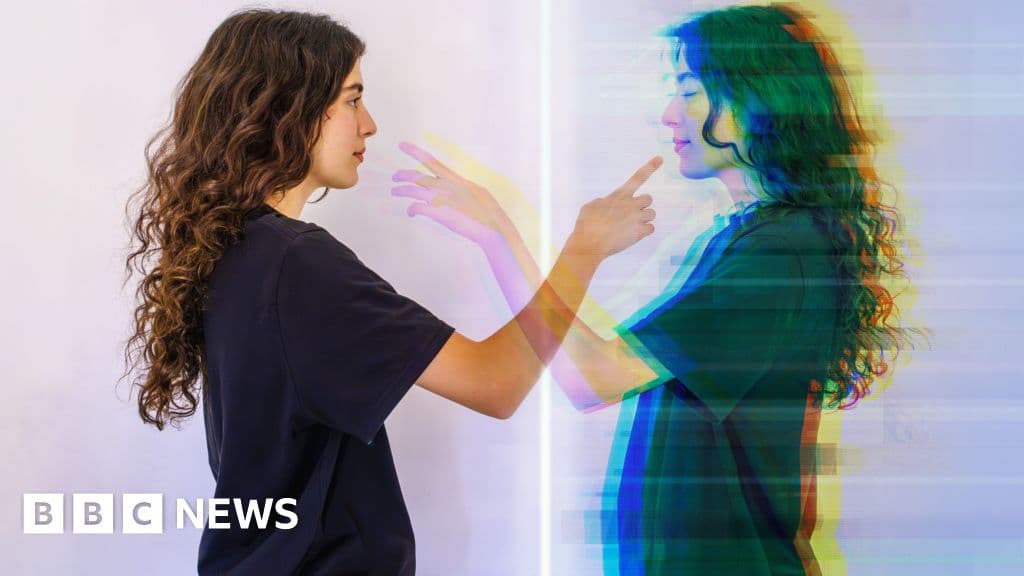
Discover how digital twins like 'Digital Richard' are transforming workplaces. Learn about ownership, compensation, and the future of work in AI.
GlipzoDigital Richard is built upon a small language model that utilizes ChatGPT technology to analyze and digest a myriad of data sources, including meetings, documents, and presentations. This sophisticated AI model has been tailored to emulate Skellett's unique approach to problem-solving, allowing him to consult Digital Richard for both business-related queries and personal matters. With dedicated tabs for family and admin, Skellett ensures that his colleagues can access Digital Richard primarily for work-related information.
Some notable applications of these digital twins include: - Phased Retirement: An analyst approaching retirement has utilized their digital twin to gradually transfer workload responsibilities. - Temporary Absences: When a marketing team member went on maternity leave, their digital twin seamlessly took over their duties, negating the need for a temporary hire. - Standard Offering: Bloor Research has made the Digital Me program a standard offering for all new employees, signifying a commitment to integrating this technology company-wide. As the demand for digital twins grows, more than 20 companies are currently testing this innovative technology, with plans for broader implementation later this year. Skellett emphasizes the necessity of adopting a digital twin in today's competitive environment, stating, "In this environment, having a Digital Me is not optional if you want to operate effectively. It becomes part of how you work."
However, the rise of digital twins brings forth a slew of ethical and practical questions: - Ownership: Who retains ownership of the digital twin—the employer or the employee? - Compensation: Should employees receive higher pay for leveraging their digital twins, which enhance productivity? - Access: What level of access should employers have to an employee's digital twin? - Liability: Who is accountable if a digital twin makes an error?
Kaelyn Lowmaster, a research director at Gartner, highlights the importance of addressing these questions. She cautions that while digital twins present significant opportunities, the potential challenges will likely surface before the benefits become apparent. "There are real potential benefits for sure, but it depends on getting the governance right... and making sure that my name, image and likeness still stays mine, even if my employer is benefiting from it," she notes.
This approach aligns with the company's compensation structure, which prioritizes measurable commercial impacts over traditional salary models. Skellett states, "AI changes time and speed, so there's little future in the hourly rate."
As digital twins gain traction, businesses must navigate the complexities associated with this technology. The discussions around ownership, ethical implications, and compensation models will shape the future of work as more organizations adopt these digital solutions. Moving forward, stakeholders should prioritize creating frameworks that protect individual rights while maximizing the benefits of digital twins.
In the coming months, keep an eye on how companies implement these digital solutions and how they navigate the associated challenges. The evolution of digital twins could redefine the workforce, making it imperative for organizations to adapt and thrive in this new landscape.
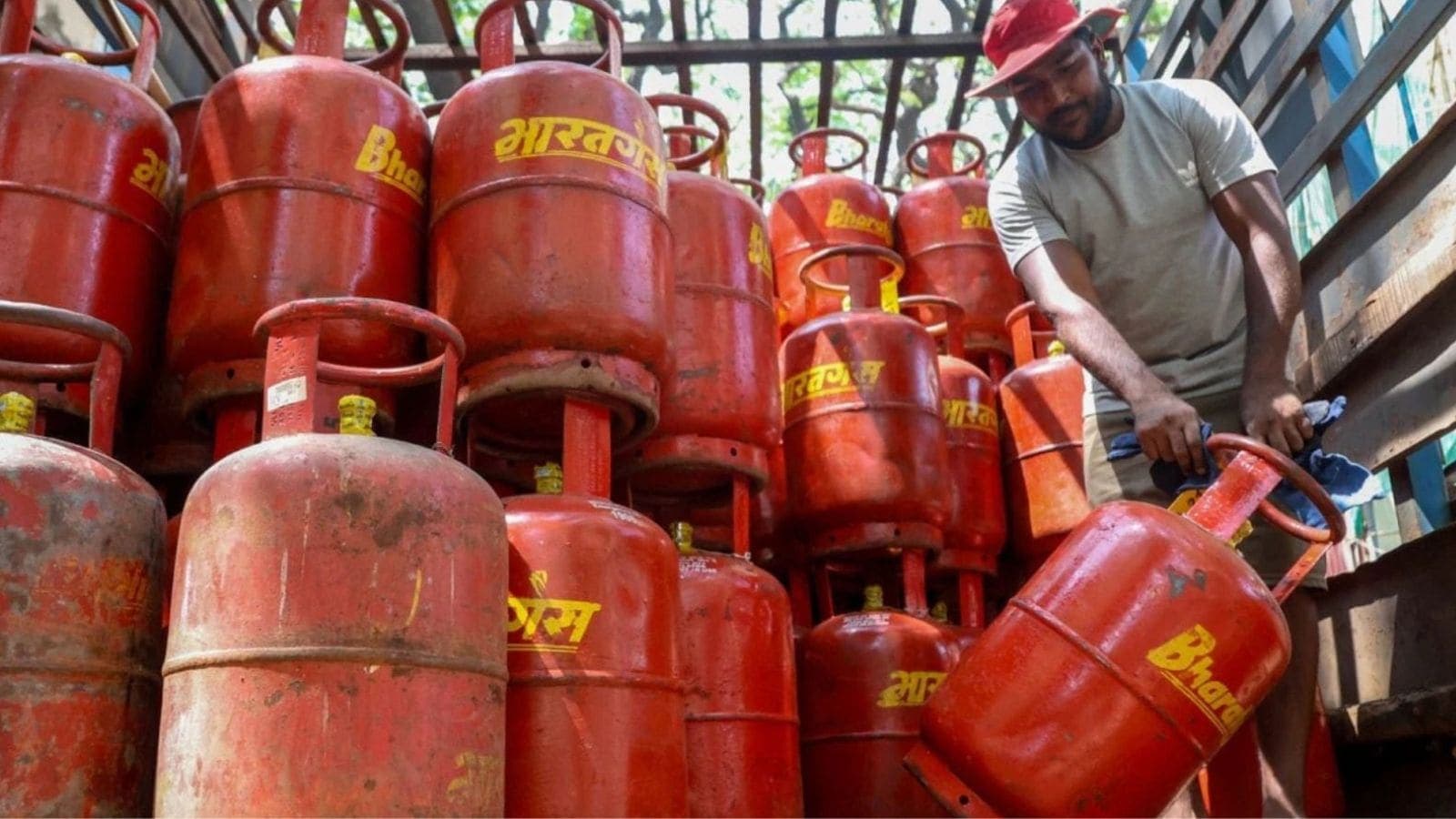
Commercial LPG prices have risen again, with increases of ₹42 in Delhi and ₹53.50 in Kolkata impacting businesses and consumers alike. Find out more.
Indian Express
Discover how a tragic coal mine explosion in Shanxi, China, reveals ongoing safety concerns in the industry amidst a push for green energy.
BBC Business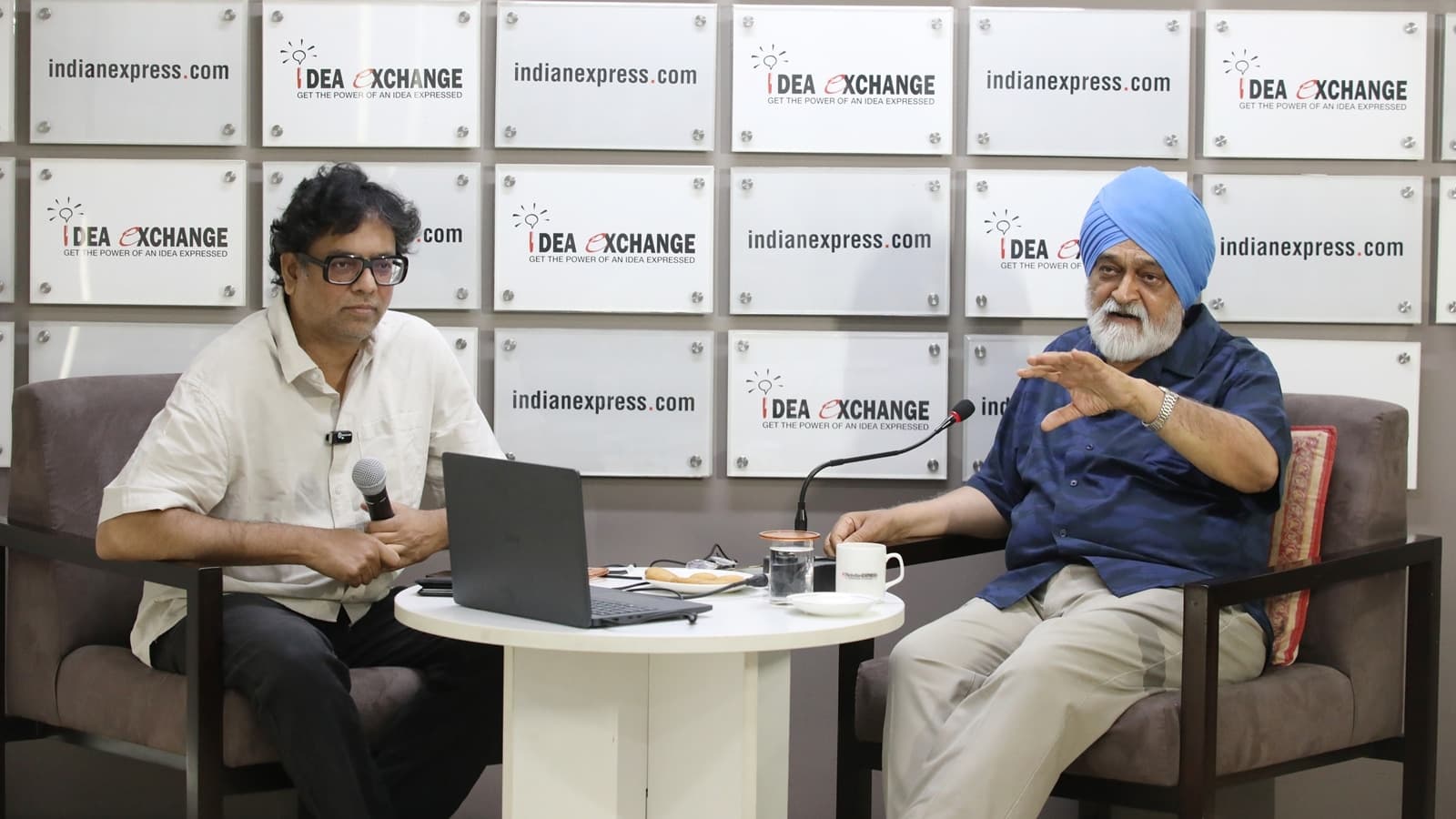
Montek Singh Ahluwalia highlights key economic challenges for India, emphasizing the need for a strategic approach to balance payments and investment.
Indian Express