
Image: BBC Health
Discover how a new injectable form of Keytruda could drastically reduce hospital time for NHS cancer patients, enhancing their treatment experience.
GlipzoA groundbreaking injectable version of the cancer treatment Keytruda is set to revolutionize the experience for thousands of NHS patients across the UK. As of this week, patients can look forward to significantly reduced hospital time, with the new injection expected to replace the lengthy intravenous infusion method that has been standard since 2015. This shift not only aims to enhance patient comfort but also to optimize hospital resources, making cancer care more efficient than ever.
Keytruda, also known by its generic name pembrolizumab, is a powerful immunotherapy drug that empowers the body’s immune system to combat cancer cells. Previously administered through a drip, the infusion process could extend beyond an hour, causing inconvenience and fatigue for patients. However, with the introduction of this new injectable form, the administration time is drastically reduced to just a couple of minutes.
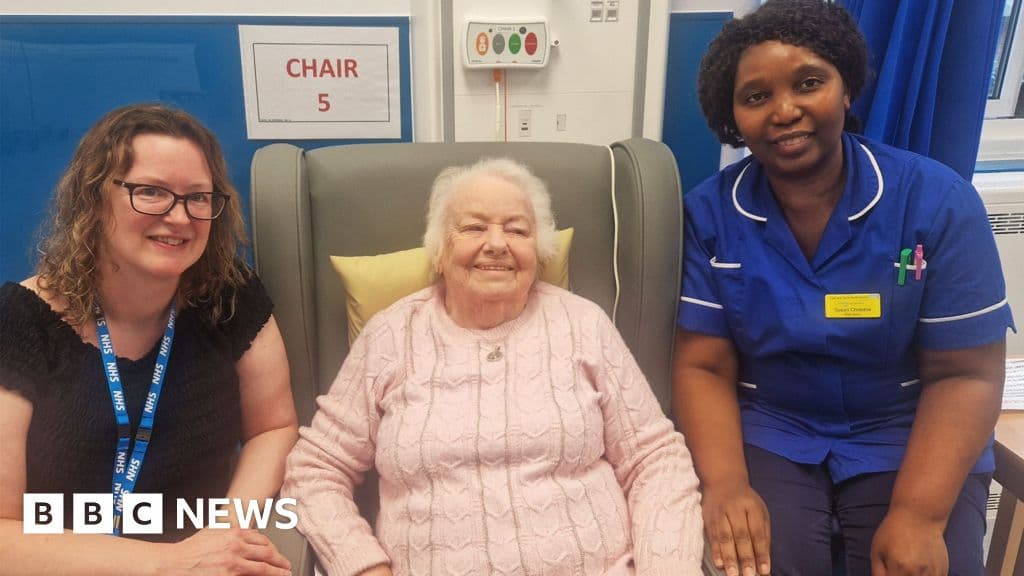
One of the first recipients of this innovative jab was Shirley Xerxes, an 86-year-old from St Albans, Hertfordshire. At the Mount Vernon Cancer Centre near Watford, she experienced the difference first-hand. "I was in the chair for a matter of minutes instead of an hour or more. It's made such a difference and gives me more time to live my life, including spending more time gardening," she shared, highlighting the emotional and practical benefits of this new treatment.
Approximately 14,000 cancer patients in England initiate treatment with Keytruda annually, and many of these individuals are anticipated to transition to the injectable version. Currently, this versatile drug is utilized to treat 14 different types of cancer, including lung, head, neck, cervical, and breast cancers.
The new injectable form of Keytruda offers flexibility in its administration schedule, allowing patients to receive treatment every three weeks with a one-minute injection or every six weeks with a two-minute injection, depending on their specific cancer type. This advancement is particularly significant as it presents an opportunity for healthcare providers to optimize treatment delivery and patient care.
Keytruda is not alone in this shift; it is the third immunotherapy drug to be administered via injection in NHS facilities. The introduction of this jab follows the rollout of Opdivo (nivolumab) in select hospitals last year, further emphasizing the trend toward more patient-friendly cancer therapies.
Cancer cells have a clever way of evading the immune system by producing certain proteins that signal immune cells to refrain from attacking. Some researchers have referred to this phenomenon as cancer hiding behind an "invisibility cloak." Immunotherapy, like Keytruda, works by disrupting this signal, making it easier for the immune system to identify and destroy cancer cells.
The groundbreaking nature of immunotherapy was recognized with the Nobel Prize for Medicine in 2018, awarded to scientists James Allison and Tasuku Honjo for their contributions to this field. Keytruda was among the first immunotherapy agents approved, initially for skin cancer and later for various other malignancies, cementing its status as a crucial tool in cancer treatment.
Despite its success, the financial details surrounding the NHS's deal with Merck Sharp & Dohme (MSD), the manufacturer of Keytruda, remain undisclosed. However, it is believed that the NHS will incur similar costs for both the intravenous and injectable forms of the drug. Keytruda has generated an astounding $180 billion in sales globally since its launch, marking it as one of the most lucrative pharmaceutical products in history.
As the patents protecting Keytruda are set to expire between 2028 in the US and 2031 in Europe, there is potential for generic alternatives to emerge, which could lower costs and expand access for patients. However, critics, including Democratic Senator Elizabeth Warren, have raised concerns that MSD’s introduction of the injectable version may be a strategic move to maintain market dominance and shield the drug from competition.
The transition to an injectable form of Keytruda represents a significant milestone in cancer treatment, both in terms of patient care and hospital efficiency. Prof Peter Johnson, NHS England’s national clinical director for cancer, emphasized the importance of this change, stating, "If we can do this in a much shorter period of time, it frees up space in our chemotherapy units and means we can start thinking about giving treatment in the community and away from hospitals."
As this new treatment option rolls out, it will be crucial to monitor its impact on patient outcomes and the overall healthcare system. The integration of such innovative therapies may pave the way for a more proactive approach to cancer care, enhancing the quality of life for patients while potentially reshaping the landscape of oncology.
The introduction of the injectable Keytruda is more than just a medical advancement; it represents a shift towards patient-centered care in the NHS. With the potential to lessen hospital visits and improve treatment experiences, this development could redefine how cancer patients navigate their treatment journeys, giving them more time and energy to focus on their lives outside of medical facilities.
In conclusion, the future of cancer treatment looks promising, and developments like these highlight the ongoing commitment to improving health outcomes for patients worldwide.

Shocking findings from Nottingham's maternity unit reveal a toxic culture and alarming neglect. What can be done to improve care? Discover the details.
BBC Health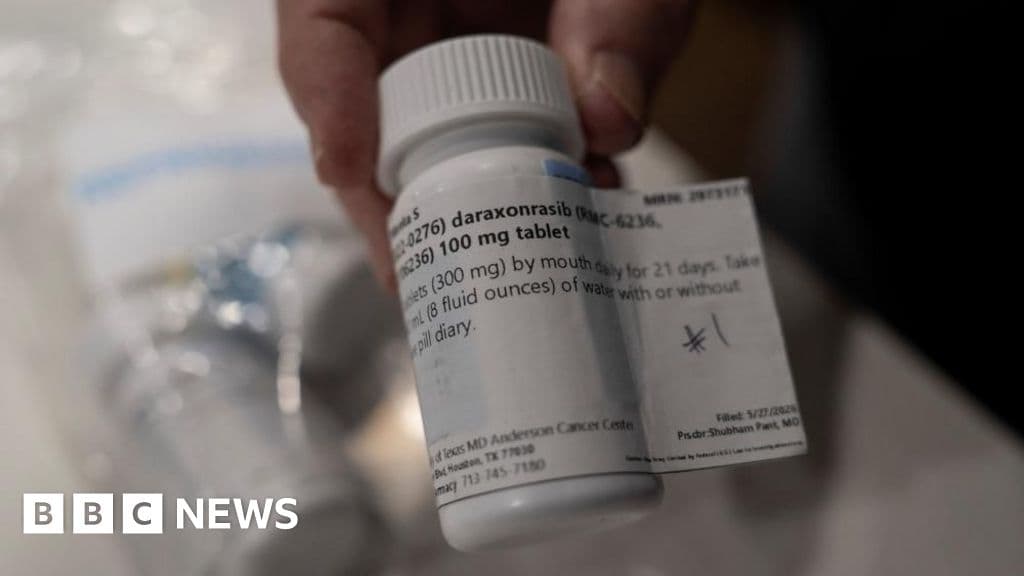
Discover how daraxonrasib, a new pill, is nearly doubling survival rates for pancreatic cancer patients, offering hope in a challenging battle against this deadly disease.
BBC Health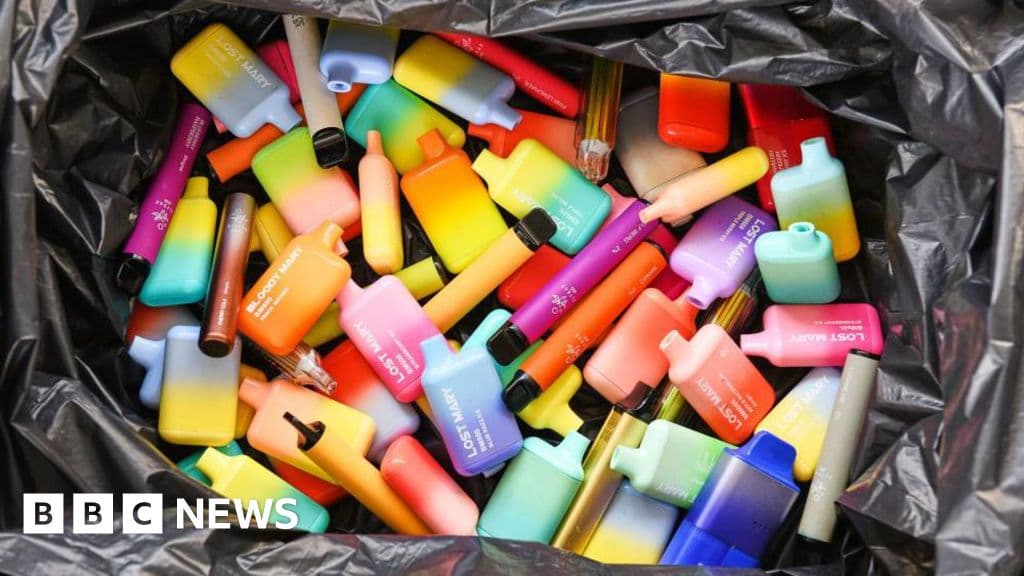
Waste companies propose a £5 deposit on vapes to encourage proper disposal and curb littering as the environmental impact of vapes increases.
BBC Business