

Image: Wired
Explore how food-tracking apps transformed my understanding of nutrition and meal planning, offering insights and accountability for healthier living.
GlipzoAs a mother of three, maintaining a balanced diet while juggling family responsibilities can be challenging. Tracking meals and hydration often slips through the cracks of my busy schedule. However, I found that the recent surge of food-tracking applications, enhanced by artificial intelligence and computer vision, can fill those gaps and guide me toward a healthier lifestyle.
Having explored several apps, including BitePal, Hoot, Lose It!, and MyFitnessPal, I aimed to uncover not just the features but also the insights these tools offer. To deepen my understanding, I consulted nutrition experts about the advantages and limitations of using food trackers in daily life.
According to Meridan Zerner, a registered dietitian based in Dallas, Texas, food-tracking apps play a vital role in increasing our awareness of what we consume. “We’re busy humans,” Zerner explains. “Taking a moment to reflect on my eating habits helps me to be intentional about my choices.” She noted that many users underestimate their food intake by 20% to 50%, making these apps particularly useful for fostering accountability.
By utilizing these apps, users can identify nutritional gaps. For instance, if I notice that my fiber or iron intake is lacking, I can adjust my meals accordingly for the next day. This feedback loop is essential for making informed dietary decisions and helps to promote healthier habits.
To get started with these apps, I was required to input some basic information, including my height, weight, and dietary goals. Each application had its own unique approach to tracking, promising to assist with weight loss, maintenance, or even weight gain based on these goals.
While some apps offer free basic logging features, others charge an annual fee, typically around $35, for fundamental functionalities. More advanced features, such as nutrient tracking and personalized coaching, could push costs up to $80 per year.
Upon entering my personal data, the apps calculated my daily caloric needs. However, I quickly discovered that the recommendations varied significantly across different platforms, leading to confusion about my actual caloric requirements.
Zerner points out that calorie recommendations from these apps are based on equations that do not always account for unique individual factors, such as hormones, bone density, and genetics. “That’s why checking in with a registered dietitian can be advantageous,” she says. “Dietitians can conduct a resting metabolic rate test to provide precise insights into your calorie needs.”
As I continued using the apps, I logged my meals and snacks, receiving detailed feedback on my consumption. Each application tracked my total caloric intake, protein levels, fiber amounts, and remaining calories for the day.
Some apps utilized AI technology that allowed me to take a photo of my meals for calorie estimation. While this feature seemed convenient, the accuracy varied widely among apps. For instance, one app estimated a Mediterranean bowl at 1,000 calories, while another app provided a considerably higher estimate. This inconsistency required me to verify ingredients and adjust the calorie counts manually.
Beyond calorie counting, food-tracking apps also serve as a learning tool for assessing the nutritional quality of our diets. “Am I eating at consistent times, and am I ensuring I’m not depriving myself?” asks Adee Levinstein, a registered dietitian. This mindfulness is crucial for building a sustainable and healthy relationship with food.
In a world where busy lifestyles often compromise our nutritional habits, food-tracking apps serve as a valuable resource for anyone striving to improve their eating patterns. They provide not just a record of what we consume, but also insights into our nutritional needs. For many, including myself, these tools have sparked a newfound awareness of dietary habits and encouraged healthier choices.
As technology advances, it’s likely that food-tracking apps will continue to evolve, incorporating more sophisticated AI capabilities and personalized features. Moving forward, users should be aware of the limitations of app-based tracking and consider consulting with healthcare professionals to complement their dietary journeys.
In summary, food-tracking apps have proven to be more than just digital diaries; they have the potential to revolutionize how we perceive and manage our nutrition, making them indispensable tools for achieving a healthier lifestyle. What will you discover about your own eating habits with these innovative technologies?

Shocking findings from Nottingham's maternity unit reveal a toxic culture and alarming neglect. What can be done to improve care? Discover the details.
BBC Health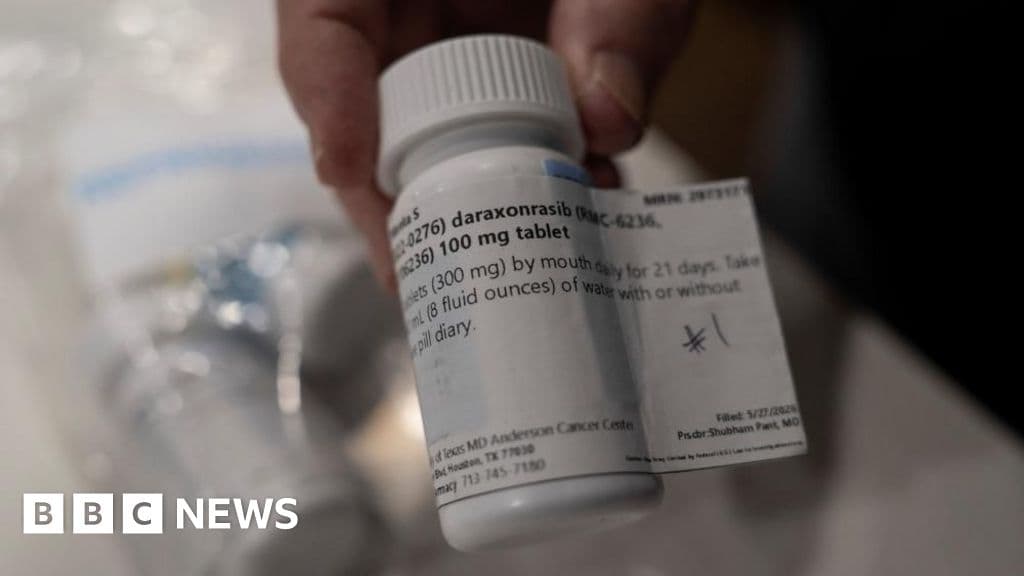
Discover how daraxonrasib, a new pill, is nearly doubling survival rates for pancreatic cancer patients, offering hope in a challenging battle against this deadly disease.
BBC Health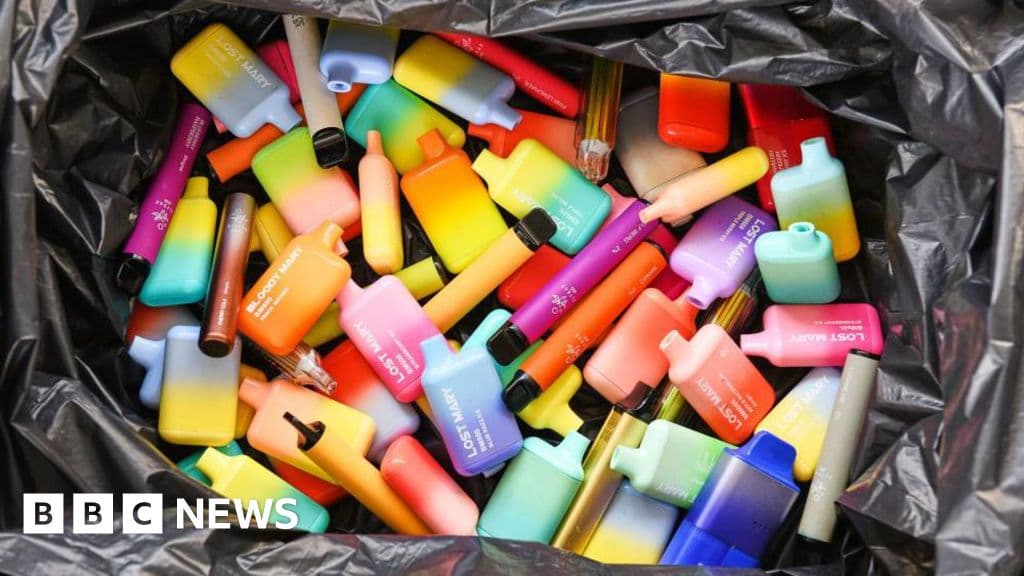
Waste companies propose a £5 deposit on vapes to encourage proper disposal and curb littering as the environmental impact of vapes increases.
BBC Business