

Image: The Verge
Discover how fitness trackers are becoming vital tools for managing chronic illnesses like long Covid and POTS, helping individuals regain control of their health.
GlipzoIn a fascinating trend, individuals with chronic conditions are finding innovative ways to manage their health through technology. Fitness trackers, once viewed primarily as tools for enhancing athletic performance, are now being utilized by many facing long-term health challenges, such as long Covid and postural orthostatic tachycardia syndrome (POTS). The journey of one individual exemplifies how these devices can serve as a lifeline in navigating the complexities of chronic illness.
In January 2023, a sunny day in New York City turned into a wake-up call for a 34-year-old who was enjoying a leisurely bike ride with a friend. Feeling energetic and confident after covering over 40 miles, everything changed abruptly. About 15 minutes from home, the individual experienced a sudden crash, leading to overwhelming fatigue and confusion. “I think I need to stop,” they said, realizing that their body was not responding as expected. Despite resting and hydrating, the symptoms persisted, leaving them bedridden for the next day. This incident highlighted the unpredictable nature of chronic illness and the necessity for effective management strategies.
Fast forward three years, and the same individual now reports a significant reduction in such debilitating crashes. Living with long Covid, POTS, and mast cell activation syndrome, they have learned to navigate their health challenges with greater skill. This transformation, they credit in part to the use of fitness trackers, which they describe as their secret weapon. Instead of pushing their limits, they employ these devices for a technique known as pacing.
Pacing is an energy management strategy, essential for those with conditions that limit physical capabilities. It involves balancing periods of activity with adequate rest to prevent fatigue and symptom exacerbation. The careful management of daily tasks allows individuals to avoid the cycle of overexertion and subsequent crashes. According to Raouf Gharbo, an osteopath specializing in rehabilitation, pacing can be likened to the spoon theory. This theory posits that energy levels are finite; individuals must budget their energy wisely throughout the day to avoid depletion.
Pacing is not just about reducing activity; it's about being strategic and thoughtful in how one navigates daily responsibilities. Here are some key points about the advantages of using fitness trackers for pacing: - Monitoring Activity Levels: Trackers help users gauge their daily activities and energy expenditure, allowing them to adjust their routines accordingly. - Setting Boundaries: By tracking their physical limits, individuals can create a more sustainable lifestyle that honors their health needs. - Improving Predictability: With consistent monitoring, those with chronic illnesses can better predict when they are likely to experience fatigue, enabling them to plan rest periods effectively. - Encouraging Mindfulness: Fitness trackers promote a deeper awareness of one’s body, encouraging individuals to listen to their physical needs rather than pushing through pain.
Despite the benefits, mastering the art of pacing can be challenging. Individuals often face difficulties in recognizing their limits and adhering to self-imposed restrictions. As one might expect, it requires practice and a willingness to adapt.
The story of using fitness trackers to manage chronic illness sheds light on a critical intersection between technology and health care. As more people become aware of the potential benefits of these devices, the conversation around chronic illness management is changing. The use of technology for health monitoring not only empowers individuals but also encourages a broader understanding of chronic conditions and the diverse strategies available for managing them.
While fitness trackers provide valuable insights, they are not a replacement for medical advice or treatment. Instead, they serve as a complementary tool to medical care, helping patients gain a sense of control over their conditions. As telehealth and remote patient monitoring continue to evolve, the role of technology in chronic illness management will likely expand further.
As the health landscape continues to shift, the integration of fitness technology into everyday health management is poised for growth. Patients with chronic conditions are likely to benefit from advances in fitness tracker technology, leading to more personalized and effective management strategies. The ongoing development of health-focused applications and devices will play a crucial role in this evolution.
In conclusion, while fitness trackers are not a cure-all, they represent a significant step forward in how individuals with chronic illnesses can take charge of their health. As technology continues to advance, it will be essential to watch for new innovations that empower patients and enhance their quality of life.
This journey highlights the resilience of those living with chronic conditions and their ability to find hope and support through innovative solutions. Stay tuned for more developments in this area as the future unfolds.

Shocking findings from Nottingham's maternity unit reveal a toxic culture and alarming neglect. What can be done to improve care? Discover the details.
BBC Health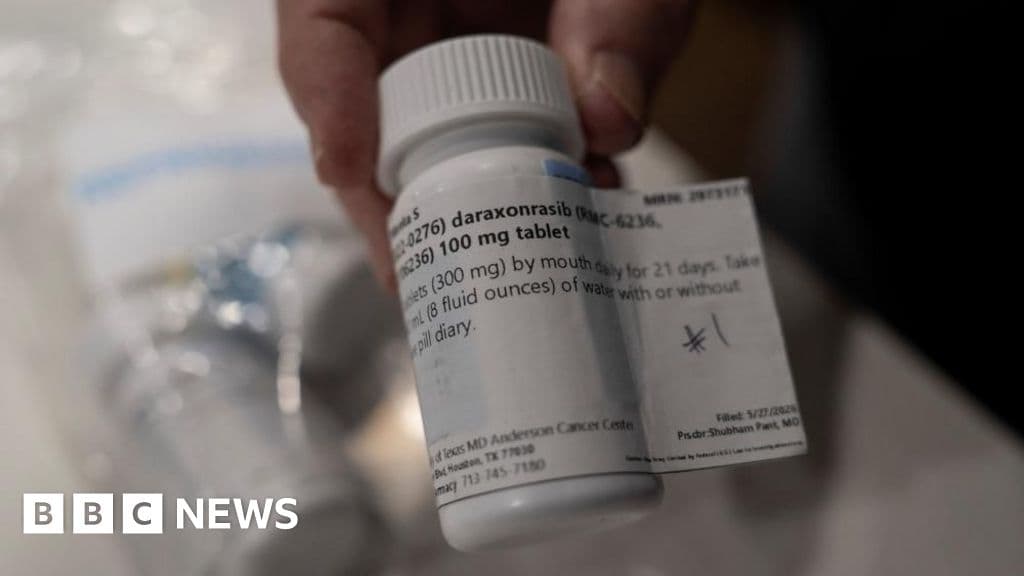
Discover how daraxonrasib, a new pill, is nearly doubling survival rates for pancreatic cancer patients, offering hope in a challenging battle against this deadly disease.
BBC Health
Waste companies propose a £5 deposit on vapes to encourage proper disposal and curb littering as the environmental impact of vapes increases.
BBC Business