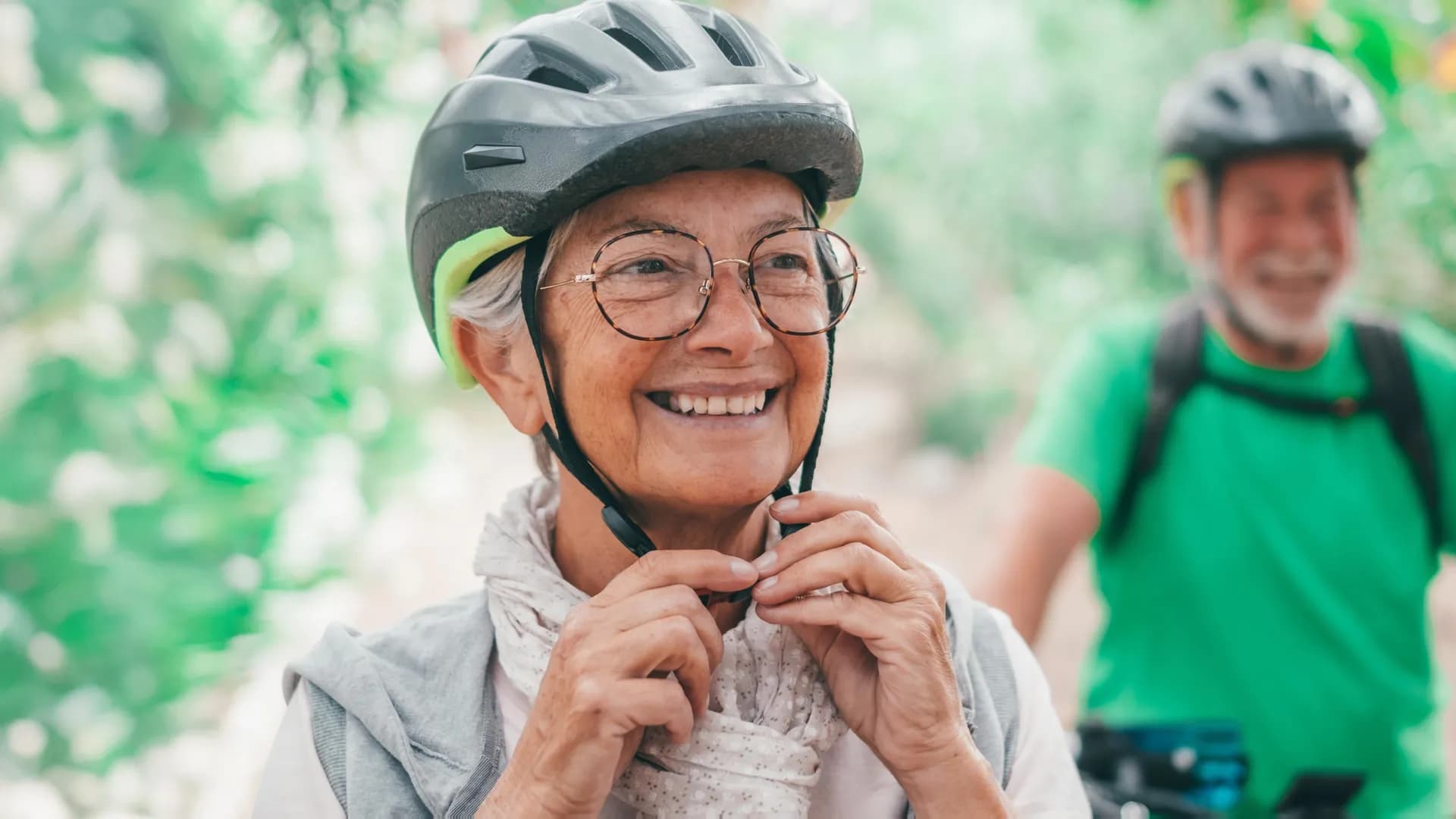
Discover how cycling can significantly enhance seniors' health and independence, based on groundbreaking research from Japan. What does this mean for aging populations?
Cycling: A Lifeline for Seniors in Japan
In **Japan**, a unique trend among older adults has emerged: many rely on bicycles for their daily transportation needs. This practice is notably more prevalent than in **Europe** or the **United States**, where seniors tend to favor other means of mobility. Previous studies have indicated a strong correlation between cycling, increased physical activity, and enhanced social engagement among older individuals. However, the specific long-term benefits of cycling for seniors in Japan had not been thoroughly examined until now.
A recent study set out to fill this gap by investigating the cycling habits of older adults. The researchers focused on two primary areas: first, they assessed the frequency of cycling among participants in 2013 and tracked their health outcomes over the next ten years until 2023. Second, they analyzed shifts in cycling behavior from 2013 to 2017, including patterns of nonuse, initiation, interruption, and continuation, to see how these behaviors impacted long-term health outcomes.
Key Findings: Reduced Health Risks for Cyclists
The outcomes of this comprehensive study revealed significant findings. **Older adults** who cycled in **2013** exhibited a notably lower risk of requiring long-term care and a reduced mortality rate over the subsequent decade compared to their non-cycling counterparts. This trend was particularly evident among individuals who did not drive, emphasizing cycling's protective effects on health.
Benefits of Continued Cycling
The analysis also explored the implications of maintaining cycling habits over time. Seniors who consistently cycled between **2013** and **2017** showed even more pronounced benefits, experiencing a decreased likelihood of needing long-term care or facing early death in the years that followed. Among the non-drivers, the results were even more striking: those who either continued or began cycling during the analyzed period were less likely to require long-term care as they aged.
Cycling as a Vital Component of Healthy Aging
The collective findings from this research suggest that cycling is not merely a mode of transportation for older adults; it serves as a vital component of their physical and mental well-being. By promoting healthier aging, cycling helps seniors maintain their independence and extend their lives. The researchers aptly refer to cycling as a "lifestyle companion," especially crucial for those who have relinquished their driving privileges.
The Importance of Social Support
This study underscores a growing need for enhanced social support systems to encourage cycling among seniors. As the number of older adults in Japan who are giving up their driver's licenses continues to rise, fostering a culture that promotes cycling can be instrumental in ensuring that seniors remain active, engaged, and healthy.
Why It Matters: A Blueprint for Aging Populations
The implications of these findings extend beyond Japan. As populations around the world age, understanding the factors that contribute to healthy longevity becomes increasingly critical. Cycling, as indicated by this study, offers a simple yet effective solution to combat the challenges posed by aging. Here are a few reasons why this research is particularly significant:
- **Promotes independence**: Cycling allows seniors to navigate their communities without relying on others, enhancing their sense of autonomy.
- **Encourages social interactions**: Riding bicycles can lead to more social engagements, reducing feelings of loneliness and isolation often experienced by older adults.
- **Supports physical health**: Regular cycling helps maintain physical fitness, which is essential for preventing chronic illnesses.
- **Reduces healthcare costs**: By decreasing the need for long-term care, cycling can lessen the financial burden on healthcare systems.
Looking Ahead: The Future of Senior Mobility
As we reflect on these findings, the future of senior mobility presents both challenges and opportunities. Policymakers and community leaders should take note of the positive impact cycling can have on the aging population. Initiatives such as improved bike lanes, community cycling programs, and educational campaigns could help facilitate this healthy lifestyle choice.
In conclusion, cycling emerges as a powerful tool in promoting longevity and independence among seniors. As we continue to explore ways to enhance the quality of life for older adults, encouraging cycling could be a critical step toward healthier aging in both Japan and beyond. The next decade will likely reveal even more insights about the intersection of cycling, health, and aging, making it an area to watch closely.