

Image: BBC Health
Gonorrhoea and syphilis cases have surged to record levels in Europe as reported by the ECDC. Discover the alarming stats and health implications.
GlipzoSexually transmitted infections (STIs) are on the rise across Europe, with gonorrhoea and syphilis reaching unprecedented levels in 2024. According to the latest report from the European Centre for Disease Prevention and Control (ECDC), these infections have surged to their highest rates in over a decade, raising alarms about public health in the region.
The ECDC's report reveals that gonorrhoea cases have skyrocketed to 106,331, marking an astonishing 303% increase since 2015. Meanwhile, syphilis cases have more than doubled over the same period, rising to 45,557 confirmed instances. These statistics highlight a troubling trend that demands immediate attention from health authorities and the public alike.
Bruno Ciancio, head of the ECDC's Directly Transmitted and Vaccine-Preventable Diseases unit, emphasized the need for urgent action, stating that “widening gaps in testing and prevention” are contributing to the surge in infections. He warned of the severe complications these diseases can cause, including chronic pain, infertility, and serious health issues such as heart problems or nervous system damage, particularly in cases of syphilis.
A concerning aspect of this outbreak is the rise in congenital syphilis cases, where the infection is transmitted from mother to newborn during pregnancy. Ciancio noted that these cases have nearly doubled from 2023 to 2024, leading to potentially lifelong complications for affected infants. This alarming trend underscores the critical need for enhanced screening and treatment strategies.
To mitigate the risks associated with STIs, health experts advocate for straightforward preventive measures: - Use condoms with new or multiple sexual partners. - Get tested if experiencing symptoms or if you suspect exposure.
Among European countries, Spain reported the highest number of gonorrhoea and syphilis cases in 2024, with 37,169 and 11,556 confirmed cases, respectively. This data indicates a pressing public health challenge in Spain, which may require targeted intervention strategies.
The ECDC also highlighted that men who have sex with men represent the most disproportionately affected demographic, showing the steepest long-term increases in both infections. However, there has also been a significant rise in syphilis cases among heterosexual women of reproductive age, indicating that the issue is widespread and affecting various groups.
Interestingly, while gonorrhoea and syphilis cases are on the rise, reports indicate that chlamydia, the most commonly reported bacterial infection, has decreased by 6% since 2015, with 213,443 reported cases. This decline may suggest shifts in public awareness and preventive measures, although it is overshadowed by the alarming increases in other STIs.
The UK, which has not participated in ECDC research since Brexit, reported its own figures for England in December. According to the UK Health Security Agency, there were 71,802 gonorrhoea cases and 9,535 syphilis cases in England for the year 2024, alongside 168,889 diagnoses of chlamydia. Notably, the UK implemented a gonorrhoea vaccine rollout in 2025 after witnessing a record 85,000 cases in 2023.
Recognizing the symptoms of gonorrhoea and syphilis is crucial for early detection and treatment. Common symptoms of gonorrhoea may include: - Pain during urination - Unusual discharge from the genitals - Inflammation of the genitals
It's important to note that many individuals may not exhibit any symptoms, making regular testing essential. The NHS advises that proper condom use and vaccination, when available, can effectively reduce the risk of contracting these STIs.
Similarly, syphilis symptoms often manifest as: - Sores around the genitals and mouth - Rash on the hands - Hair loss - Flu-like symptoms
These signs can be subtle and may come and go, complicating early diagnosis and treatment. Health experts stress that both gonorrhoea and syphilis can lead to serious complications if left untreated, further underscoring the importance of awareness and preventive measures.
The rising rates of gonorrhoea and syphilis in Europe represent a significant public health concern that cannot be ignored. The implications of untreated STIs extend beyond individual health, potentially affecting communities and future generations through congenital cases and increased healthcare costs.
As health authorities work to address this growing crisis, several key areas warrant attention: - Enhanced testing and treatment programs, particularly for at-risk populations. - Increased public awareness campaigns to educate individuals on STI prevention and symptoms. - Continued monitoring of infection rates and effectiveness of vaccination programs.
In conclusion, the recent spike in gonorrhoea and syphilis cases in Europe serves as a stark reminder of the ongoing challenges in public health. By prioritizing education, prevention, and treatment, we can work together to reverse these trends and protect future generations from the consequences of STIs.

Shocking findings from Nottingham's maternity unit reveal a toxic culture and alarming neglect. What can be done to improve care? Discover the details.
BBC Health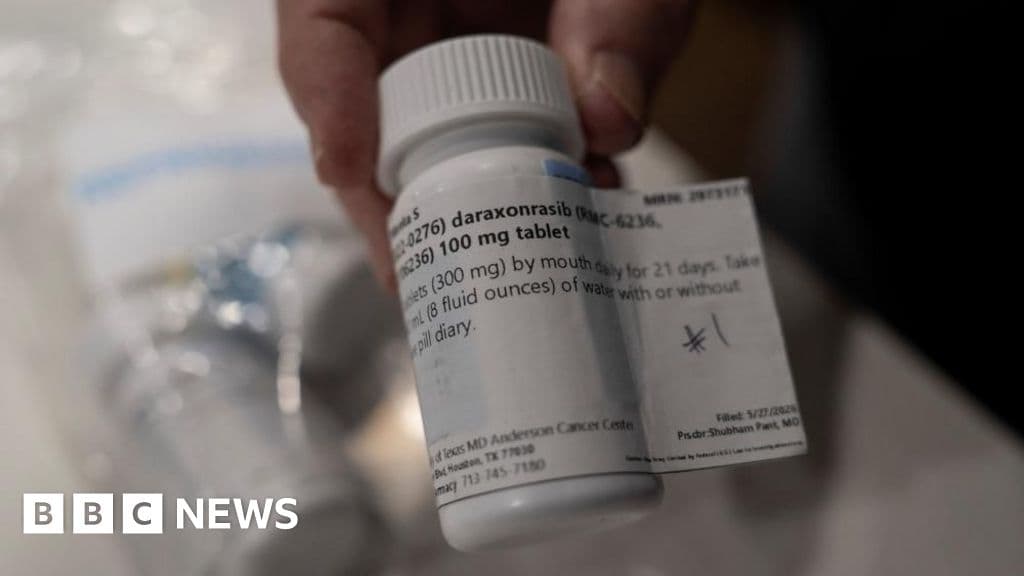
Discover how daraxonrasib, a new pill, is nearly doubling survival rates for pancreatic cancer patients, offering hope in a challenging battle against this deadly disease.
BBC Health
Waste companies propose a £5 deposit on vapes to encourage proper disposal and curb littering as the environmental impact of vapes increases.
BBC Business