
Image: Mint (Business)
North India faces a rare cold day with temperatures plunging amid unusual March rains. What caused this dramatic weather shift? Find out more.
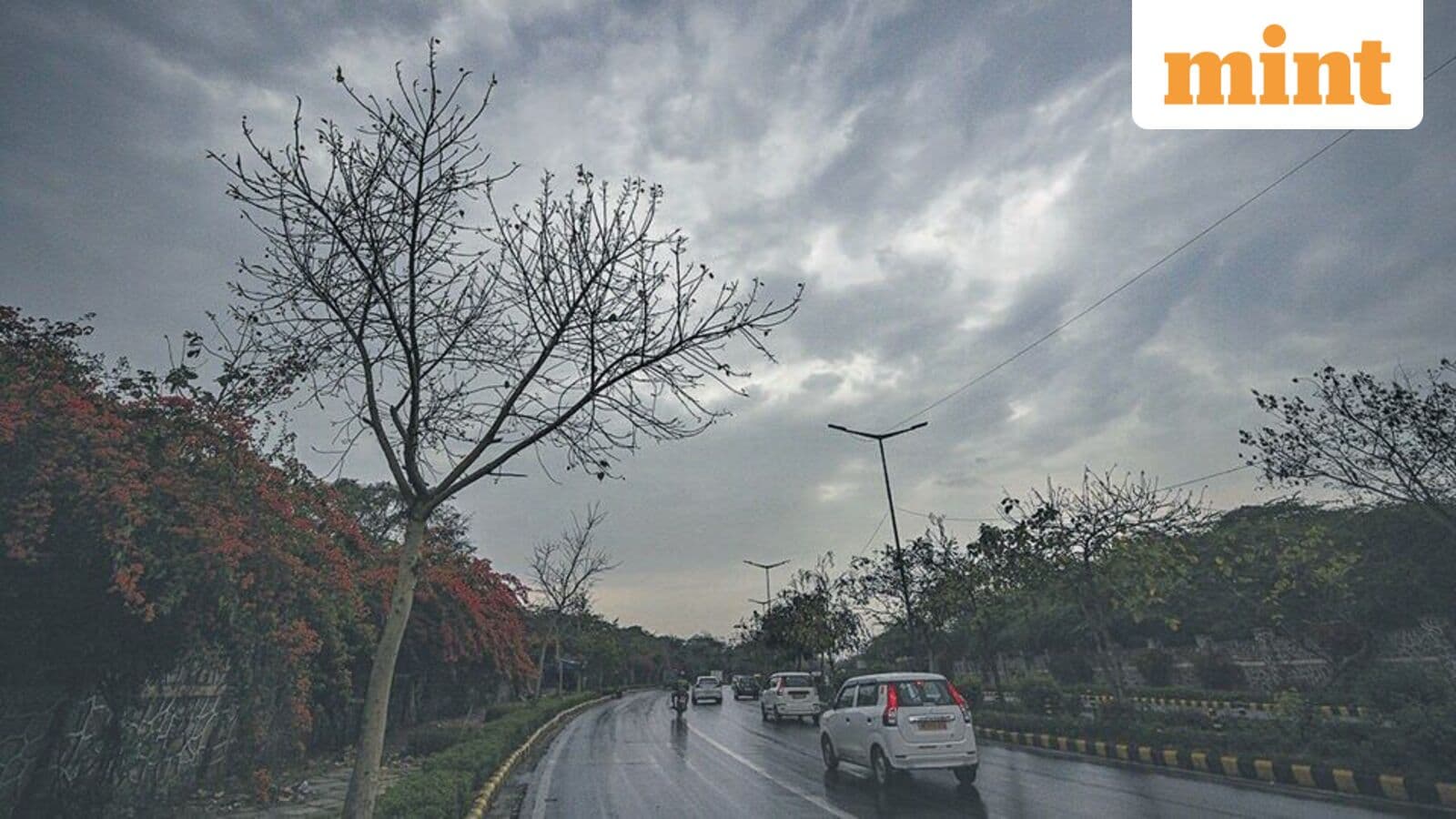
GlipzoIn a surprising twist, parts of North India are bracing for a rare cold day this March, as heavy rain and thunderstorms sweep through the region. On March 20, meteorologist Navdeep Dahiya, founder of the Live Weather Of India organization, shared insights on social media platform X, indicating that temperatures could plummet to between 15°C and 19°C in areas like Delhi, Punjab, Haryana, and Uttar Pradesh. This forecast suggests a significant drop of 10-15°C below normal for this time of year.
Dahiya encouraged residents to enjoy the unexpected chill but also urged caution, stating, "Winter is back for a day, enjoy but please do take care!" As the sun rose on Friday, Delhi experienced light drizzle along with a refreshing breeze, with the minimum temperature recorded at 16°C, which is slightly below the seasonal norm.
According to the India Meteorological Department (IMD), the coming week will likely see temperatures remaining below normal. The IMD’s latest report anticipates that the maximum temperature in Delhi could fall by an additional 5-6°C within the next 24 hours. Forecasts indicate that Friday’s maximum temperatures may hover between 19-21°C, with a minimum expected to remain around 16°C.
Historical data shows that the average maximum temperature for March 20 typically reaches 31.3°C, while the minimum sits around 16.5°C. This stark contrast in temperatures highlights the unusual nature of the current weather.
The abrupt shift in weather began on Wednesday, March 20, when rain poured across various regions of the country. Many in cities like Delhi and Bengaluru are left questioning the reasons behind such rainfall during a month generally associated with rising temperatures. The IMD describes this unusual weather as a consequence of extensive thunderstorm activity and the approach of western disturbances.
The IMD elaborated on the current atmospheric conditions, indicating that the Western Disturbance—a weather system originating from the Mediterranean region—currently stretches from North Pakistan to Southwest Madhya Pradesh, affecting regions like Punjab and Rajasthan. This weather pattern is expected to continue influencing conditions in Northwest India.
Looking ahead, the IMD forecasts additional rainfall, thunderstorms, and even hailstorms from March 20 to March 24 in several states, including Uttarakhand, Himachal Pradesh, Madhya Pradesh, Chhattisgarh, Bihar, Jharkhand, West Bengal, Sikkim, Arunachal Pradesh, and Odisha.
Dr. Pradeep, a climate scientist associated with the 'All India Weather' initiative, characterized the recent thunderstorms as pre-monsoon events, which are notably shifting the seasonal landscape from summer to winter in various areas of North and South India. His observations on X emphasized the rarity and strength of the current western disturbance, which features a unique linear structure spanning thousands of kilometers.
Western disturbances are significant weather systems that can bring moisture and result in unexpected weather patterns across the Indian subcontinent. They play a crucial role in influencing the winter-spring transition and can lead to abrupt temperature drops and precipitation. The IMD has also indicated that a new weak western disturbance will affect Northwest India starting March 22, followed by another active disturbance expected around March 26.
This sudden change in weather patterns is critical not only for immediate local climates but also for agriculture, water resources, and public health. Farmers, in particular, must navigate these unpredictable conditions to protect their crops.
As the weather continues to fluctuate, residents should remain aware of updates from the IMD and local authorities. The unusual rainfall and temperature drops present a unique opportunity for scientists and meteorologists to study climate patterns and their implications for the future. This phenomenon raises questions about the broader impacts of climate change on seasonal weather behaviors in India.
Stay tuned for further developments as the IMD continues to monitor these weather patterns closely. The interplay between current disturbances and regional climate may reshape expectations for the months to come, highlighting the need for increased preparedness for extreme weather events.
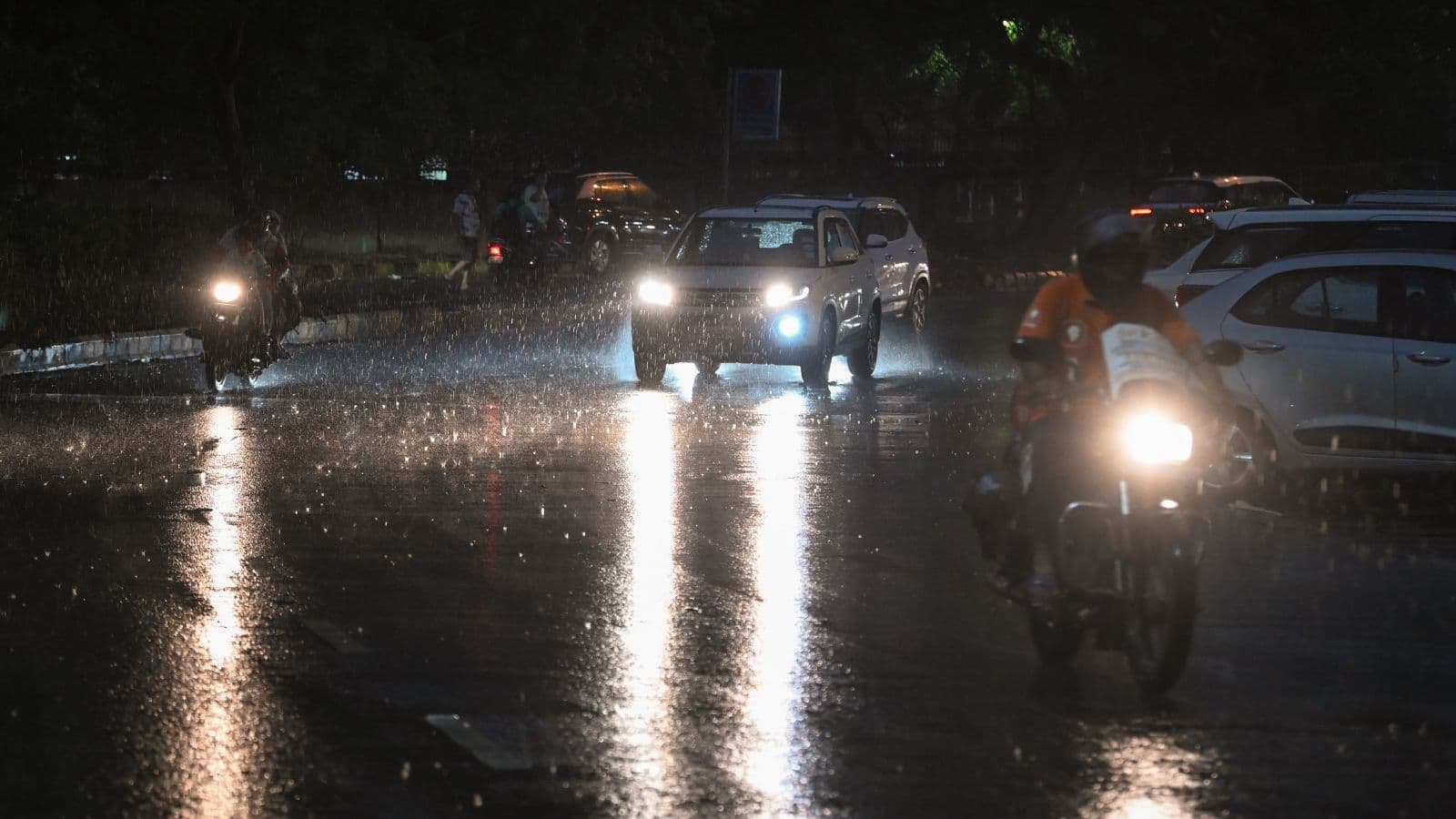
Delhi-NCR experiences thunderstorms bringing temporary relief from heat. What’s next for the city’s weather? Click to find out more!
Indian Express
A critical heatwave continues to impact northwest and central India, with relief expected after May 29. Stay informed for updates on this weather phenomenon.
Indian Express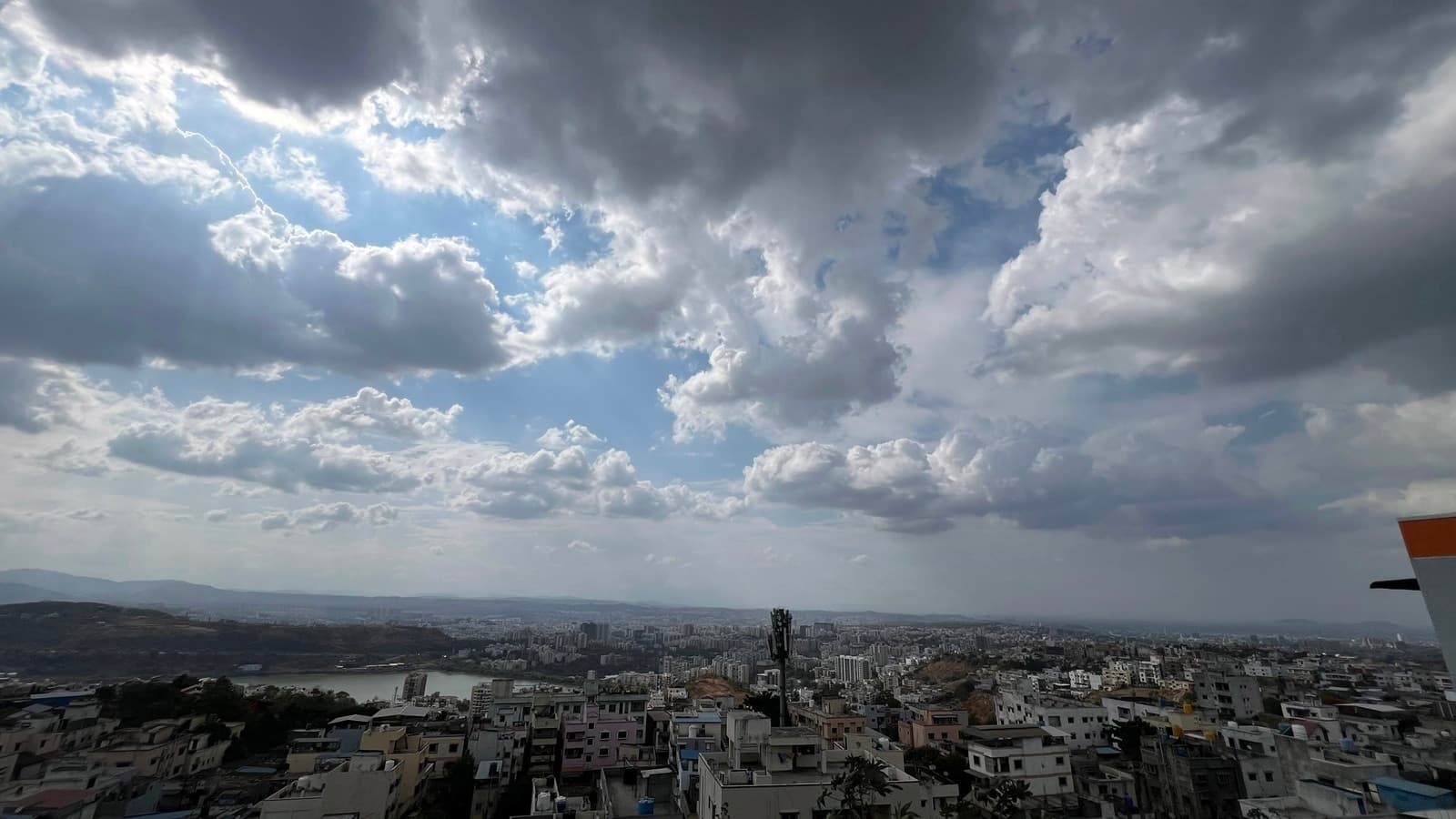
Pune residents can expect a temperature drop and thundershowers next week as Westerly winds bring moisture, offering relief from the recent heatwave.
Indian Express