Glipzo
WorldTechnologyBusinessSportsEntertainmentScienceHealthPolitics
Glipzo
WorldTechnologyBusinessSportsEntertainmentScienceHealthPolitics
  1. Home
  2. /
  3. Politics
  4. /
  5. Rajasthan's Controversial Property Bill: What You Need to Know
Rajasthan's Controversial Property Bill: What You Need to Know

Image: The Hindu

Politics
Monday, March 16, 20264 min read

Rajasthan's Controversial Property Bill: What You Need to Know

Rajasthan's new property bill raises concerns over constitutional validity, potential misuse, and its impact on communities. Discover the critical details.

Glipzo News Desk|Source: The Hindu
Share
Glipzo

Key Highlights

  • Rajasthan's property bill mandates government approval for sales in 'disturbed areas.'
  • Critics fear the bill may lead to increased communal segregation.
  • Legal experts warn about potential violations of constitutional rights.
  • The bill could severely impact local economies and property markets.

In this article

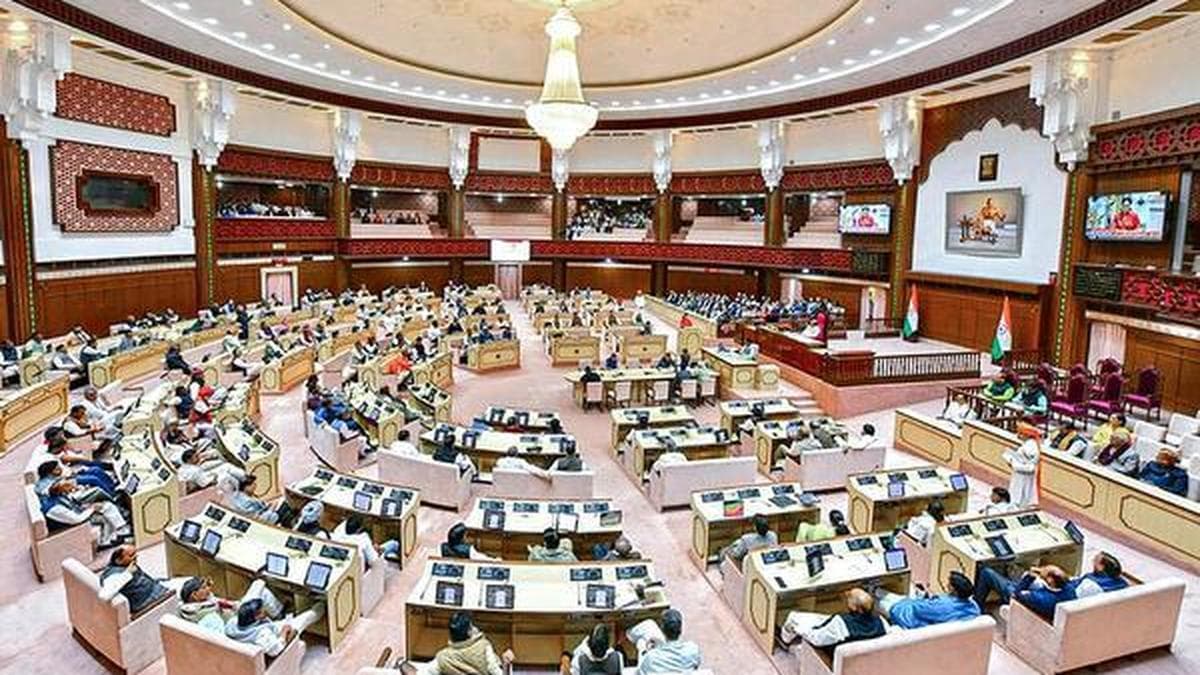
  • Rajasthan's New Property Bill: An Overview On **March 6, 2026**, the **Rajasthan Legislative Assembly** passed the **Prohibition of Transfer of Immovable Property in Disturbed Areas Bill** through a voice vote, igniting a heated debate across political and social platforms. This legislation aims to regulate property transactions in areas deemed "disturbed" by the state government due to the likelihood of communal violence or public disorder. As the implications of this bill unfold, many are questioning its **constitutional validity** and potential for misuse.
  • Understanding the Mechanism of the Bill The crucial elements of this Bill are outlined in several sections: - **Section 3(1,2)** grants the state government the authority to designate any area as "disturbed" based on perceived risks of unrest. - **Section 5(1,2)** mandates that all property transfers—including sales, gifts, and leases—within these areas require prior approval from the **District Magistrate** or **Collector**. Transactions conducted without this approval will be considered legally void. - **Section 7** empowers authorities to investigate whether a property transfer is genuine or if it involves coercion or distress sales. - **Section 9** introduces penalties for non-compliance, while **Section 10** offers protections for tenants against unlawful evictions in sensitive regions. - Violations are categorized as cognizable and non-bailable offences, carrying hefty penalties of **three to five years** in prison and substantial fines.
  • Historical Context: Learning from Gujarat Critics of the Rajasthan Bill draw parallels to the **Gujarat Disturbed Areas Act**, which emerged from the civil strife of the **1980s**. This act aimed to protect minority communities from distress sales triggered by communal riots, particularly in cities like Ahmedabad. Despite its original intent, the law has often perpetuated segregation, confining communities to specific neighborhoods and exacerbating ghettoization.
  • Constitutional Concerns and Potential Misuse The introduction of the Rajasthan Bill raises significant constitutional questions. Although the **44th Amendment** of the Constitution removed the right to property as a fundamental right in **1978**, Article **300A** continues to protect property rights under the authority of law. This Bill grants that authority but raises concerns about its selective application.
  • The Broader Impact: Social and Economic Ramifications As the Bill stands, it has far-reaching implications not just for property ownership but also for the socio-economic landscape of Rajasthan. The requirement for government approval for property transactions is likely to slow down real estate activities in designated areas, potentially destabilizing local economies. **Homeowners**, **investors**, and **businesses** could find themselves facing bureaucratic hurdles that deter investment and growth.
  • Moving Forward: What to Watch For As Rajasthan implements this controversial Bill, the coming months will be critical. Stakeholders, including real estate professionals, community leaders, and legal experts, will be closely monitoring its effects. Key areas to watch include: - **Legal Challenges**: Anticipate court cases questioning the Bill's constitutionality, particularly regarding discrimination and property rights. - **Community Reactions**: Observers should note community responses and any protests or pushback against what some perceive as a regressive move. - **Economic Impact**: The economic ramifications of the Bill will unfold as property transactions slow, affecting local markets and housing dynamics.

Rajasthan's New Property Bill: An Overview On **March 6, 2026**, the **Rajasthan Legislative Assembly** passed the **Prohibition of Transfer of Immovable Property in Disturbed Areas Bill** through a voice vote, igniting a heated debate across political and social platforms. This legislation aims to regulate property transactions in areas deemed "disturbed" by the state government due to the likelihood of communal violence or public disorder. As the implications of this bill unfold, many are questioning its **constitutional validity** and potential for misuse.

Understanding the Mechanism of the Bill The crucial elements of this Bill are outlined in several sections: - **Section 3(1,2)** grants the state government the authority to designate any area as "disturbed" based on perceived risks of unrest. - **Section 5(1,2)** mandates that all property transfers—including sales, gifts, and leases—within these areas require prior approval from the **District Magistrate** or **Collector**. Transactions conducted without this approval will be considered legally void. - **Section 7** empowers authorities to investigate whether a property transfer is genuine or if it involves coercion or distress sales. - **Section 9** introduces penalties for non-compliance, while **Section 10** offers protections for tenants against unlawful evictions in sensitive regions. - Violations are categorized as cognizable and non-bailable offences, carrying hefty penalties of **three to five years** in prison and substantial fines.

Historical Context: Learning from Gujarat Critics of the Rajasthan Bill draw parallels to the **Gujarat Disturbed Areas Act**, which emerged from the civil strife of the **1980s**. This act aimed to protect minority communities from distress sales triggered by communal riots, particularly in cities like Ahmedabad. Despite its original intent, the law has often perpetuated segregation, confining communities to specific neighborhoods and exacerbating ghettoization.

In Ahmedabad, areas like Juhapura have become predominantly Muslim, with property transactions increasingly scrutinized across community lines. The 2020 amendments to the Gujarat Act further entrench these divisions, with former Chief Minister Vijay Rupani suggesting that the law was designed to keep Hindus and Muslims segregated.

Constitutional Concerns and Potential Misuse The introduction of the Rajasthan Bill raises significant constitutional questions. Although the **44th Amendment** of the Constitution removed the right to property as a fundamental right in **1978**, Article **300A** continues to protect property rights under the authority of law. This Bill grants that authority but raises concerns about its selective application.

Legal experts have highlighted potential violations of Article 14, which guarantees equality under the law. If the Bill disproportionately impacts specific communities or neighborhoods, it may be challenged for arbitrary classification or discrimination. The Congress party has already criticized the Bill for its perceived communal bias, arguing that it could hinder real estate development in affected areas.

The Broader Impact: Social and Economic Ramifications As the Bill stands, it has far-reaching implications not just for property ownership but also for the socio-economic landscape of Rajasthan. The requirement for government approval for property transactions is likely to slow down real estate activities in designated areas, potentially destabilizing local economies. **Homeowners**, **investors**, and **businesses** could find themselves facing bureaucratic hurdles that deter investment and growth.

Community members are also concerned about the social ramifications. The legislation could exacerbate already existing communal tensions and lead to further segregation. There is a growing fear that the Bill may not only restrict property ownership but also contribute to the marginalization of minority communities within Rajasthan.

Moving Forward: What to Watch For As Rajasthan implements this controversial Bill, the coming months will be critical. Stakeholders, including real estate professionals, community leaders, and legal experts, will be closely monitoring its effects. Key areas to watch include: - **Legal Challenges**: Anticipate court cases questioning the Bill's constitutionality, particularly regarding discrimination and property rights. - **Community Reactions**: Observers should note community responses and any protests or pushback against what some perceive as a regressive move. - **Economic Impact**: The economic ramifications of the Bill will unfold as property transactions slow, affecting local markets and housing dynamics.

In conclusion, the Prohibition of Transfer of Immovable Property in Disturbed Areas Bill represents more than just a legislative measure; it is a reflection of deeper societal issues and communal relations in Rajasthan. As the debate continues, the focus will remain on finding a balance between maintaining order and protecting the rights of all citizens.

Did you find this article useful? Share it!

Share

Related Articles

Breaking: US Navy Secretary John Phelan Exits Post Immediately
Politics
Apr 23, 2026

Breaking: US Navy Secretary John Phelan Exits Post Immediately

US Navy Secretary John Phelan exits his position immediately amid rising tensions in the Middle East. Discover what this means for military strategy.

BBC World
Shocking Drug Trade Uncovered in UK High Street Mini-Marts
Politics
Apr 23, 2026

Shocking Drug Trade Uncovered in UK High Street Mini-Marts

A shocking BBC investigation reveals illegal drug sales in UK mini-marts, highlighting urgent calls for action against organized crime. Discover the findings.

BBC Business
Chandigarh Mayor Proposes New National Highway to Ease Traffic
Politics
Apr 23, 2026

Chandigarh Mayor Proposes New National Highway to Ease Traffic

Chandigarh Mayor Saurabh Joshi proposes a new National Highway to ease traffic congestion, enhance emergency healthcare, and boost tourism. Click to learn more!

Indian Express

Categories

  • World
  • Technology
  • Business
  • Sports

More

  • Entertainment
  • Science
  • Health
  • Politics

Explore

  • Web Stories
  • About Us
  • Contact

Legal

  • Privacy Policy
  • Terms of Service

© 2026 Glipzo. All rights reserved.


