
Image: Mint (Business)
Raghav Chadha calls for paternity leave to be a legal right in India, emphasizing shared caregiving responsibilities and urban challenges.
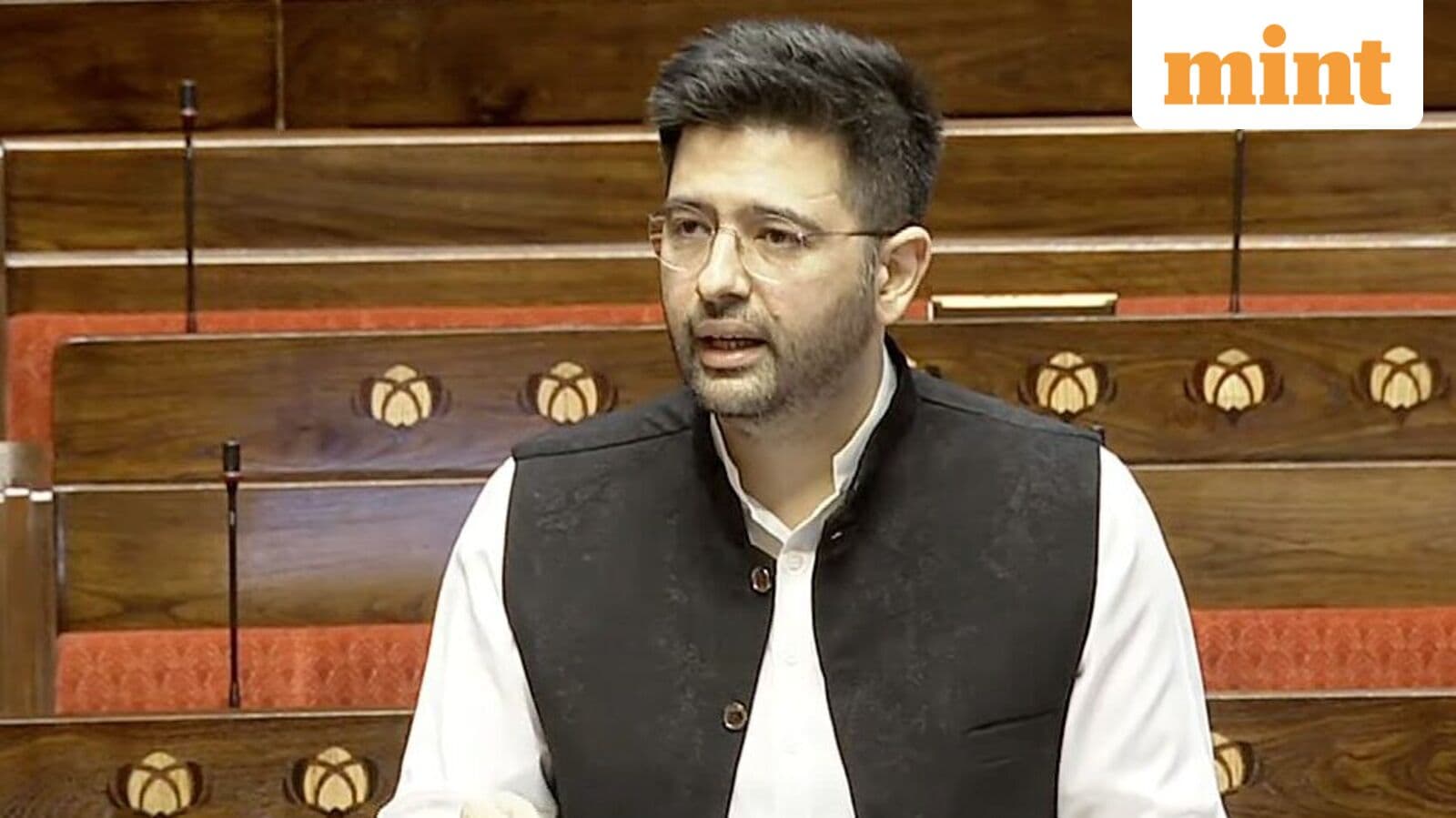
GlipzoIn a significant move during the ongoing Budget Session of Parliament, Raghav Chadha, a prominent leader of the Aam Aadmi Party (AAP), has made a compelling case for making paternity leave a legal right in India. During his address in the Rajya Sabha, Chadha highlighted the disparity in caregiving responsibilities that often burdens new mothers, stating, "When a child is born, both parents are congratulated. But caregiving responsibility falls on one. The mother."
Currently, while government employees in India are granted 15 days of paid paternity leave within six months of a child's birth or adoption, this benefit is not uniformly applicable in the private sector. Here, paternity leave is largely viewed as a discretionary benefit, leading to inconsistent policies across different companies. Chadha's push for reform seeks to standardize paternity leave across all sectors, emphasizing that both parents should share caregiving responsibilities.
Chadha's argument underscores the need for supportive legislation that recognizes the crucial role fathers play in the early stages of child-rearing. He stated, "A father should not have to choose between caregiving for his newborn and keeping his job. And a mother should not have to go through childbirth & recovery without her husband’s support." This sentiment resonates with many families who find themselves navigating the challenges of parenthood without adequate workplace support for fathers.
The demand for paternity leave as a legal right is not unfounded; many countries worldwide have already instituted such policies. For instance, in Sweden, Iceland, and Japan, paternity leave spans from 90 days to 52 weeks, offering fathers the opportunity to bond with their newborns while ensuring their partners receive necessary support during recovery. Chadha pointed out that in India, with 90% of the workforce employed in the private sector, the vast majority of fathers currently lack this essential right.
Advocating for paternity leave is not merely about time off work; it has far-reaching implications for families and society as a whole. Some of the key benefits include: - Enhanced Family Bonding: Fathers who take paternity leave have the opportunity to establish a strong connection with their newborns, which can positively impact child development. - Shared Responsibilities: Equal distribution of caregiving tasks can alleviate the pressure on mothers, fostering a more balanced family dynamic. - Increased Workplace Satisfaction: Companies that support paternity leave often see higher employee morale and job satisfaction, translating into better retention rates. - Healthier Families: Research indicates that when fathers are involved in early caregiving, it can lead to better mental health outcomes for both parents and children.
Chadha's advocacy extends beyond family rights; he has also been vocal about pressing urban issues. Recently, he raised concerns about the staggering hours commuters in Bengaluru, Mumbai, and Delhi spend stuck in traffic, estimating that individuals waste at least 100 hours per year in gridlock. He stressed the economic repercussions of this congestion, noting that every hour lost is an hour that cannot be regained—affecting productivity and contributing to pollution.
To address these issues, Chadha has called for a National Urban Decongestion Mission. His proposal includes improving public transport systems, implementing smarter traffic management, and creating scientific parking policies to mitigate the estimated $20-30 billion in annual economic losses due to inefficiencies in urban mobility, as highlighted by World Bank studies.
Chadha's push for paternity leave as a legal right is a significant step toward fostering a culture of shared parenting and gender equality in caregiving roles. As more nations recognize the importance of family leave for fathers, India's legal framework may need to evolve to keep pace with these changes. The broader implications of such a shift could not only benefit families but also enhance workplace productivity and societal well-being.
As discussions on paternity leave gain momentum in Parliament, stakeholders will be watching closely to see if the government will take Chadha's proposal seriously. The outcome could pave the way for a more equitable workplace environment, benefiting countless families across the nation. Policymakers will need to consider the diverse needs of families in the private sector and balance those with the interests of businesses.
Furthermore, the potential for a comprehensive national policy on urban mobility could dramatically reshape how Indians navigate their cities, reducing congestion and improving quality of life.
As the dialogue continues, it is crucial for citizens, businesses, and lawmakers to engage in this conversation, advocating for policies that promote both family rights and efficient urban living.
In conclusion, Chadha's efforts are not just about legislation; they represent a fundamental shift towards recognizing the shared responsibilities of parenting and the need for holistic urban planning. As these discussions unfold, the path forward will be closely scrutinized by various stakeholders, eager to see how India adapts to these evolving societal norms.

Tensions soar as the US and Iran engage in air strikes near the Strait of Hormuz, raising concerns over global oil supply and regional stability.
BBC World
Trump's international interventions face serious stalemates. What will this mean for U.S. foreign policy? Explore the critical challenges ahead.
Indian Express
Tehran denies resignation of President Masoud Pezeshkian amid claims of IRGC influence. What does this mean for Iran's political stability? Click to learn more!
Indian Express