

Image: The Hindu
QatarEnergy reports extensive damage after missile attacks on Ras Laffan Industrial City, raising concerns over national security and energy supply stability.
GlipzoIn a shocking turn of events, QatarEnergy, the state oil corporation, announced on March 18, 2026, that its facilities in Ras Laffan Industrial City experienced extensive damage following missile strikes. This incident occurred amidst heightened tensions in the region, primarily stemming from the ongoing conflict between the U.S.-Israeli alliance and Iran. The attacks have raised serious concerns regarding national security in Qatar and the stability of energy supplies in the Gulf region.
Initial reports indicated that the Qatari Interior Ministry had responded to a fire resulting from an Iranian missile attack. Fortunately, there were no reports of casualties, with all personnel confirmed safe. Emergency response teams swiftly mobilized to manage the fires triggered by the attacks, highlighting the proactive measures taken to protect vital infrastructure.
The recent missile strikes are part of a broader pattern of aggression emerging from the Iran-Israel conflict, which has seen numerous countries in the region caught in the crossfire. QatarEnergy, recognized as the world’s second-largest exporter of liquefied natural gas (LNG), plays a critical role in the global energy market, making its facilities in Ras Laffan a prime target for hostile actions.
The Qatari government condemned the missile attacks, labeling them a “direct threat” to its national security. In a statement, the Qatari Foreign Ministry criticized Iran’s aggressive tactics, asserting that such actions jeopardize not just Qatar but also neighboring nations. The situation underscores the precarious state of affairs in the Gulf, where geopolitical tensions often translate into real-world conflicts.
Ras Laffan, situated approximately 80 kilometers north of Doha, serves as a crucial hub for the energy sector, hosting a range of international companies involved in oil and gas production. The facility’s strategic importance cannot be overstated, as it not only contributes significantly to Qatar's economy but also to global energy supplies.
The missile strikes and subsequent damage could have far-reaching implications. Should operations at Ras Laffan be disrupted, the resulting impact on global LNG markets could be significant, potentially driving up prices and affecting energy security in various countries.
The events of March 18 serve as a stark reminder of the volatility that characterizes the geopolitical landscape of the Middle East. Qatar's role as a leading energy exporter is now under threat, highlighting the vulnerability of critical infrastructure in times of conflict. Understanding these dynamics is essential for stakeholders in the global energy market, as they may need to prepare for potential disruptions in supply.
As Qatar assesses the damage and implements recovery measures, the international community will be closely monitoring the situation. The Iran-Israel conflict is likely to escalate further, and Qatar must navigate its foreign relations carefully to mitigate the risk of future attacks.
As events continue to unfold, the world will be watching closely to see how Qatar responds to this grave threat to its energy sector and national security. With the stakes higher than ever, the implications of these missile attacks will resonate throughout the region and beyond.
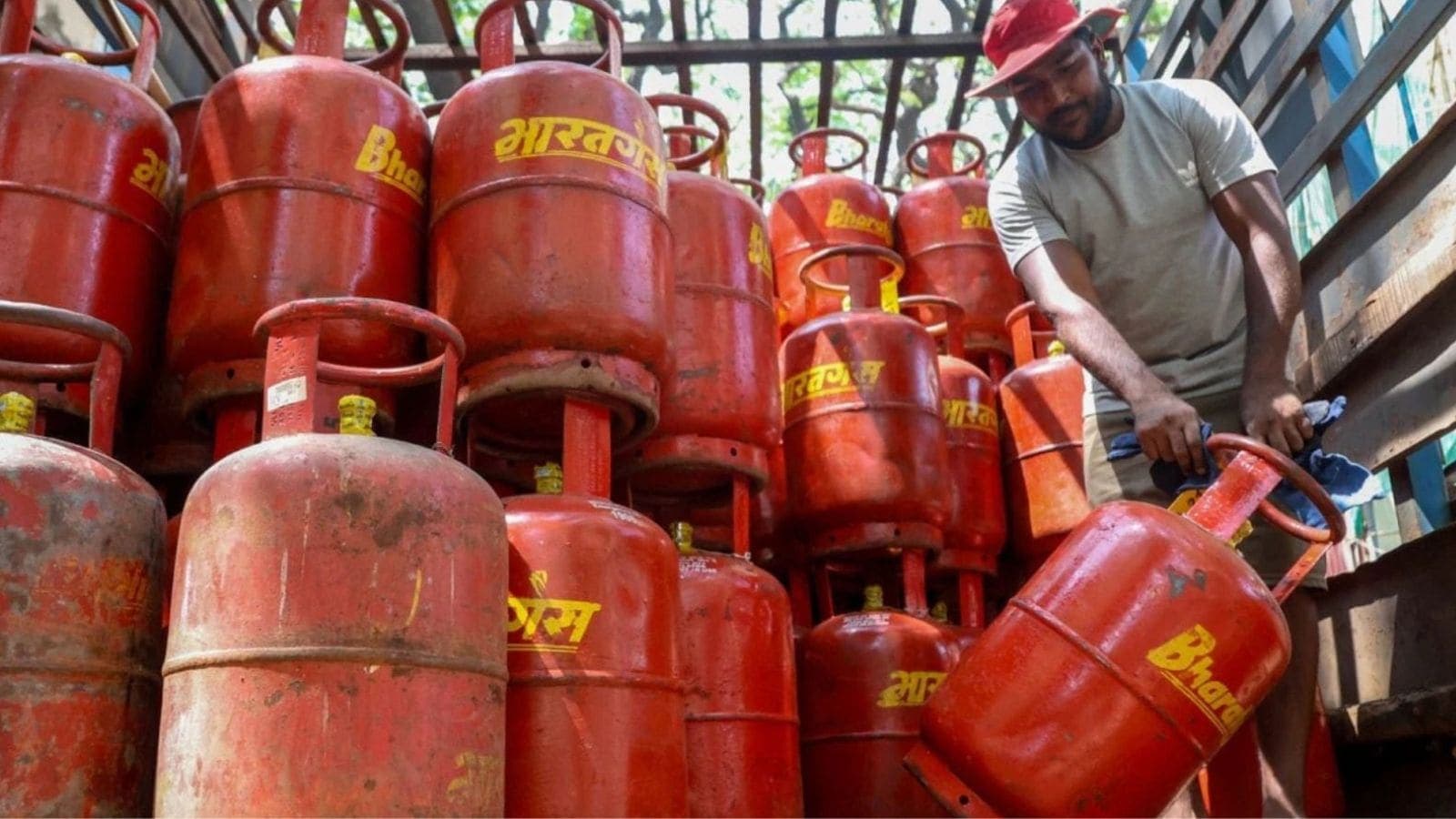
Commercial LPG prices have risen again, with increases of ₹42 in Delhi and ₹53.50 in Kolkata impacting businesses and consumers alike. Find out more.
Indian Express
Discover how a tragic coal mine explosion in Shanxi, China, reveals ongoing safety concerns in the industry amidst a push for green energy.
BBC Business
Montek Singh Ahluwalia highlights key economic challenges for India, emphasizing the need for a strategic approach to balance payments and investment.
Indian Express