
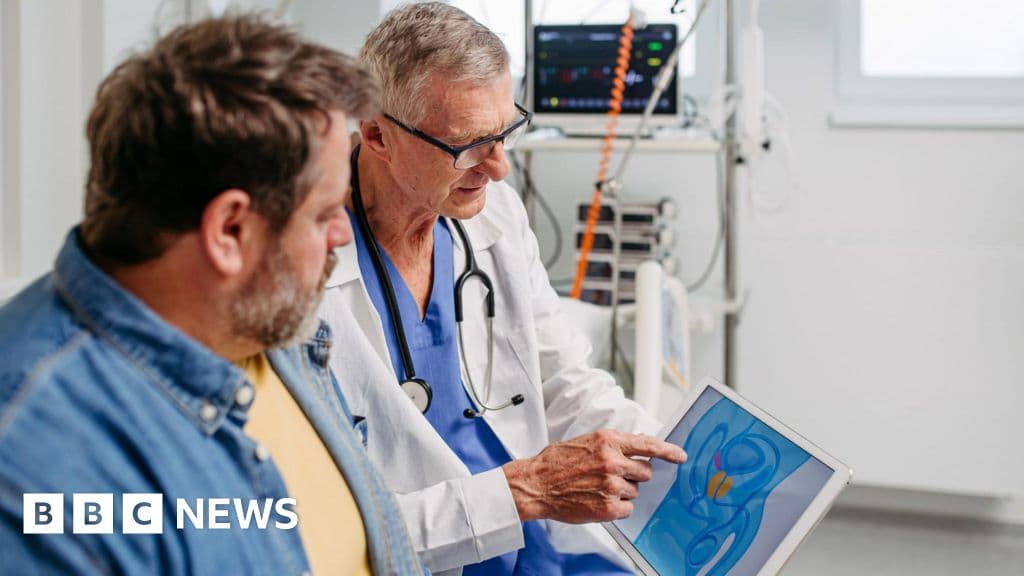
Image: BBC Health
Discover the new recommendations on prostate cancer screening for men at high risk and why this matters for public health in the UK.
GlipzoIn a significant development for men's health, the UK's National Screening Committee has issued its final recommendations regarding prostate cancer screening. The committee has determined that only a select group of men—specifically those possessing a dangerous genetic variant and a family history of cancer—should undergo screening for prostate cancer. This translates to merely a few thousand men annually who will be eligible for a blood test aimed at detecting the disease.
This decision has stemmed from extensive research, which indicates that the potential harms associated with screening outweigh the benefits for all other demographics. While prostate cancer screening can indeed save lives, it can also lead to unnecessary treatments that may severely impact a man's quality of life, including the loss of bladder control and erectile function.
Prostate cancer holds the title of the most prevalent cancer among men in the UK, contributing to the deaths of approximately 12,000 individuals each year. The prostate, a gland located just below the bladder, plays a crucial role in male reproductive health by producing part of the seminal fluid and influencing urinary flow.
The screening process for prostate cancer generally involves a blood test for prostate-specific antigen (PSA) levels, followed by an MRI scan if the results raise concerns. A recent comprehensive review from the National Screening Committee revealed that for every 1,000 men screened in their 50s, only two lives would be saved from prostate cancer over the next 15 years. In contrast, this same screening would result in 20 men being diagnosed with a cancer that poses no real threat to their lives.
Many prostate cancers grow at such a slow rate that men would likely live to 120 or even 150 years before they become life-threatening. However, being diagnosed with cancer often carries a psychological burden that can persist throughout a man's life. Among those diagnosed unnecessarily, 12 men would undergo treatment that they do not need, which could lead to long-lasting side effects affecting their sexual health and potentially causing urinary incontinence.
According to Prof Sir Mike Richards, the chair of the screening committee and a prostate cancer patient himself, the difficulty lies in distinguishing which cancers require treatment and which do not. He noted, "Once a prostate cancer is found, we still can't reliably tell which cancers need treatment or which do not— and the treatments available for prostate cancer can cause long-lasting harm."
The final advice from the committee specifies that screening should be limited to men with a BRCA2 gene variant and a family history of cancers such as breast, ovarian, pancreatic, or prostate cancer. The BRCA2 gene is pivotal in DNA repair, and mutations can lead to an increased incidence and severity of various cancers.
Eligible men will be invited to undergo a PSA blood test every two years starting from the ages of 45 to 61. This recommendation translates to only a small cohort of men—those who are often already participating in informal screenings through NHS genetics clinics.
The National Screening Committee has emphasized its commitment to continuously reassessing new evidence, which could pave the way for broader screening initiatives in the future. This includes the exploration of innovative prostate cancer tests that might improve the identification of cases needing treatment, as well as the integration of artificial intelligence tools into screening processes. Moreover, the ongoing Transform trial in the UK aims to address uncertainties surrounding prostate cancer risk among black men, a demographic known to be at heightened risk.
Sir Mike expressed hope that emerging evidence and advanced testing methods will eventually support a more extensive screening approach for prostate cancer. However, he stressed the importance of having solid evidence before implementing any changes.
This review comes on the heels of a concerted advocacy effort by various organizations and public figures, including Olympian Sir Chris Hoy, who is battling terminal prostate cancer. Former Prime Ministers David Cameron and Rishi Sunak, along with well-known personalities like actor Stephen Fry and footballer Les Ferdinand, have passionately engaged in raising awareness about prostate cancer and the necessity for effective screening.
Interestingly, the final advice from the committee has become even more restrictive than the initial recommendations proposed last November, which considered eligibility for both BRCA1 and BRCA2 mutations.
The implications of this decision are monumental for public health. By narrowing the focus of prostate cancer screening, the committee aims to prevent the psychological and physical consequences of unnecessary treatments while ensuring that the limited resources are directed toward those who will benefit most.
As research into prostate cancer continues to evolve, it will be essential for health officials and researchers to remain vigilant in adapting guidelines based on emerging data. The future of prostate cancer screening hinges on advancements in technology and a deeper understanding of the disease, ensuring that the screening processes are as beneficial and efficient as possible. Watch for updates on new trials and research findings that could reshape the landscape of prostate cancer care in the coming years.

Shocking findings from Nottingham's maternity unit reveal a toxic culture and alarming neglect. What can be done to improve care? Discover the details.
BBC Health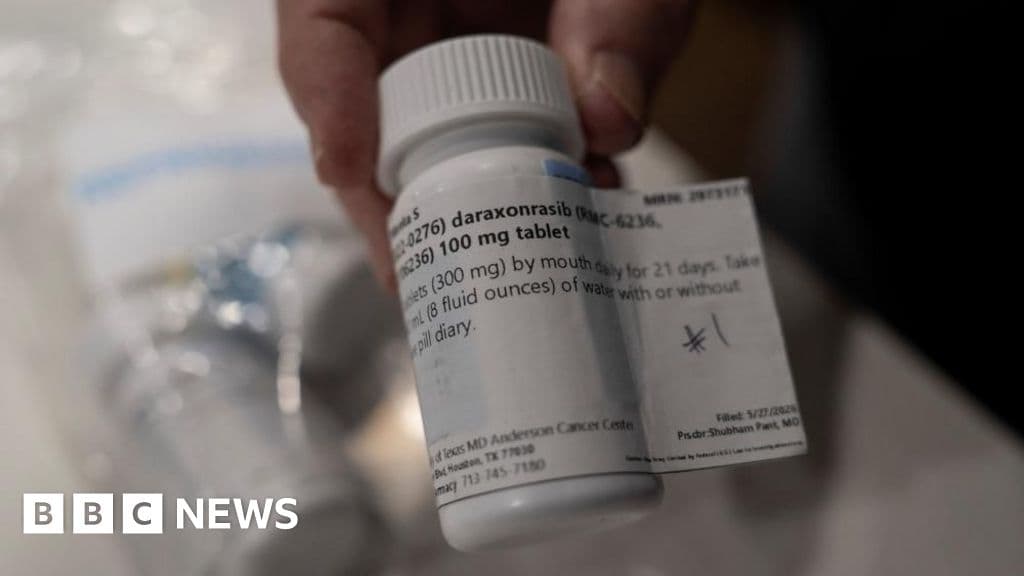
Discover how daraxonrasib, a new pill, is nearly doubling survival rates for pancreatic cancer patients, offering hope in a challenging battle against this deadly disease.
BBC Health
Waste companies propose a £5 deposit on vapes to encourage proper disposal and curb littering as the environmental impact of vapes increases.
BBC Business