
Image: Indian Express
Discover how private equity is transforming Gurgaon’s K-12 schools and what this means for the future of education in India. Click to learn more!
GlipzoGupta and Fernandes pose a pivotal question: In this rapidly evolving AI-driven world, what aspects of life will endure? Their conclusion points towards high-touch businesses such as schools, emphasizing that parents will always seek educational avenues for their children. This conviction led Kenro Capital to invest around Rs 340 crore in K12 Techno Services Private Limited, renowned for its Orchids: The International School chain.
Kenro Capital is part of a larger trend. Across India, the K-12 education sector is attracting increasing attention from private equity, particularly in Gurgaon, where at least nine schools have secured backing from these firms. This growing interest raises critical questions about the future of education in India and the implications of such investments on school operations and student outcomes.
This model allows private equity firms to generate returns indirectly by having school trusts pay lease rentals and management fees to these for-profit entities. An industry insider explains that this creates a continuous revenue stream from school cash flows while also benefiting from the scalability of branded school chains — a factor that enhances profitability and valuation.
Moreover, the education sector is experiencing consolidation, which further boosts the appeal for these investors. Schools are increasingly attractive as they promise predictable demand and long-term cash flows, essential for PE firms looking for stable returns.
Fernandes highlights this trend, stating, "The next generation is no longer interested in running it on a daily basis and is instead open to handing over the management to professionally run players." This shift is paving the way for private equity firms to step in, transforming schools into scalable institutions capable of meeting modern educational demands.
According to Amitabh Jhingan, partner at EY Parthenon and Global Education Sector Leader at EY, these new expectations are reshaping private K-12 schools in India. Jhingan notes that the modern educational environment now embraces a more global and aspirational format, accommodating both national (CBSE and ICSE) and international curricula (IGCSE and IB).
This transition aims to provide smoother pathways to foreign universities and enhance global credentials for students. However, the shift toward international programs and premium educational experiences comes with financial implications that schools must navigate carefully.
Moreover, the presence of private equity in education raises questions about the long-term impact on accessibility and equity in schooling. Will these changes lead to greater educational disparity, or can they enhance opportunities for all students? These are critical considerations as the sector continues to evolve.
As we look forward, the education sector in Gurgaon stands at a crossroads, and the influence of private equity will be pivotal in shaping its future. Stakeholders — including parents, educators, and policymakers — will need to engage in discussions to ensure that the evolution of schools benefits all students, providing them with the education they deserve in an increasingly complex world.
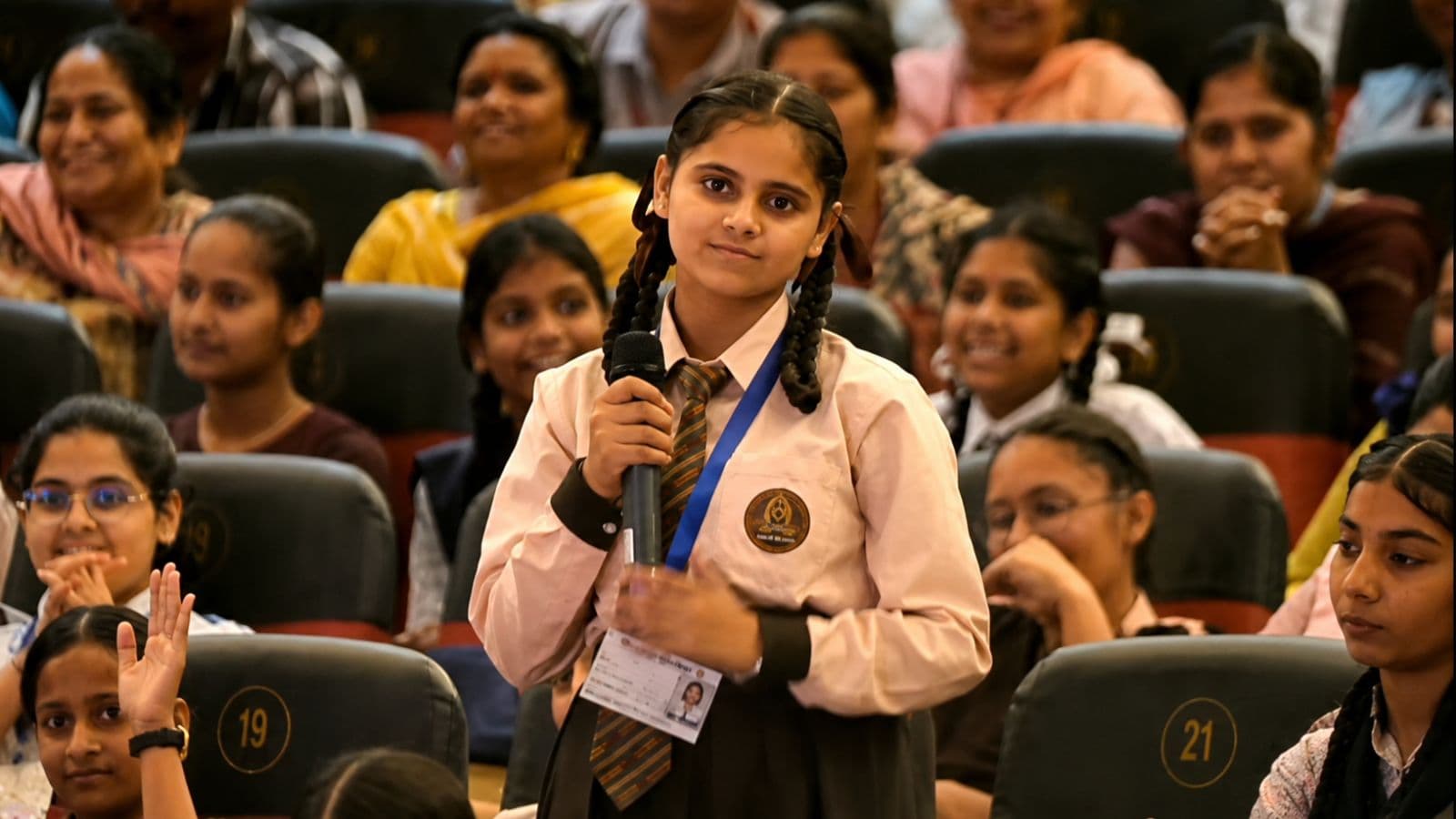
Amritsar student questions age-based ranking, prompting Punjab CM to reform PSEB policies. A significant change towards merit-based recognition is underway.
Indian Express
AP EAMCET 2026 results are out! Discover how to check your scorecard and navigate the upcoming counselling process for college admissions.
Indian Express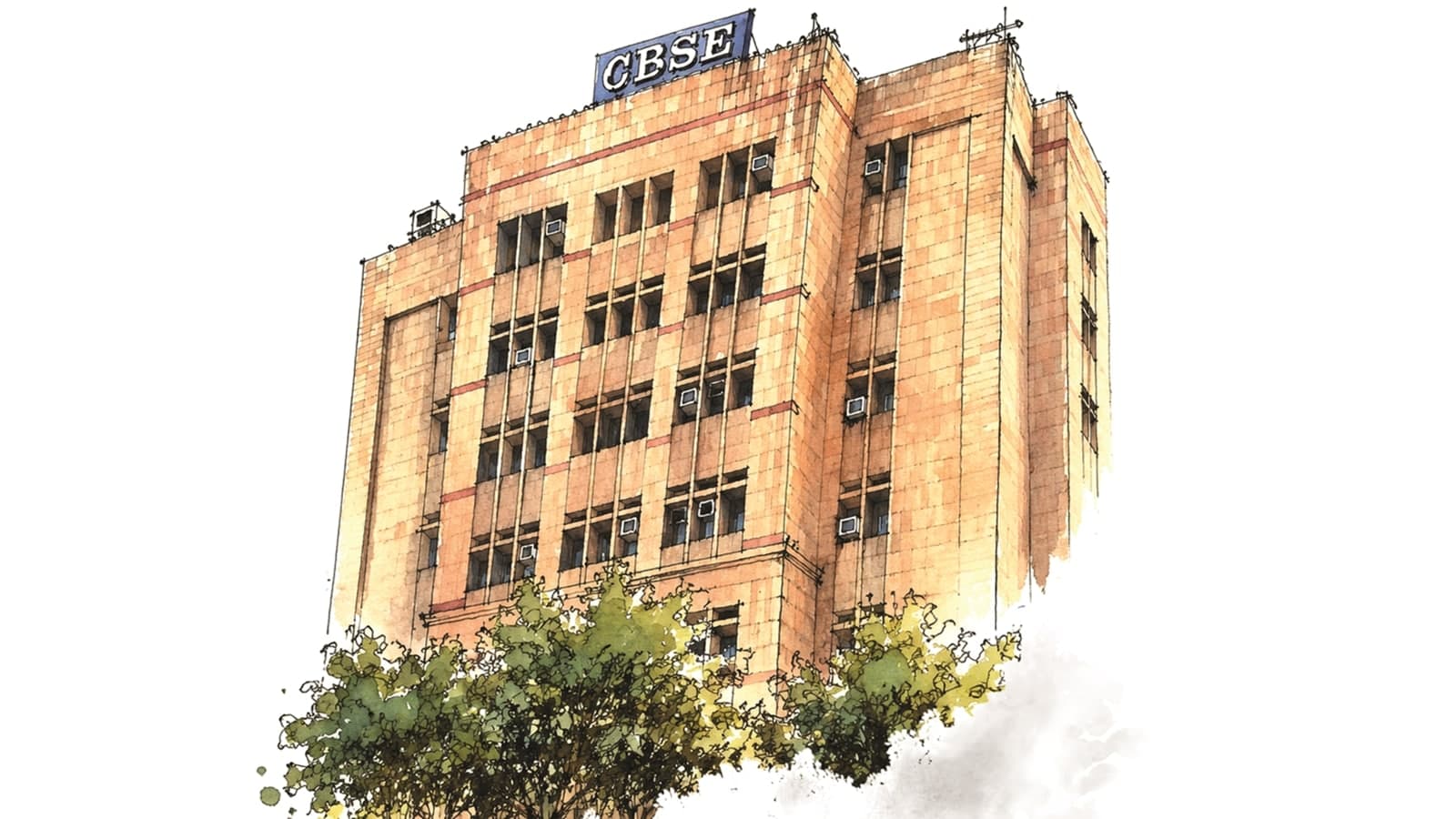
CBSE's new OSM system faces backlash as students struggle with re-evaluation. Will their futures be jeopardized by technical flaws?
Indian Express