

Image: The Hindu
Pfizer's experimental drug atirmociclib shows a 40% reduction in breast cancer progression, paving the way for new treatment opportunities. Discover more about its impact!
GlipzoOn March 18, 2026, Pfizer announced promising results from a mid-stage trial of its experimental drug atirmociclib, revealing that it significantly reduces the risk of disease progression or death in breast cancer patients. The findings indicate a 40% decrease in the likelihood of disease worsening, paving the way for further testing in earlier stages of breast cancer treatment.
The combination therapy, which includes atirmociclib alongside fulvestrant, a hormone therapy, was trialed on patients whose cancer had metastasized after previous treatments. This study is particularly significant as it targets individuals whose cancer reappeared shortly after utilizing commonly prescribed CDK4/6 inhibitors, a group that typically presents a tougher challenge for oncologists.
The primary goal of this trial was to assess the effectiveness of atirmociclib compared to established treatments, specifically fulvestrant or a combination of everolimus and exemestane. The latter regimen is frequently used for postmenopausal women suffering from the most prevalent types of breast cancer. Pfizer's results are particularly noteworthy as they suggest that the new combination could offer longer-lasting control over the disease, potentially benefiting a larger cohort of patients.
In this pivotal trial, Pfizer reported that over 90% of participants began treatment with atirmociclib within three months after their last cancer medication. This rapid initiation is crucial for improving patient outcomes. Furthermore, the safety profile of the drug appears manageable, with only 6.4% of patients discontinuing treatment due to side effects, suggesting a favorable tolerance among patients.
While these findings are promising, Pfizer cautioned that overall survival data is still in the early stages, and firm conclusions cannot yet be drawn. This acknowledgment emphasizes the need for continued research and monitoring as the study progresses.
Pfizer is optimistic about the potential of atirmociclib. The company stated that these results bolster their plans to explore the drug’s efficacy in earlier stages of breast cancer treatment, where longer disease control could significantly impact patient quality of life and survival rates. A large late-stage study is already in progress, focusing on newly diagnosed metastatic breast cancer patients, which may further validate the therapy's effectiveness.
The implications of Pfizer's findings could be profound for the landscape of breast cancer treatment. As breast cancer remains one of the most common and challenging cancers to treat, advancements in therapies that provide lasting control over the disease are urgently needed. With approximately 1 in 8 women diagnosed with invasive breast cancer in their lifetime, developments like atirmociclib could dramatically change the prognosis for many.
As Pfizer continues its research and trials, the medical community will be closely monitoring developments regarding atirmociclib. The ongoing studies could not only reinforce its role in advanced breast cancer treatment but also open doors for its application in earlier stages, transforming treatment protocols.
In the coming months, attention will be focused on: - Further trial results and updates from Pfizer. - The impact of new treatments on patient outcomes and survival rates. - Regulatory approvals and potential market availability of atirmociclib.
As the fight against breast cancer continues, innovations like atirmociclib represent a beacon of hope for patients and healthcare providers alike, emphasizing the importance of ongoing research and investment in cancer therapies.
The promising results from Pfizer's recent trial bring optimism to the field of oncology, particularly for those battling aggressive breast cancer. With continued exploration into atirmociclib and similar therapies, the future of breast cancer treatment may be on the verge of significant advancements that could save lives and improve patient outcomes.

Shocking findings from Nottingham's maternity unit reveal a toxic culture and alarming neglect. What can be done to improve care? Discover the details.
BBC Health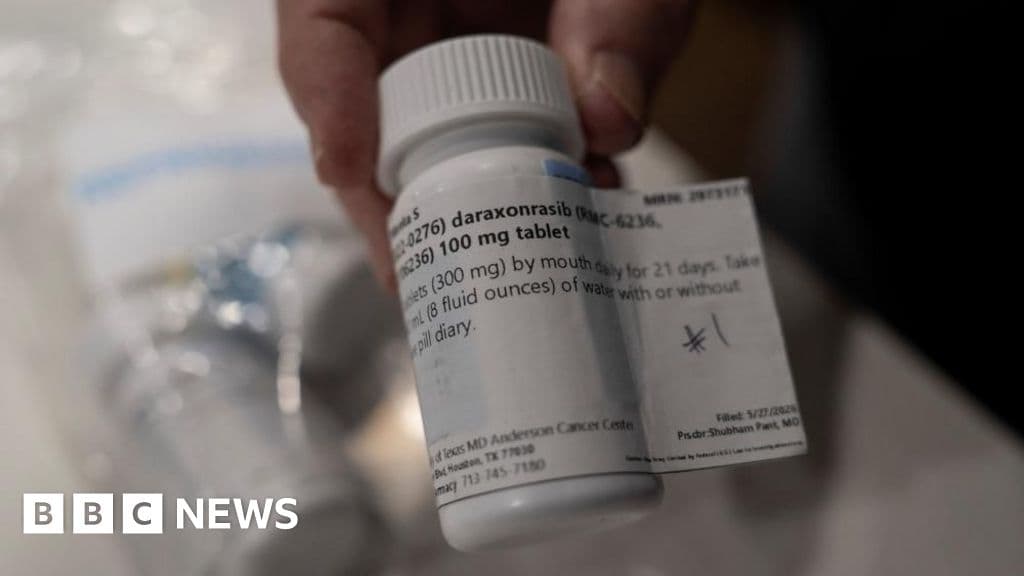
Discover how daraxonrasib, a new pill, is nearly doubling survival rates for pancreatic cancer patients, offering hope in a challenging battle against this deadly disease.
BBC Health
Waste companies propose a £5 deposit on vapes to encourage proper disposal and curb littering as the environmental impact of vapes increases.
BBC Business