

Image: TechCrunch
Patreon CEO Jack Conte criticizes AI companies' fair use claims, advocating for fair compensation for creators at SXSW. Discover why this matters.
GlipzoIn a compelling address at the South by Southwest (SXSW) conference in Austin, Jack Conte, the CEO of Patreon, raised significant concerns about the evolving relationship between artificial intelligence and creative work. While acknowledging the role of technology in reshaping various industries, Conte argued against the notion that AI companies can freely utilize creators' content under the guise of 'fair use.' Instead, he labeled this argument as 'bogus,' emphasizing the need for fair compensation for creators whose work forms the backbone of AI training models.
Conte, who founded Patreon to empower creators, expressed that he is not against AI technology. "I run a frickin’ tech company," he stated, indicating his understanding and acceptance of technological advancements. However, he firmly believes that creators should not be overlooked in the conversation about AI's impact on the industry. He pointed out that while AI companies are making multimillion-dollar deals with major rights holders, they simultaneously claim to be operating within the bounds of fair use when utilizing individual creators’ content.
During his talk, Conte highlighted a glaring inconsistency in the behavior of AI firms. He noted that these companies invest heavily in acquiring rights from established brands like Disney, Condé Nast, Vox, and Warner Music. This raises an important question: if it is indeed legal to use creators' content without compensation, why are these companies paying large sums to well-known rights holders?
Conte challenged the audience to think critically about this disparity: - Why are AI firms compensating some creators while ignoring the millions of artists, illustrators, and writers? - Why should only large corporations benefit from the wealth generated by AI using creative content?
He argued that this approach not only undermines individual creators but also threatens the very fabric of the creative economy, which relies on fair compensation and respect for artistic work.
While addressing the potential disruptions AI presents, Conte drew parallels to past technological shifts in the creative sector. Just as the transition from purchasing music on platforms like iTunes to streaming changed the landscape, he believes AI will also challenge established models of content creation and distribution. Yet, he remains optimistic about the future of creativity.
“I learned a very important thing as an artist, which is that change does not mean death. You can get back up, and you can fucking go again,” he stated, underscoring his belief in the resilience of artists in the face of disruption. This mindset reflects Conte's commitment to navigating the chaos of change while advocating for the rights and compensation of creators.
Conte's remarks extend beyond a critique of AI companies. He emphasizes the importance of valuing creativity within society, advocating for frameworks that support artists and ensure they receive fair compensation for their contributions. He stated, “When we plan for humanity’s future, we should plan for society’s artists, too, not just for their sake, but for the sake of all of us.”
This sentiment resonates deeply in a time when technology is rapidly evolving, often at the expense of individual creators. Conte's call to action urges stakeholders in the tech industry to rethink their strategies and consider the implications of their practices on the creative community.
As the conversation around AI continues, the questions raised by Conte at SXSW are likely to persist. Will AI companies begin to recognize the value of individual creators and offer compensation for their work? How will this influence the future landscape of content creation?
Conte’s closing remarks were both hopeful and inspiring, suggesting that the human touch in art and creativity is irreplaceable despite advancements in AI. “Great artists don’t play back what already exists. They stand on the shoulders of giants. They push culture forward,” he concluded, reinforcing the belief that human creativity will continue to thrive, regardless of technological advancements.
As we move forward, it will be crucial to monitor the ongoing dialogue surrounding AI, fair compensation, and the rights of creators. The future of creativity may hinge on how effectively we can adapt and advocate for a system that honors and compensates those who contribute to the rich tapestry of culture and innovation.

Commercial LPG prices have risen again, with increases of ₹42 in Delhi and ₹53.50 in Kolkata impacting businesses and consumers alike. Find out more.
Indian Express
Discover how a tragic coal mine explosion in Shanxi, China, reveals ongoing safety concerns in the industry amidst a push for green energy.
BBC Business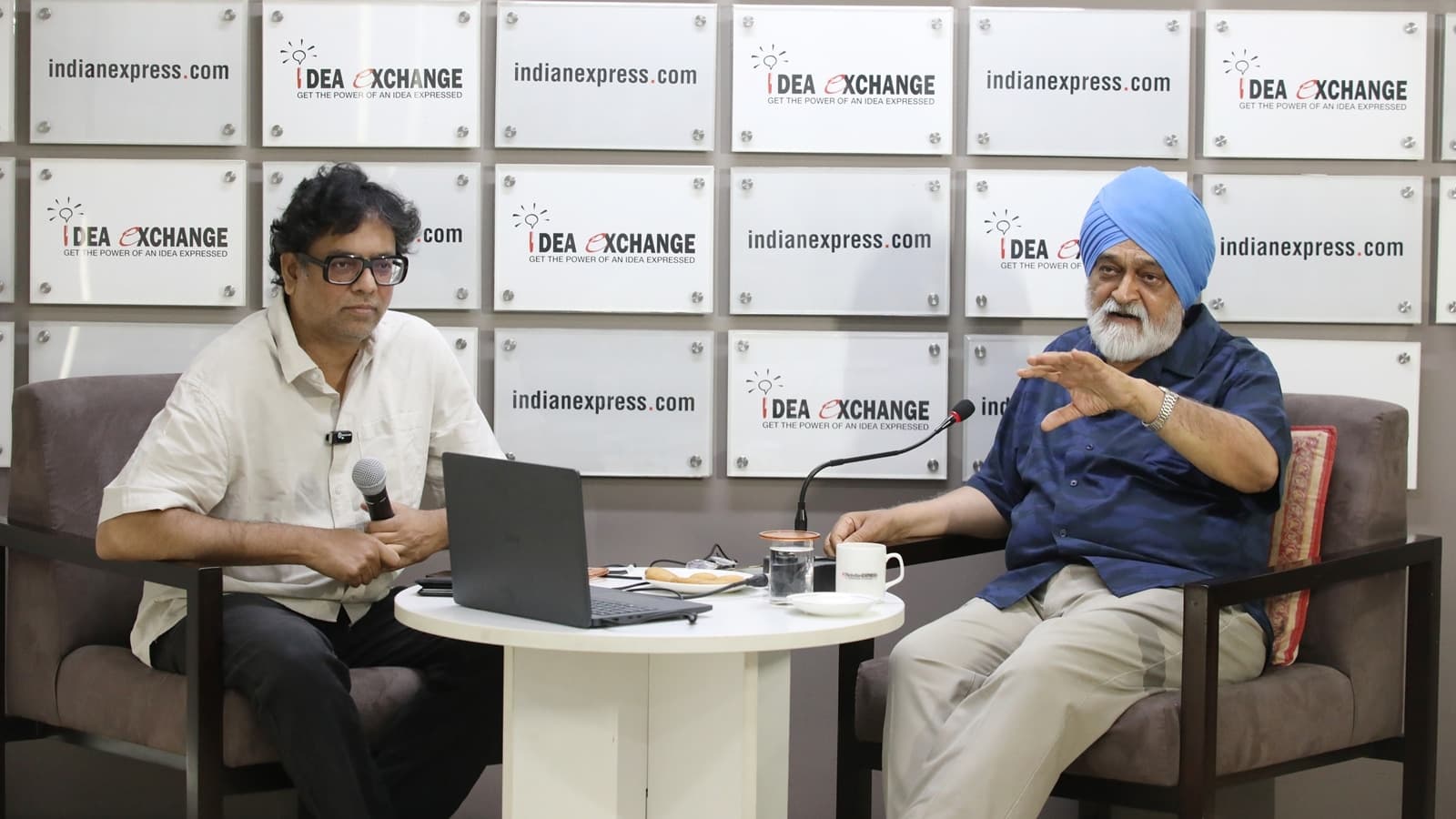
Montek Singh Ahluwalia highlights key economic challenges for India, emphasizing the need for a strategic approach to balance payments and investment.
Indian Express