

Image: Science Daily
New research reveals Ozempic's potential to reduce depression, anxiety, and addiction risk, offering hope for a holistic approach to mental health treatment.
GlipzoRecent research has unveiled a compelling connection between GLP-1 medications, including semaglutide (marketed as Ozempic, Wegovy, and Rybelsus), and improved mental health outcomes. Conducted by a collaborative team from the University of Eastern Finland, Karolinska Institutet in Stockholm, and Griffith University in Australia, the study highlights how these drugs, typically prescribed for managing diabetes and obesity, may also play a significant role in alleviating symptoms of depression, anxiety, and even the risk of addiction.
The implications are profound, as both obesity and diabetes are known to be intertwined with a higher prevalence of mental health disorders. Simultaneously, individuals grappling with psychiatric conditions are at an increased risk of developing metabolic issues. This duality has prompted ongoing investigations into how physical health treatments might positively impact mental well-being.
In this extensive study, researchers scrutinized data from nearly 100,000 participants, with over 20,000 individuals having utilized GLP-1 medications. The data was meticulously gathered from Swedish national health registers spanning from 2009 to 2022. The results indicate that the administration of semaglutide corresponds with a significant reduction in mental health-related hospital visits and absenteeism from work due to psychological issues.
During the periods when participants were receiving semaglutide, there was a remarkable 42% decrease in the need for psychiatric care compared to times when the medication was not in use. More specifically, the risk of experiencing depression was found to be 44% lower, and the incidence of anxiety disorders was reduced by 38%.
The research also sheds light on the potential benefits of semaglutide in reducing substance use disorders. During treatment, cases requiring hospital care for substance-related issues dropped by 47%. Additionally, the study indicated a notable decline in the risk of suicidal behavior among users of GLP-1 receptor agonists.
Professor Mark Taylor from Griffith University, one of the authors of the study, emphasized that these findings were not entirely surprising. Earlier research had hinted at the positive impact of GLP-1 medications on alcohol use disorder. He stated, “Alcohol-related problems often have downstream effects on mood and anxiety, so we expected the effect to be positive on these as well.”
Despite the anticipated outcomes, the researchers were taken aback by the strength of the associations uncovered. Docent Markku Lähteenvuo, a research director at the University of Eastern Finland, noted that while this study is registry-based and does not pinpoint the exact reasons why these medications may enhance mood, the evidence is compelling. Possible explanations include: - Reduced alcohol consumption - Improved body image from weight loss - Enhanced glycemic control in diabetes - Potential neurobiological changes impacting the brain's reward system
Published in The Lancet Psychiatry, a prestigious journal in the mental health field, these results significantly strengthen the existing body of evidence regarding the relationship between GLP-1 medications and mental health. While previous studies have yielded mixed results, many were limited in scope. This robust analysis provides a clearer picture; however, researchers acknowledge that further investigations are essential to unravel the complexities of this connection fully.
The intersection of mental health and metabolic disorders is critical, especially as the rates of obesity and diabetes continue to rise globally. Understanding how medications like Ozempic can influence not only physical health but also psychological well-being opens the door for new treatment paradigms. If GLP-1 medications can effectively mitigate issues like depression, anxiety, and addiction, they could provide a holistic approach to patient care.
As we look ahead, stakeholders in healthcare should monitor ongoing research closely. Future studies may reveal additional benefits of GLP-1 medications, potentially transforming how mental health conditions are treated alongside metabolic disorders. As the medical community continues to explore this link, it is essential to keep an eye on the evolving landscape of obesity, diabetes, and mental health treatments, paving the way for improved patient outcomes across the board.

Shocking findings from Nottingham's maternity unit reveal a toxic culture and alarming neglect. What can be done to improve care? Discover the details.
BBC Health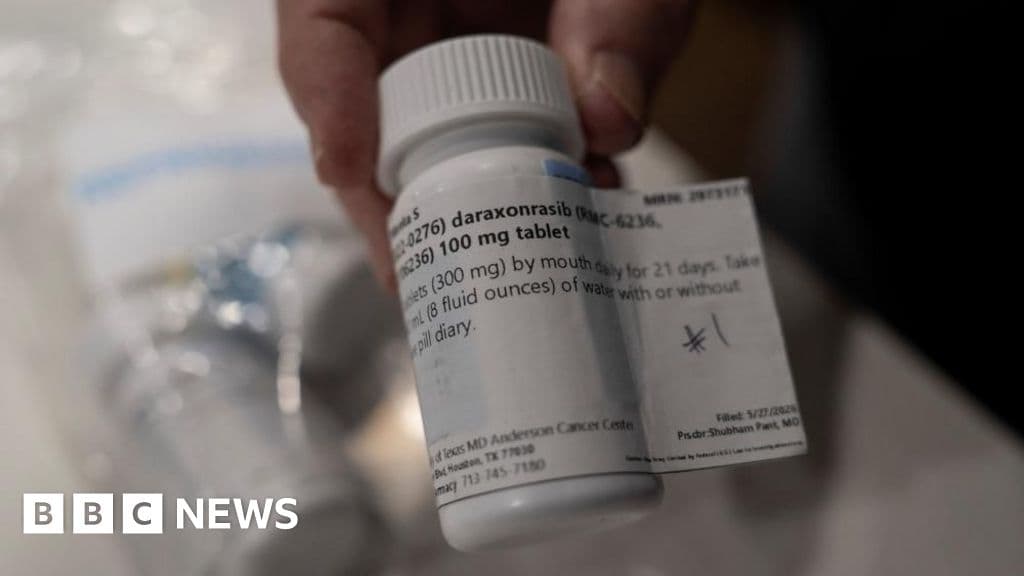
Discover how daraxonrasib, a new pill, is nearly doubling survival rates for pancreatic cancer patients, offering hope in a challenging battle against this deadly disease.
BBC Health
Waste companies propose a £5 deposit on vapes to encourage proper disposal and curb littering as the environmental impact of vapes increases.
BBC Business