
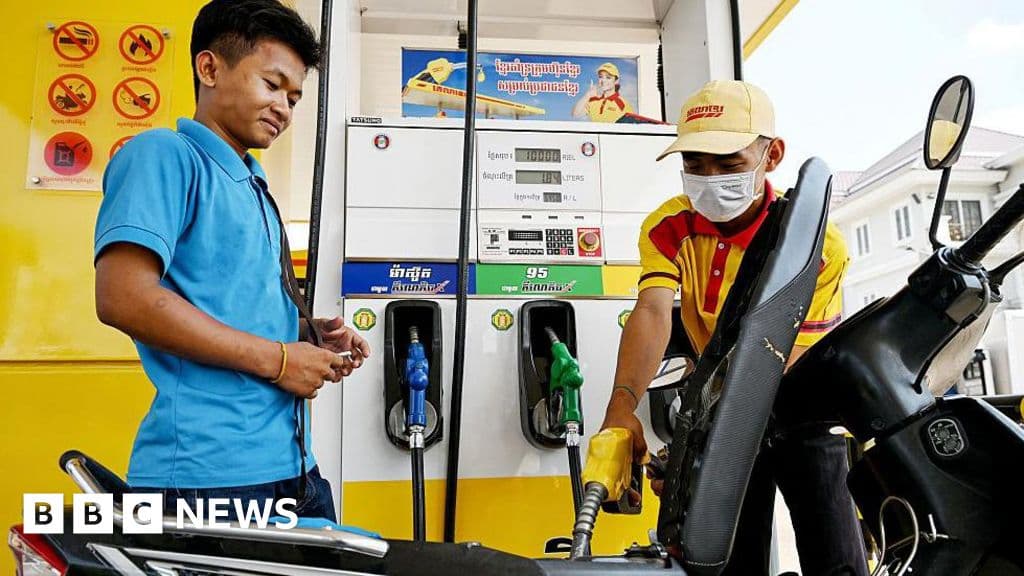
Image: BBC Business
Oil prices soar past $110 as Trump issues a stark threat to Iran over the Strait of Hormuz. What does this mean for global energy markets?
GlipzoGlobal oil prices have surged back above $110 per barrel, driven by escalating geopolitical tensions following a stark warning from US President Donald Trump regarding Iran. On Monday morning in Asia, Brent crude experienced a 1.6% increase, reaching $110.85, while US-traded oil saw a 0.8% rise, climbing to $112.40. This spike is attributed to Trump's aggressive stance concerning the Strait of Hormuz, a critical route for global energy shipments.
The tension stems from Trump's recent social media post on Sunday, where he issued a threatening message directed at Iran. He stated that the United States would target Iran's vital infrastructure unless Iran allows maritime traffic to flow freely through the Strait of Hormuz. This region is pivotal, as approximately 20% of the world’s oil supply transits through its narrow passage. Trump's rhetoric underscores the fragile state of international relations in the oil market, with far-reaching implications for global energy prices and economic stability.
In his expletive-laden message, Trump emphasized the urgency of the situation, declaring that Tuesday would be a day of reckoning for Iran’s power infrastructures, including power plants and bridges. His post read: > "Tuesday will be Power Plant Day, and Bridge Day, all wrapped up in one, in Iran. There will be nothing like it!!! Open the Fuckin' Strait, you crazy bastards, or you'll be living in Hell - JUST WATCH! Praise be to Allah. President DONALD J. TRUMP."
This kind of aggressive posturing from a sitting president raises alarms within the international community and adds a layer of uncertainty to the already volatile oil market. Following Trump’s outburst, analysts are closely monitoring the response from Tehran, which has already threatened to retaliate against any ships attempting to navigate the strait. The potential for military confrontation in such a crucial maritime zone heightens the fear of further disruptions to oil supplies and could lead to inflationary pressures worldwide.
The Strait of Hormuz is a strategic chokepoint through which massive amounts of oil flow from the Middle East to global markets. Disruptions in this region could signal serious repercussions not only for oil prices but also for the global economy as a whole. Here’s what you need to consider: - 20% of the world’s oil passes through the Strait, making it vital for energy stability. - Any military action could lead to a global supply crisis, pushing prices even higher. - Increased oil prices could contribute to rising inflation, impacting consumer goods worldwide.
As tensions flare, shipping routes are being scrutinized, and traders are bracing for potential fallout. The stakes are particularly high given the recent US and Israeli airstrikes against Iranian positions, which have prompted Tehran’s threats against vessels in the area.
Trump has previously postponed deadlines for Iran to cease its threats, yet his latest statements on Truth Social reiterate his uncompromising stance. A few hours after his initial post, he mentioned a specific time for action, underscoring the urgency of the situation: > "Tuesday, 8:00 P.M. Eastern Time!"
In an interview with Fox News, Trump hinted at a potential agreement but did not shy away from the possibility of drastic measures if negotiations falter. He stated that there’s a “good chance” of reaching a deal but also entertained the notion of “blowing everything up and taking over the oil” if diplomatic efforts do not yield results.
The current escalation in rhetoric and military threats from the United States towards Iran is more than just a political squabble; it has significant implications for global oil markets and the economy. As the situation develops, several key factors will be crucial to watch: - International Response: How will other countries react to Trump's threats? Will they support additional sanctions or military actions? - Iran’s Actions: Tehran's next steps could either escalate the situation or lead to a diplomatic resolution. - Market Reactions: Traders will be keeping a close eye on oil prices and any potential disruptions in shipping routes.
As the world watches this situation unfold, the potential for higher energy prices looms large, impacting everything from fuel costs to daily consumer expenses. The unfolding drama between the US and Iran may very well dictate the economic landscape for months to come, keeping both investors and consumers on edge. Stay tuned for updates as this story develops further.
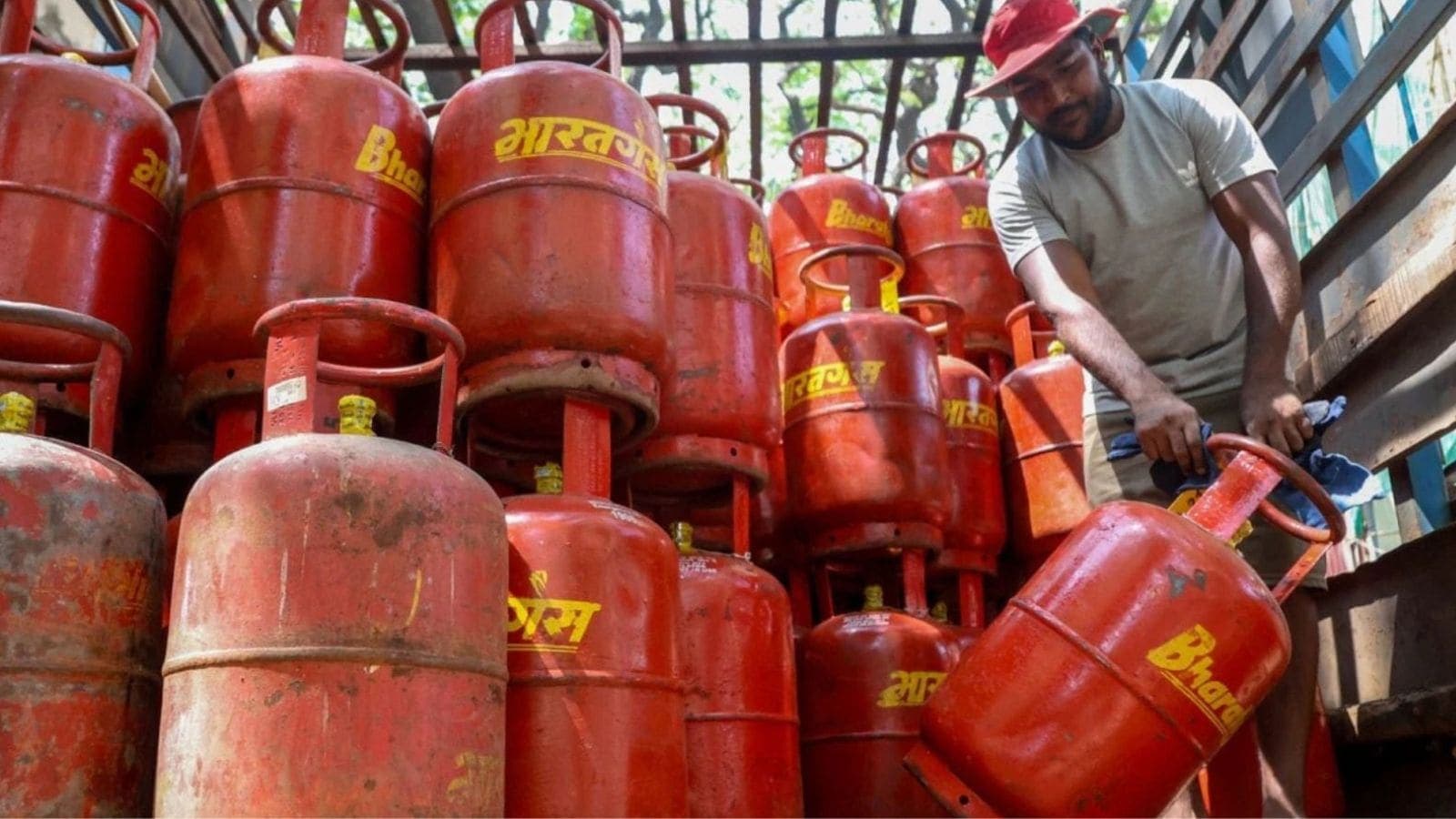
Commercial LPG prices have risen again, with increases of ₹42 in Delhi and ₹53.50 in Kolkata impacting businesses and consumers alike. Find out more.
Indian Express
Discover how a tragic coal mine explosion in Shanxi, China, reveals ongoing safety concerns in the industry amidst a push for green energy.
BBC Business
Montek Singh Ahluwalia highlights key economic challenges for India, emphasizing the need for a strategic approach to balance payments and investment.
Indian Express