
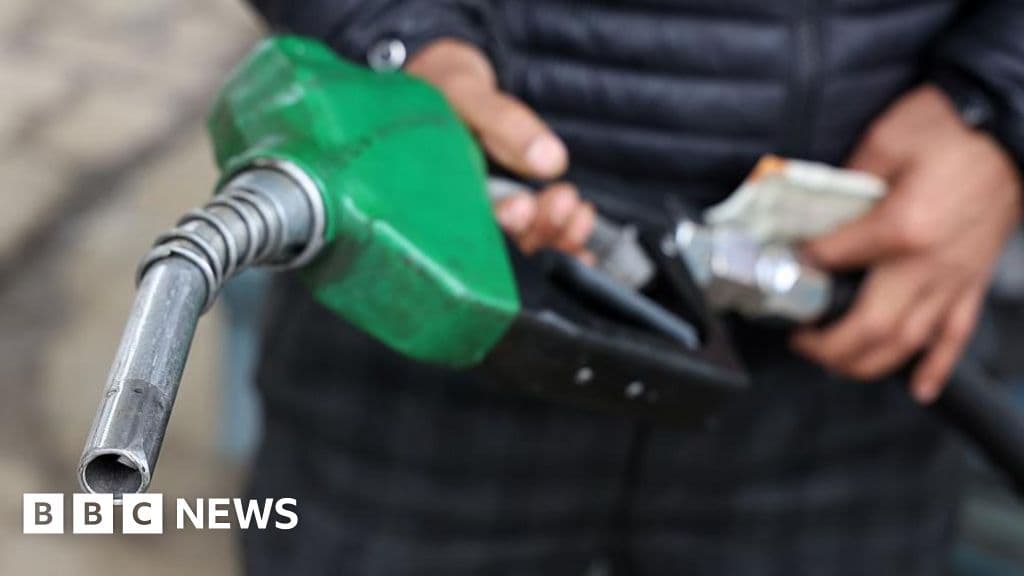
Image: BBC Business
Oil prices have surged past $100 a barrel after US-Iran talks collapse, prompting fears of a deepening global energy crisis. Discover the implications.
GlipzoIn a significant turn of events, oil prices surged beyond $100 a barrel as trading resumed in Asia on Monday. This spike came in the wake of failed negotiations between the United States and Iran, which left many analysts and market observers worried about the potential ramifications for global energy supplies. The discussions, aimed at reaching an agreement over Iran's nuclear program, ended without a deal, prompting former President Donald Trump to announce a blockade of Iranian ports.
As a result of this geopolitical tension, the global benchmark Brent crude saw an increase of 8.5%, reaching $102.37 per barrel, while West Texas Intermediate (WTI) rose by 9%, hitting $105.34. This sudden rise in oil prices is a stark reminder of how delicate the balance of energy markets can be, especially in the face of political uncertainty.
The collapse of talks over the weekend has intensified worries that the ongoing global energy crisis could worsen. Just last Wednesday, the price of oil had dipped below $100 following an agreement between Washington and Tehran for a conditional two-week ceasefire, which included the reopening of the Strait of Hormuz, a crucial maritime trade route for oil shipments.
The situation underscores the intricate connection between international diplomacy and energy prices. Here are some key points to consider: - Increased Volatility: Oil markets are highly sensitive to geopolitical events, and the lack of a deal could lead to increased price volatility. - Market Reactions: Traders are reacting swiftly to news, causing sharp price fluctuations as they recalibrate their expectations for future supply and demand. - Long-term Implications: A prolonged standoff could mean higher prices for consumers and businesses, affecting everything from fuel costs to the price of goods and services.
The failure of the US-Iran negotiations is not merely a fleeting issue; it has deep roots in a complex history marked by mistrust and hostility. The nuclear deal, formally known as the Joint Comprehensive Plan of Action (JCPOA), was originally established to curb Iran's nuclear ambitions in exchange for economic relief. However, the US withdrawal from the agreement in 2018 under the Trump administration led to renewed sanctions and escalated tensions.
As the ongoing conflict over Iran’s nuclear program continues, it is likely that oil prices will remain volatile. Traders are acutely aware that any escalation in tensions or conflict could lead to significant disruptions in oil supply, particularly through vital shipping lanes.
Looking ahead, the implications of the stalled US-Iran talks are profound. Market analysts warn that the current trajectory could lead to further price increases in the near future. If tensions escalate or if Iran retaliates against sanctions, we could see oil prices soar even higher.
Consumers and businesses should prepare for potential increases in fuel costs. Here are a few things to watch for in the coming weeks: - Monitor Diplomatic Efforts: Watch for any new attempts at diplomacy or negotiations, as these could shift market expectations. - Global Supply Chain Issues: Keep an eye on how these developments impact the broader supply chain, particularly for industries reliant on oil and gas. - Alternative Energy Strategies: Companies and governments may accelerate their efforts to diversify energy sources and reduce reliance on oil.
Understanding the fluctuations in oil prices is crucial for consumers, businesses, and policymakers alike. The ripple effects of these price changes can impact everything from household budgets to inflation rates. As geopolitical tensions continue to shape the energy landscape, staying informed will be key to navigating this complex environment.
In conclusion, the recent spike in oil prices following the US-Iran negotiations highlights the fragility of global energy markets, and it serves as a reminder of the intricate ties between politics and economics. The situation remains fluid, and watching how these developments unfold will be essential for anticipating the future of energy costs.
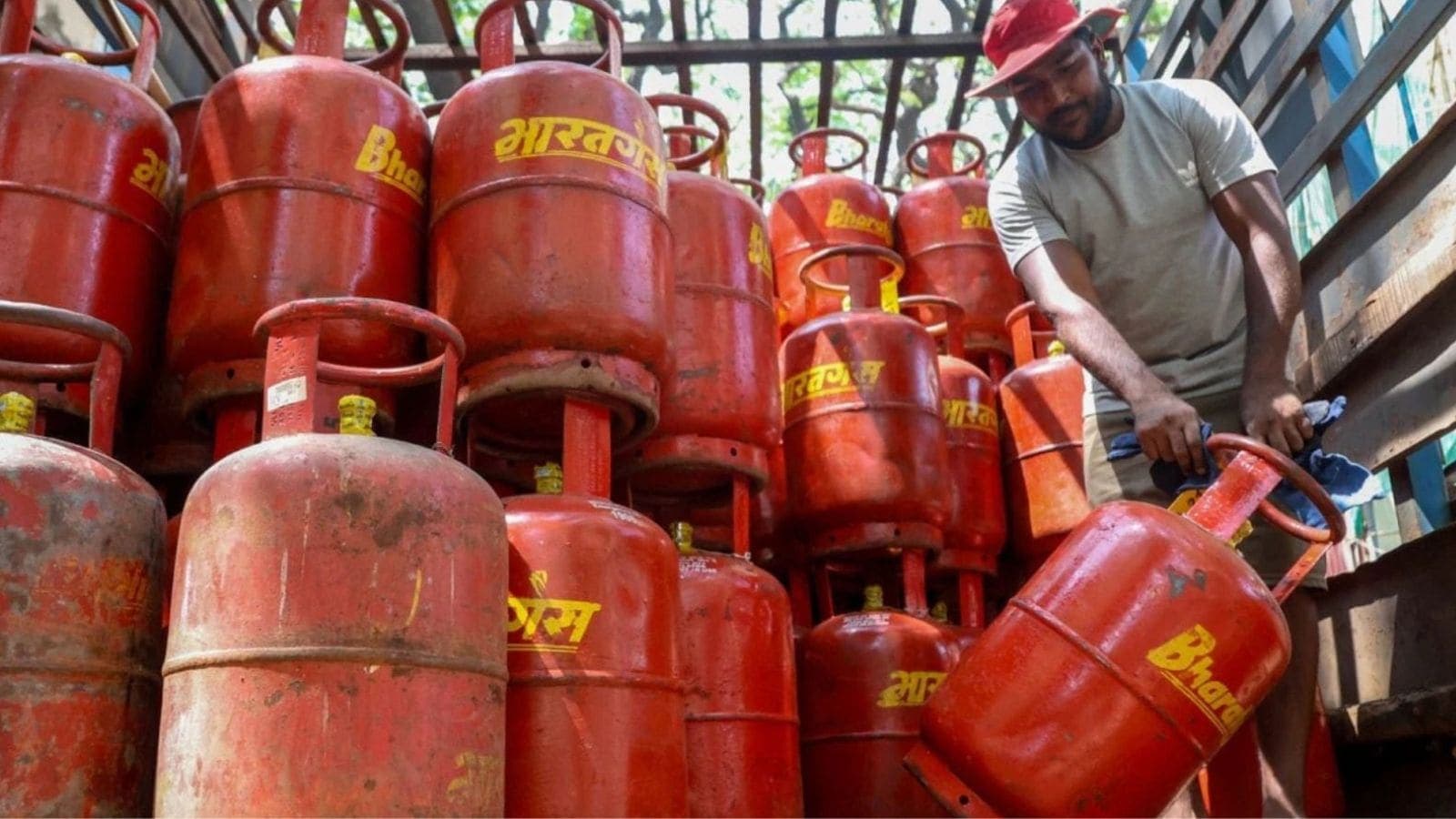
Commercial LPG prices have risen again, with increases of ₹42 in Delhi and ₹53.50 in Kolkata impacting businesses and consumers alike. Find out more.
Indian Express
Discover how a tragic coal mine explosion in Shanxi, China, reveals ongoing safety concerns in the industry amidst a push for green energy.
BBC Business
Montek Singh Ahluwalia highlights key economic challenges for India, emphasizing the need for a strategic approach to balance payments and investment.
Indian Express