
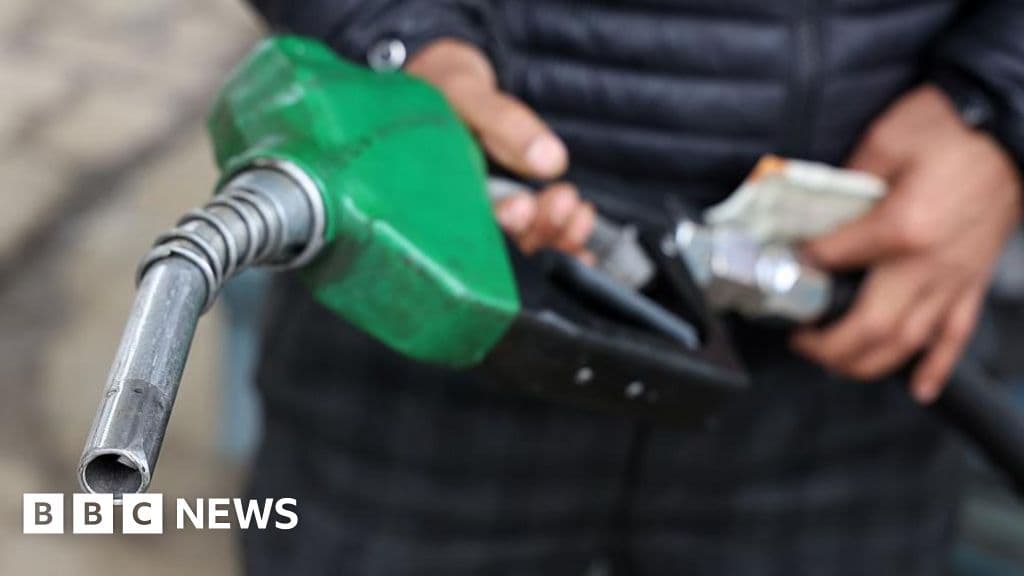
Image: BBC Business
Oil prices surge above $100 after US-Iran talks collapse. Discover the implications for the global energy crisis and what comes next.
GlipzoIn a dramatic turn of events, oil prices soared above $100 per barrel as trading resumed on Monday in Asia, following the collapse of negotiations between the United States and Iran. The talks, intended to address critical issues surrounding Iran's nuclear program and its impact on global oil supplies, ended without a new agreement, prompting former President Donald Trump to announce plans for a blockade of Iranian ports. This escalation is causing alarm among investors and energy experts alike, as it threatens to exacerbate the already precarious global energy crisis.
The global benchmark Brent crude saw a substantial increase of 8.5%, reaching $102.37 per barrel, while West Texas Intermediate (WTI) climbed by 9%, hitting $105.34. These sharp increases reflect the market's reaction to the uncertainty surrounding oil supplies, particularly in the wake of geopolitical tensions in the Middle East.
The breakdown of talks between the US and Iran has raised significant concerns about the stability of oil prices and supply chains. The negotiations were critical as they aimed to potentially lift sanctions on Iran in exchange for curtailing its nuclear activities. The failure to reach an agreement means that the prospect of increased Iranian oil production, which could have eased the current pressures on global oil supplies, remains elusive.
Just last week, oil prices had dipped below $100 per barrel after the US and Iran tentatively agreed to a conditional two-week ceasefire deal. This agreement included the reopening of the vital Strait of Hormuz, a key maritime route through which a substantial portion of the world's oil is transported. With the latest developments, however, the possibility of renewed tensions looms large, further complicating the situation for oil markets globally.
The implications of the stalled negotiations are profound. With oil prices surging, several factors are likely to contribute to a deepening energy crisis:
As the energy market reacts to these developments, analysts are closely monitoring the situation and adjusting their forecasts accordingly. Investors are bracing for a period of volatility as geopolitical tensions continue to shape market dynamics.
As the situation unfolds, several key factors will be critical in determining the trajectory of oil prices and the overall energy landscape:
In conclusion, the failure of the US-Iran talks has ignited renewed fears about energy security and price stability in the oil market. With prices now firmly above the $100 mark, the world watches closely as these developments unfold, understanding the potential ramifications for the global economy and energy consumers alike. The urgency of the situation cannot be overstated, and the coming weeks will likely be pivotal in determining the future direction of oil prices and geopolitical stability in the region.
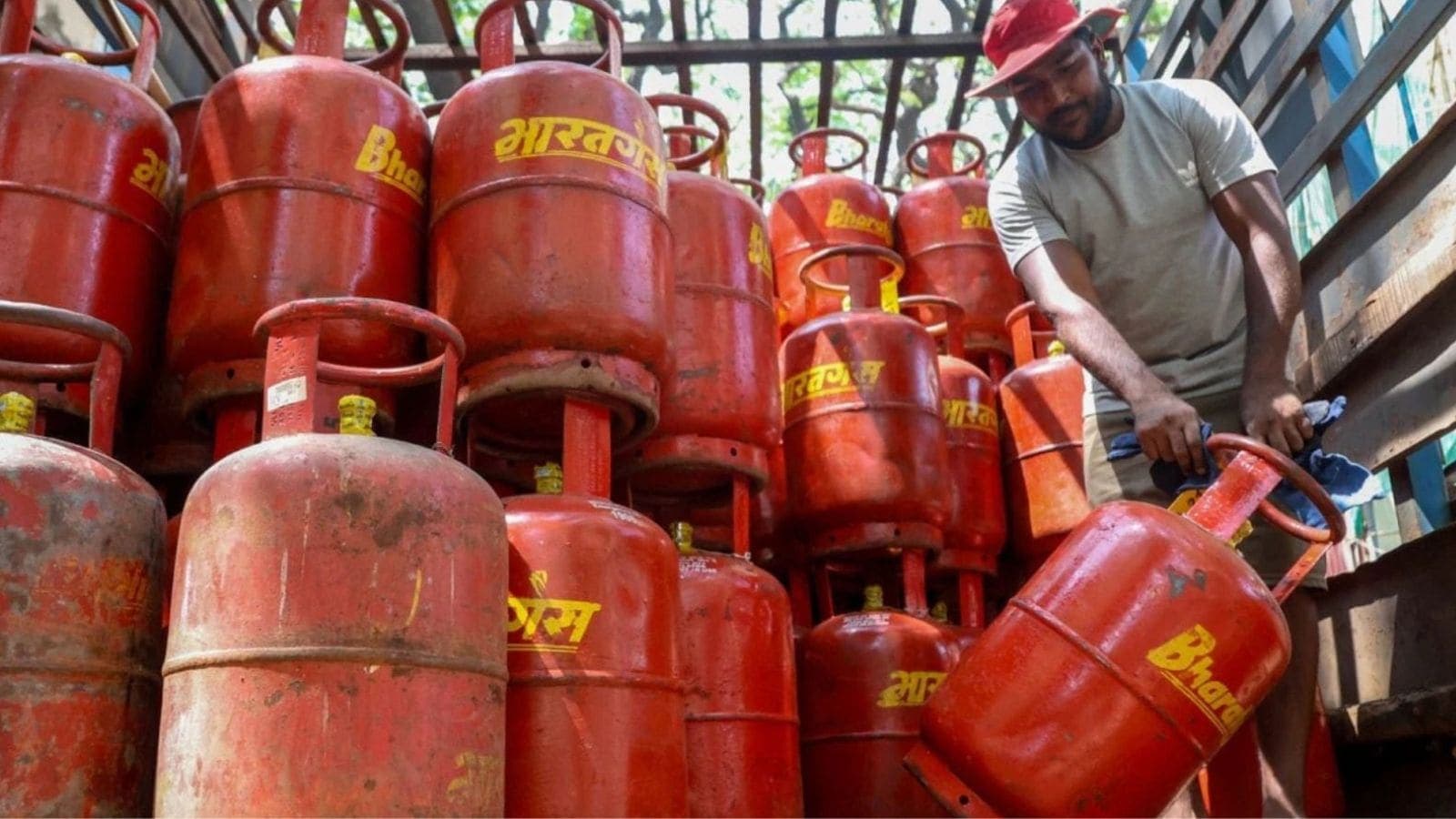
Commercial LPG prices have risen again, with increases of ₹42 in Delhi and ₹53.50 in Kolkata impacting businesses and consumers alike. Find out more.
Indian Express
Discover how a tragic coal mine explosion in Shanxi, China, reveals ongoing safety concerns in the industry amidst a push for green energy.
BBC Business
Montek Singh Ahluwalia highlights key economic challenges for India, emphasizing the need for a strategic approach to balance payments and investment.
Indian Express