
Image: BBC World
Oil prices nearly hit $110 a barrel following an airstrike on Iran's gas field. What does this mean for global energy security? Click to find out more.
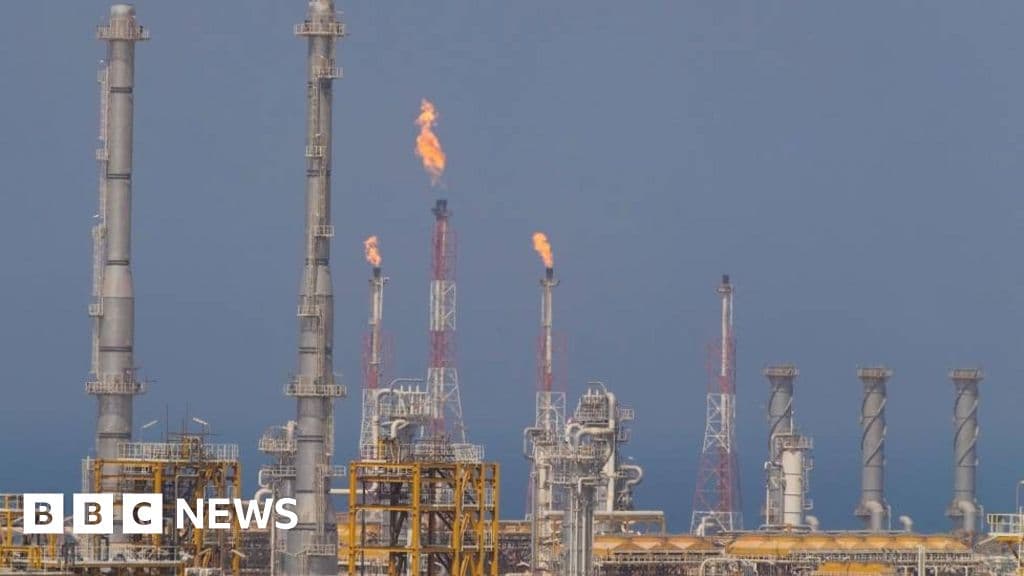
GlipzoIn a recent development shaking the global energy market, oil prices surged to nearly $110 a barrel following reports of an airstrike targeting a facility on the world's largest natural gas field. According to Iranian media, the incident occurred at the South Pars gas field, a key asset for both Iran and Qatar, further escalating tensions in an already volatile region.
As of 14:30 GMT, the Brent crude oil benchmark reached $109.91, representing a staggering increase of more than 5% compared to Tuesday's prices. This rise underscores the fragility of the energy market, with oil remaining above the $108 mark.
The UK gas price also experienced a sharp increase, rising by 6% to 143.53p a therm before settling back below 140p. Despite these spikes, it is important to note that current prices are still below the peaks witnessed earlier in the ongoing conflict.
The surge in oil and gas prices follows a report from Tasnim, a news agency associated with the Islamic Revolutionary Guard Corps (IRGC), claiming that Iran’s petrochemical complex on the South Pars gas field was hit. While the Iranian oil ministry stated that the fire at the complex was under control, the full extent of the damage remains shrouded in uncertainty.
In a response that signals potential escalation, Iran's military issued a warning, vowing to take decisive action against any aggressors targeting its energy infrastructure. They stated, "As previously warned, if the fuel, energy, gas, and economic infrastructures of our country are attacked by the American-Zionist enemy, we will retaliate strongly at the earliest opportunity."
The implications of this incident extend beyond regional tensions. Qatar, which shares the gas field and is a significant player in the liquefied natural gas (LNG) market, previously halted production in early March due to the ongoing conflict. Majed Al Ansari, a spokesperson for Qatar's foreign ministry, emphasized that strikes against energy infrastructure pose a serious threat to global energy security.
Financial analysts are closely monitoring the situation. Danni Hewson, head of financial analysis at AJ Bell, commented, "The attack and retaliation by Iran have helped dial up the temperature once again and put renewed upward pressure on oil prices." Hewson further noted that any resolution to the Strait of Hormuz blockage seems distant, indicating that energy markets will likely remain volatile for the foreseeable future.
In light of soaring oil prices, the White House announced a significant policy shift by suspending the Jones Act, a law from 1920 that restricts cargo transportation between U.S. ports to American-made ships only. Karoline Leavitt, the U.S. Press Secretary, stated that the 60-day waiver of this law would enable vital resources such as oil, natural gas, fertilizers, and coal to flow more freely as non-American vessels become eligible for transport.
However, maritime groups in the U.S. have expressed skepticism about the effectiveness of this move, arguing that rising oil prices are driven more by market conditions rather than shipping costs. Previous efforts by world leaders, including unprecedented releases from oil reserves, have yielded little success in alleviating price pressures, leaving consumers to grapple with elevated prices at the pump.
In a further escalation, Iran has reportedly suspended its gas supply to Iraq as a measure to strengthen domestic reserves in response to the airstrike. A senior Iraqi official confirmed this development, highlighting that 94% of Iran's gas supply is utilized domestically, according to data from the Gas Exporting Countries Forum.
This move indicates Iran's prioritization of internal stability amid external pressures, raising questions about the future of its gas exports and regional relations. The geopolitical landscape continues to shift, and energy markets are at the mercy of these developments.
As the situation evolves, several key factors will influence the trajectory of oil and gas prices: - Iran's military response: How Iran chooses to retaliate could further destabilize the region, impacting global energy prices. - U.S. policy changes: The effectiveness of the Jones Act suspension and any additional measures from the U.S. government will play a crucial role in shaping market dynamics. - Potential resolutions: Any diplomatic efforts to ease tensions in the Strait of Hormuz or negotiations regarding Iran's energy exports could have a significant impact on prices.
In summary, the events surrounding the airstrike and the subsequent responses from Iran and the U.S. are pivotal moments for the energy market. Analysts and consumers alike will be watching closely as these developments unfold, with implications that could resonate across the globe.
Why It Matters: The volatility of oil and gas prices directly affects global economies, consumer spending, and geopolitical stability, making this situation a critical one to follow closely.
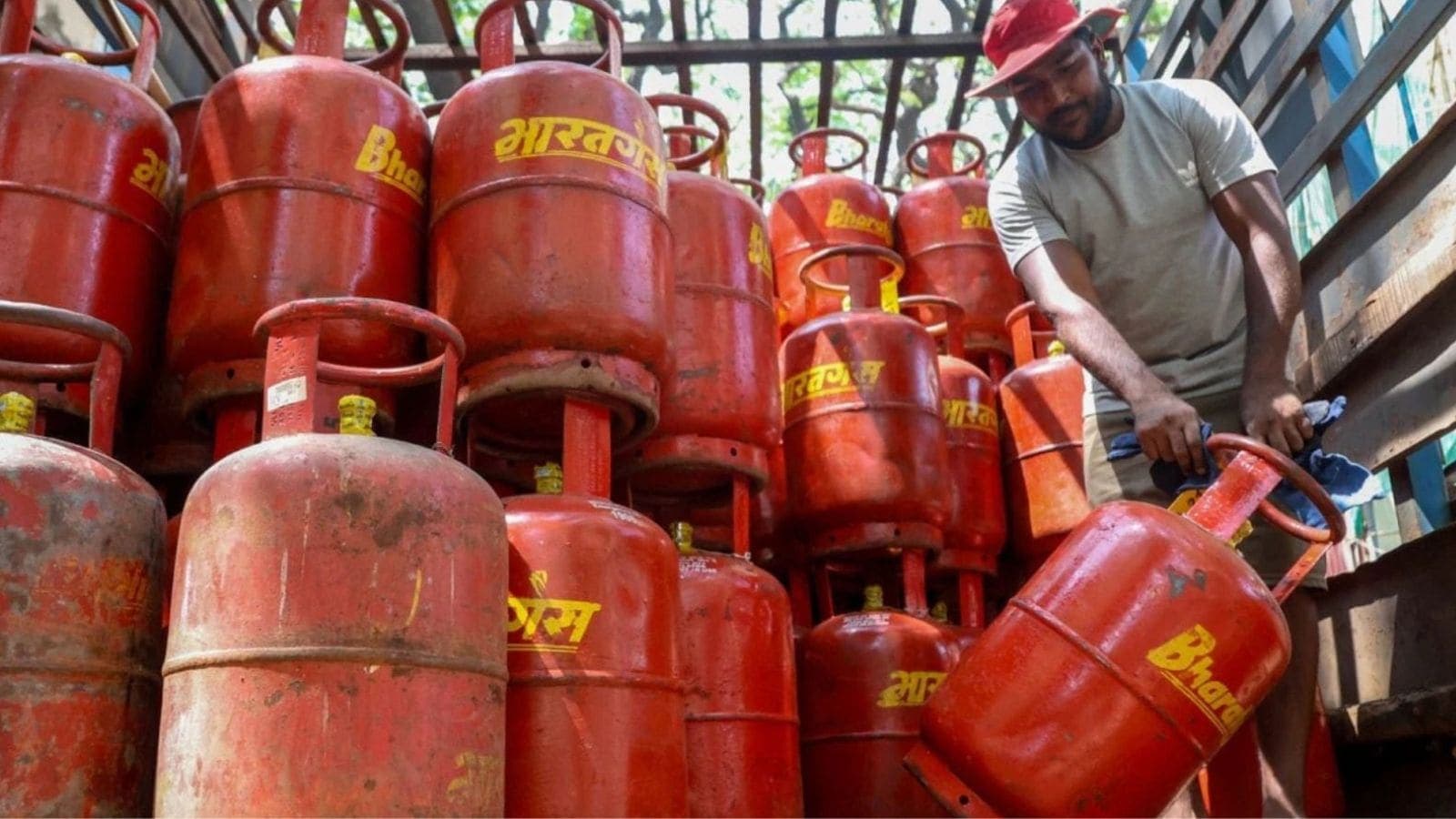
Commercial LPG prices have risen again, with increases of ₹42 in Delhi and ₹53.50 in Kolkata impacting businesses and consumers alike. Find out more.
Indian Express
Discover how a tragic coal mine explosion in Shanxi, China, reveals ongoing safety concerns in the industry amidst a push for green energy.
BBC Business
Montek Singh Ahluwalia highlights key economic challenges for India, emphasizing the need for a strategic approach to balance payments and investment.
Indian Express