
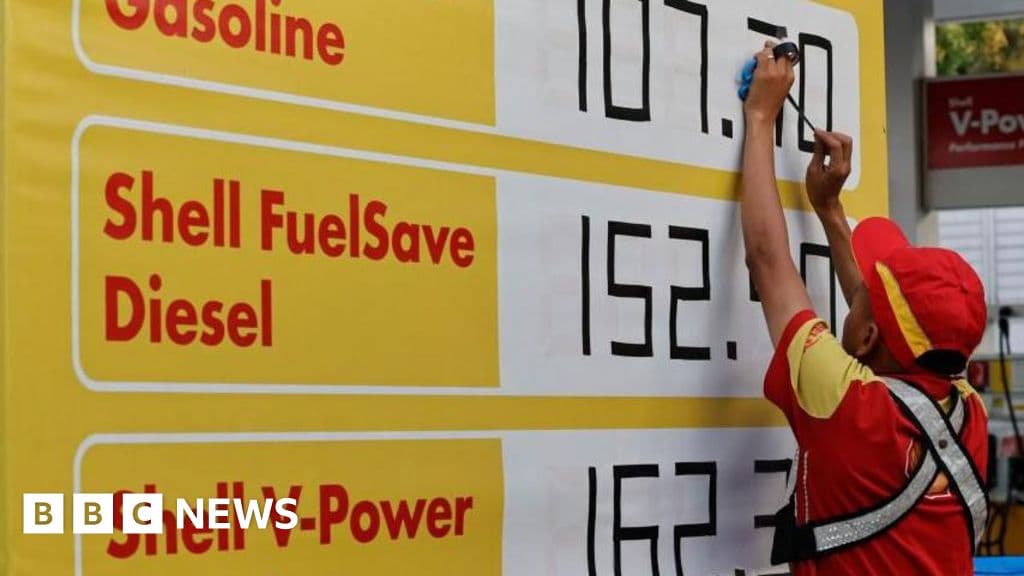
Image: BBC Business
Oil prices are rising as Trump sets a critical deadline for Iran to negotiate over the Strait of Hormuz. What's next in this energy crisis?
GlipzoGlobal oil prices saw a noticeable uptick on Tuesday afternoon in Asia, driven by escalating tensions surrounding the Strait of Hormuz. This surge comes as U.S. President Donald Trump imposed a critical deadline for Iran to negotiate terms for the vital shipping route, a key artery for global oil transportation.
The benchmark for global oil, Brent crude, experienced an increase of 1.4%, reaching $111.33 per barrel. Meanwhile, U.S.-traded oil witnessed a more significant jump, rising 2.8% to $115.61. These fluctuations indicate growing investor concerns about potential disruptions in oil supply due to the ongoing geopolitical climate.
On Monday, President Trump issued stark warnings aimed at Iran, stating he could “take out Iran ‘in one night’” if they do not reach an agreement by 8:00 PM Washington D.C. time on Tuesday (which corresponds to 12:00 AM GMT Wednesday). This bold declaration underscores the urgency and seriousness of the situation as the deadline looms.
With Iran's potential military retaliation against vessels navigating the Strait of Hormuz, oil and gas shipments from the Middle East have faced severe disruptions. These threats have been particularly pronounced following U.S. and Israeli airstrikes, which began on February 28. The geopolitical tension has created a precarious environment for energy markets worldwide.
The Strait of Hormuz is a crucial chokepoint, with approximately 20% of global oil and gas shipments passing through it. The current turmoil has raised alarms about global inflation and energy prices. Major economies in Asia, such as Japan and South Korea, are especially vulnerable due to their heavy dependence on Middle Eastern energy supplies.
Despite the ongoing tensions, some vessels have managed to transit through the strait recently; however, the volume of traffic remains significantly lower than pre-conflict levels, reflecting heightened caution among shipping companies.
In response to the escalating situation, Trump emphasized his belief that “reasonable leaders” in Iran might be negotiating in good faith. However, he acknowledged that the ultimate outcome remains uncertain. Iran has consistently rejected calls for a temporary ceasefire, insisting on a permanent resolution to the conflict and the lifting of economic sanctions imposed by the U.S.
As the clock ticks down to the deadline, analysts are attempting to gauge Trump’s true intentions. Ye Lin, a researcher at Rystad Energy, noted that the rise in oil prices signals skepticism among investors regarding the feasibility of a swift agreement. The prevailing sentiment suggests that the U.S. may find it challenging to broker a deal due to Iran's hardline position.
The disruption in shipping has prompted discussions among various nations about securing safe passage for their vessels through the Strait of Hormuz. Countries have begun negotiating with Iran to ensure that their shipping routes remain open, reflecting the strategic importance of this waterway in global trade.
Moreover, President Trump has called upon allied nations to deploy warships to the region to protect commercial shipping lanes and deter potential Iranian aggression. This move indicates a heightened military readiness, further complicating the geopolitical landscape.
As the deadline approaches and tensions escalate, the situation in the Middle East remains fluid. The international community is closely monitoring developments, with potential ramifications for global oil prices and energy security.
Investors and analysts will be watching for: - Iran’s response to Trump’s ultimatum and any subsequent military actions. - The reaction of global oil markets, particularly if shipping through the Strait of Hormuz is further hindered. - Potential diplomatic efforts from other nations seeking to mediate between the U.S. and Iran.
The unfolding scenario could significantly impact not just oil prices but also global economic stability. As stakeholders brace for potential volatility, the next few days will be critical in shaping the future of U.S.-Iran relations and the broader energy market.
In summary, the dynamics in the Strait of Hormuz and the pressing deadline set by President Trump highlight the intricate relationship between geopolitical tensions and global energy prices. As we move forward, vigilance and strategic oversight will be paramount in mitigating risks and navigating these turbulent waters.
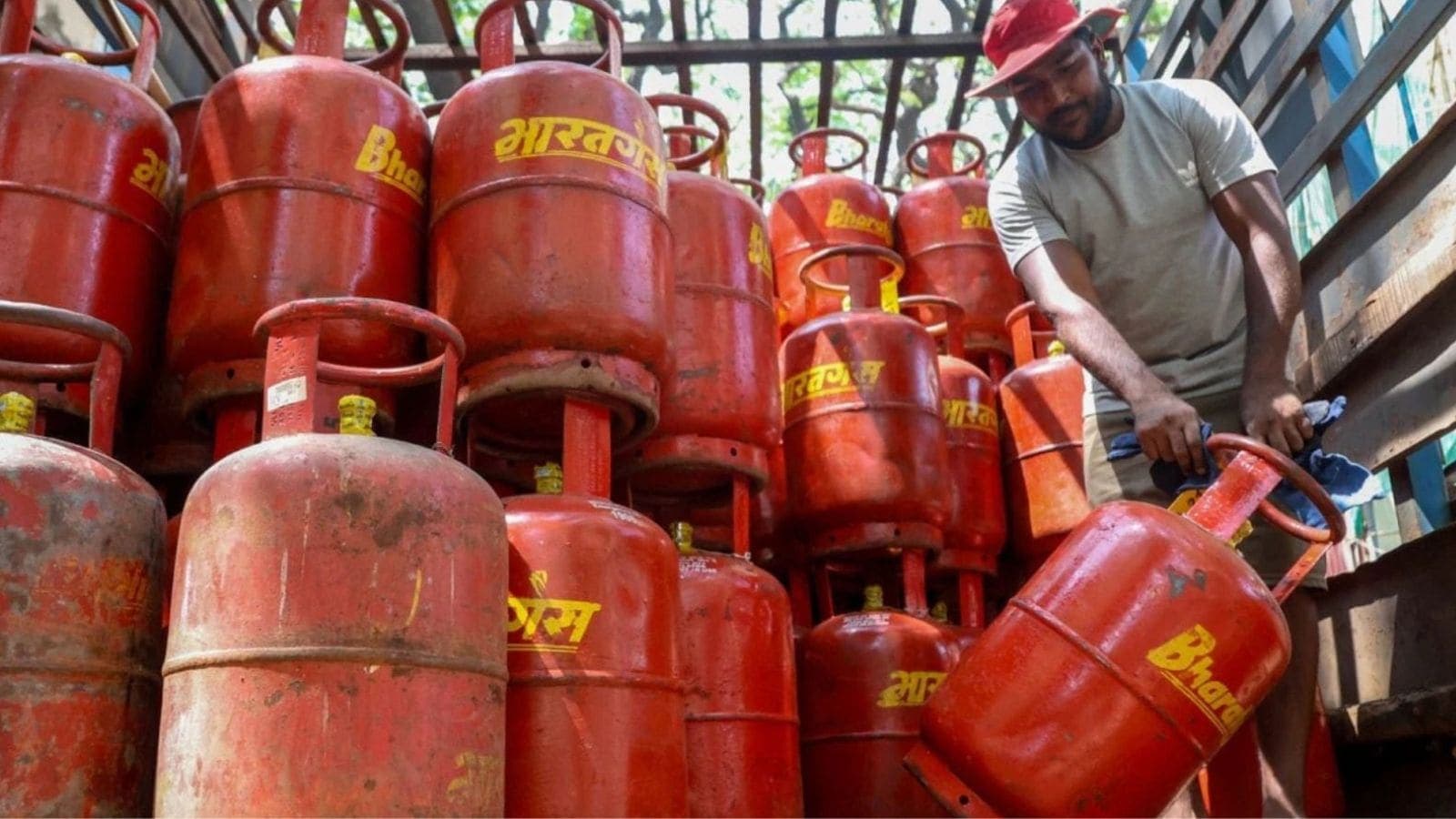
Commercial LPG prices have risen again, with increases of ₹42 in Delhi and ₹53.50 in Kolkata impacting businesses and consumers alike. Find out more.
Indian Express
Discover how a tragic coal mine explosion in Shanxi, China, reveals ongoing safety concerns in the industry amidst a push for green energy.
BBC Business
Montek Singh Ahluwalia highlights key economic challenges for India, emphasizing the need for a strategic approach to balance payments and investment.
Indian Express