
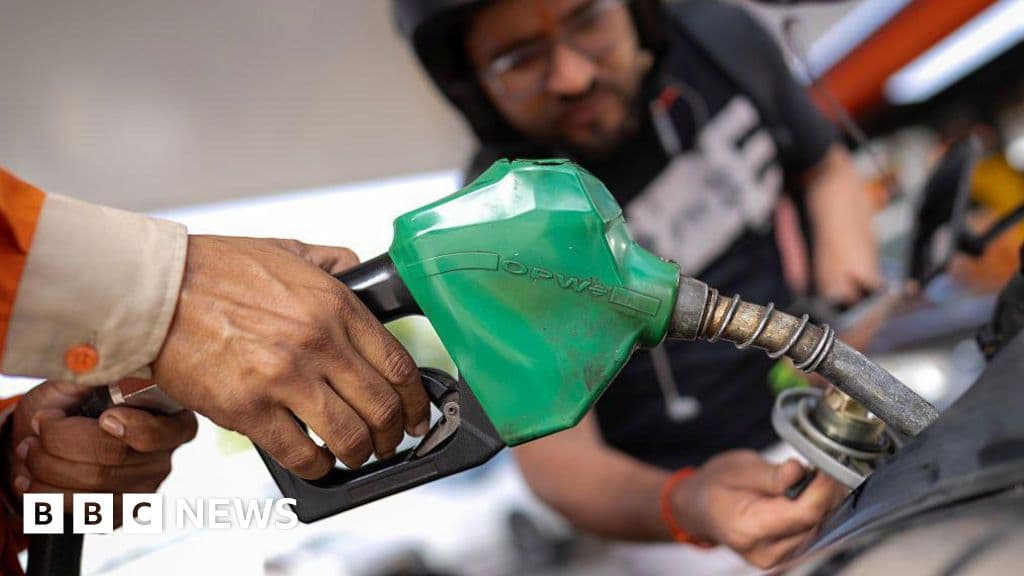
Image: BBC Business
Oil prices rise sharply as traders watch the fragile US-Iran ceasefire. How will escalating tensions impact the global economy? Find out more.
GlipzoIn the early hours of Thursday, global oil prices experienced a significant increase as traders and investors closely monitored the precarious ceasefire between the United States and Iran. This fragile peace agreement has become a focal point for market analysts, especially in light of recent military actions that have heightened tensions in the region.
The ceasefire, which is conditional and set for two weeks, is already facing challenges. The situation escalated when Israel launched a series of airstrikes on Lebanon, prompting Iran to issue a stark warning about potential repercussions. Tehran’s rhetoric suggests that any continued aggression could lead to what they termed a "regret-inducing response," intensifying fears of further conflict in an already volatile area.
The announcement of the ceasefire initially caused oil prices to drop, reflecting investor hopes for a stabilizing situation. However, the optimism was short-lived as geopolitical tensions resurfaced. Notably, the agreement also included the critical reopening of the Strait of Hormuz, an essential shipping route for oil exports, which has been under threat due to Iran's warnings against vessels attempting to traverse it.
Recent threats from Iran to retaliate against US-Israeli airstrikes have severely disrupted traffic through this vital waterway. The Strait of Hormuz is crucial for global oil supply, with approximately 20% of the world's oil passing through it. Disruptions here can have far-reaching implications on oil prices and global markets.
As a result of these developments, global benchmark Brent crude saw an increase of 3.3%, climbing to $97.90 (£73.11), while West Texas Intermediate, traded in the US, rose by 3.2% to reach $97.55. Such price fluctuations indicate a market that remains sensitive to geopolitical events, reflecting the interconnected nature of international relations and commodity trading.
This latest surge in oil prices is noteworthy, especially when considering the drastic changes since the onset of the conflict on February 28. Before the outbreak of hostilities, oil prices were significantly lower, and the escalation of military actions has caused prices to soar to levels not seen in recent years.
The current price levels highlight the market's reaction to instability in the Middle East. Analysts note that these rates are now far above pre-war figures, underscoring how quickly geopolitical tensions can impact global economics. The current landscape poses questions about the long-term sustainability of these price increases, particularly if a more stable environment emerges.
The implications of rising oil prices extend well beyond the trading floors. Higher oil prices can lead to increased costs for consumers and businesses alike, potentially slowing economic growth in various sectors. Inflation concerns might resurface as fuel prices rise, affecting everything from transportation to energy bills.
Furthermore, countries that rely heavily on oil imports could face economic challenges, while oil-exporting nations may benefit from increased revenues. This dynamic creates a complex web of economic interdependencies, where geopolitical developments in one region can influence global economic health.
As the situation continues to evolve, traders will remain vigilant on updates regarding the ceasefire and any potential escalations. Market analysts will look for signs of stability or further conflict, which will be crucial in determining the trajectory of oil prices in the coming weeks.
Key factors to watch include: - Further actions by Israel and their impact on Iranian responses - Statements from Iranian officials, particularly regarding threats to global shipping routes - Market reactions to any new developments in the ceasefire negotiations - Global demand for oil, particularly in light of potential economic slowdowns
As investors navigate these uncertainties, the oil market will remain a critical area of focus for those looking to gauge the broader economic impact of geopolitical events. Understanding the interplay between military actions and oil prices will be essential for both traders and consumers in the months to come.
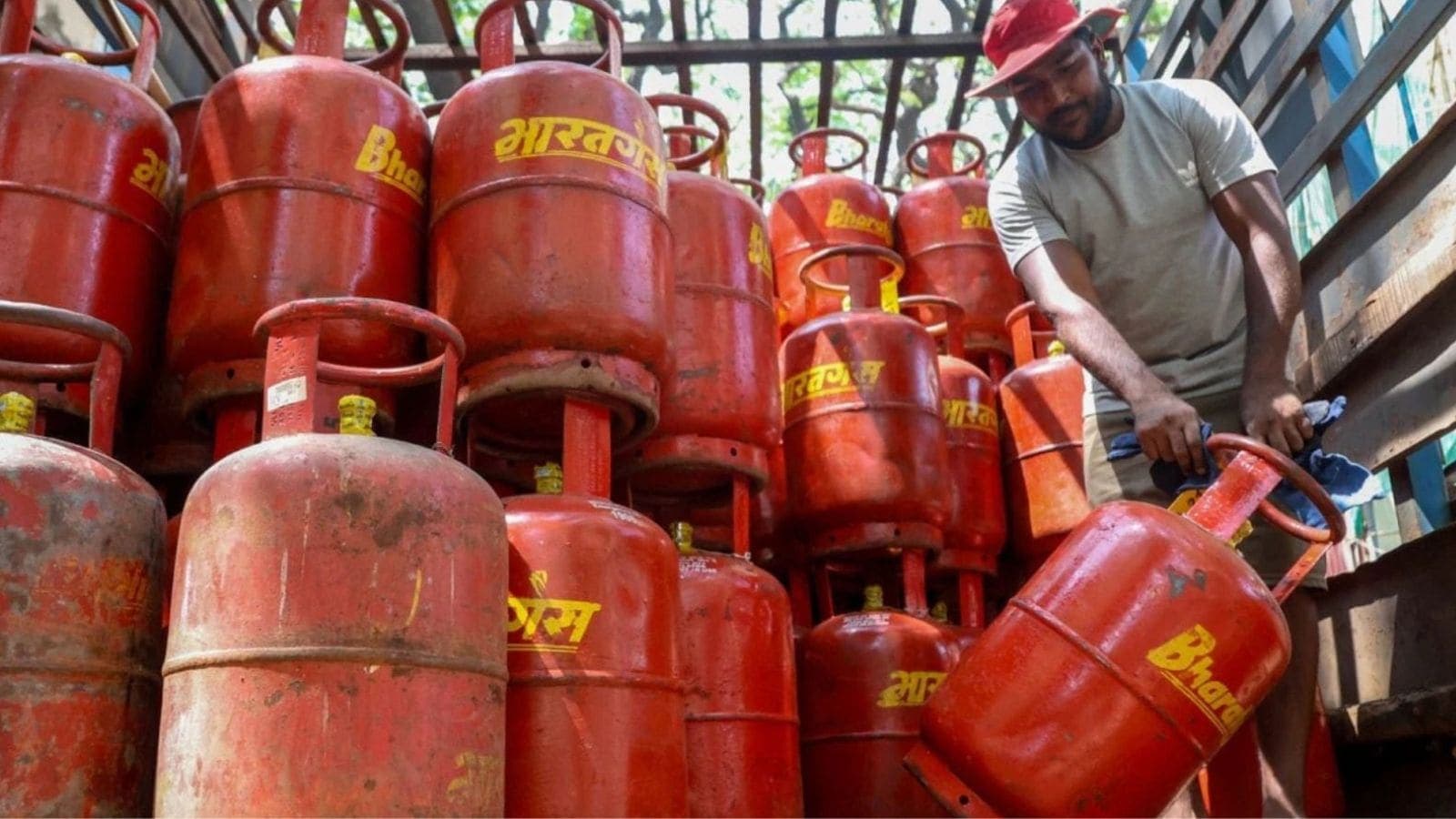
Commercial LPG prices have risen again, with increases of ₹42 in Delhi and ₹53.50 in Kolkata impacting businesses and consumers alike. Find out more.
Indian Express
Discover how a tragic coal mine explosion in Shanxi, China, reveals ongoing safety concerns in the industry amidst a push for green energy.
BBC Business
Montek Singh Ahluwalia highlights key economic challenges for India, emphasizing the need for a strategic approach to balance payments and investment.
Indian Express