

Image: The Hindu
Oil prices dropped over $2 per barrel as Iraq and Kurdish authorities agreed to resume exports via Turkiye, providing temporary relief amid ongoing tensions.
GlipzoIn a notable turn in the global oil market, oil prices saw a decline of over $2 per barrel on March 18, 2026. This drop comes after an agreement was reached between the Iraqi government and Kurdish authorities to resume oil exports through Turkiye's Ceyhan port. This news provided some much-needed relief to market participants who have been grappling with supply concerns stemming from ongoing geopolitical tensions in West Asia.
The Brent crude oil prices, which had surged more than 3% the previous day, fell by $2.26 or 2.19% to settle at $101.16 per barrel by 0429 GMT. Similarly, the U.S. benchmark, West Texas Intermediate (WTI), experienced a decline of $2.99 or 3.11%, bringing prices down to $93.22. These fluctuations highlight the volatile nature of oil prices, driven by both market dynamics and geopolitical events.
Iraq's Oil Minister Hayan Abdel-Ghani announced that oil flows from the Ceyhan port were expected to recommence at 07.00 GMT on Wednesday. Reports indicate that the country aims to pump at least 100,000 barrels per day through the port, providing a glimmer of hope to oil markets that have faced significant disruptions.
Analyst Anh Pham from LSEG remarked on the situation, stating, "The news provided some relief to the market. Any additional volume finding its way back to the market is valuable under the current situation, so prices moved down to reflect that." However, he cautioned that the market remains in a $100 per barrel oil environment, and ongoing tensions around the Strait of Hormuz continue to loom large.
Despite the positive news regarding oil exports, the broader context remains troubling, particularly due to the Iran conflict. Recent reports indicate that oil production from Iraq's primary southern oilfields has plummeted by 70%, leaving output at a mere 1.3 million barrels per day. This drastic reduction is attributed to the conflict, which has effectively paralyzed oil exports through the vital Strait of Hormuz, a passage through which approximately 20% of global oil flows.
Tensions escalated on March 17 when Iran confirmed the death of security chief Ali Larijani in an Israeli strike, marking a significant moment in the ongoing U.S.-Israeli conflict that began in late February. The U.S. military has since targeted Iranian coastal positions, citing the risk posed by Iranian anti-ship missiles to international shipping.
The market reaction to these events has been mixed, with some experts suggesting that Larijani's death and U.S. military actions could lead to a quicker resolution of the conflict. Mingyu Gao, chief researcher for energy and chemicals at China Futures, noted that these developments raised hopes for an end to the hostilities. Yet, despite the optimism, the underlying risks in the region remain substantial.
In addition to geopolitical tensions, U.S. oil inventory levels have been fluctuating. Recent data from the American Petroleum Institute (API) indicated that U.S. crude stocks increased by 6.56 million barrels for the week ending March 13. A Reuters poll suggested a more modest rise of around 380,000 barrels during the same period, indicating a complex picture in terms of supply and demand.
The current situation underscores the fragility of global oil markets, where geopolitical developments can lead to rapid price fluctuations. The resumption of oil exports from Iraq may provide temporary relief, but the ongoing tensions in the region, particularly involving Iran, cast a long shadow over future price stability. With Brent crude prices hovering around the $100 mark, any additional disruptions could have significant implications for economies dependent on oil imports.
Looking ahead, investors and market analysts will be closely monitoring several key factors: - The effectiveness and reliability of the resumed oil exports from Iraq. - The geopolitical landscape surrounding Iran and the Strait of Hormuz. - The response of U.S. crude oil inventories and production levels. - Ongoing developments in the U.S.-Israeli conflict and its broader implications.
As the situation evolves, oil prices will remain a critical indicator of global economic health and stability, requiring vigilance from all stakeholders involved in the energy sector.
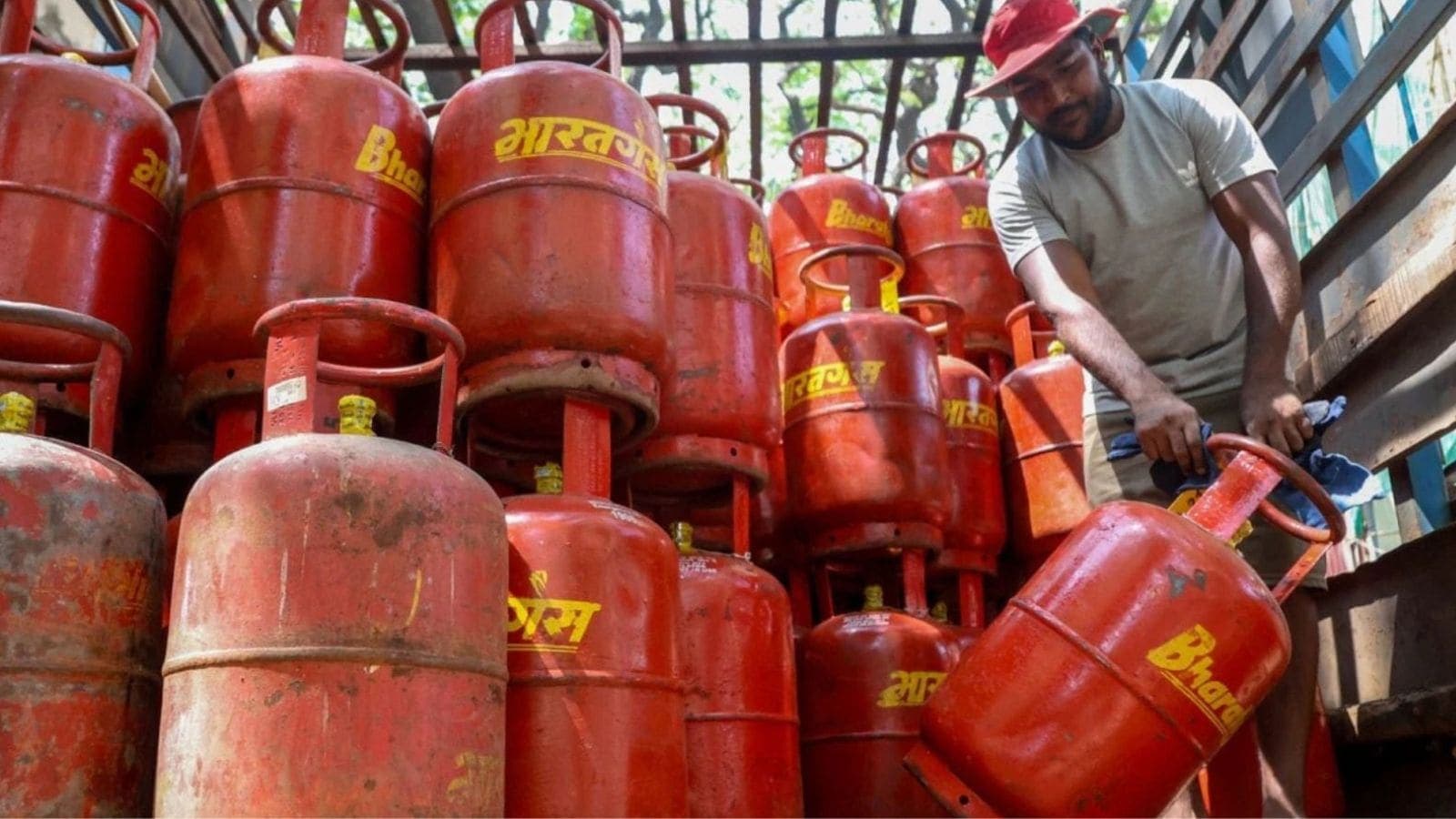
Commercial LPG prices have risen again, with increases of ₹42 in Delhi and ₹53.50 in Kolkata impacting businesses and consumers alike. Find out more.
Indian Express
Discover how a tragic coal mine explosion in Shanxi, China, reveals ongoing safety concerns in the industry amidst a push for green energy.
BBC Business
Montek Singh Ahluwalia highlights key economic challenges for India, emphasizing the need for a strategic approach to balance payments and investment.
Indian Express