
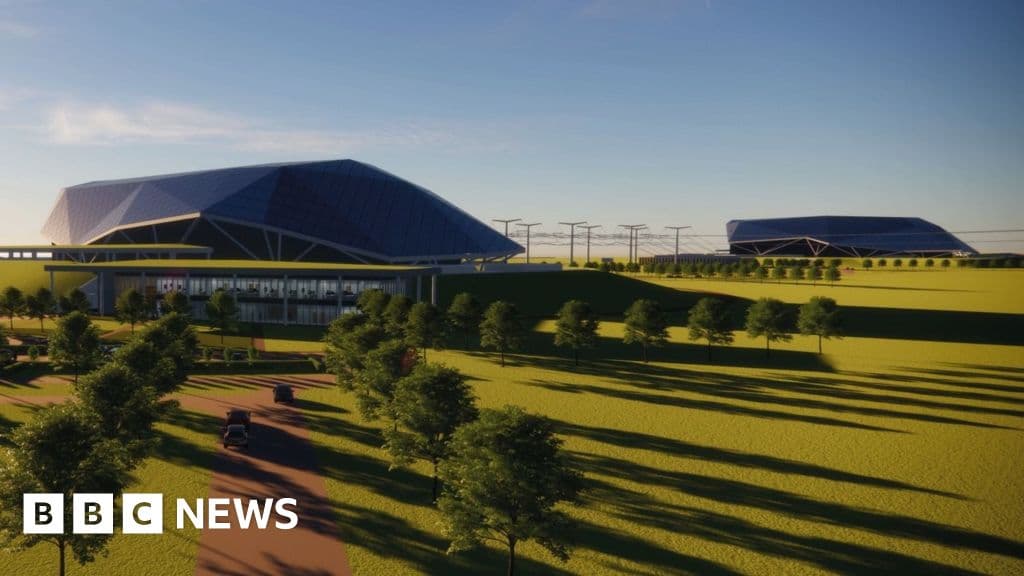
Image: BBC Business
The UK government greenlights a new nuclear power station at Wylfa, promising 8,000 jobs and a significant boost to clean energy efforts. Discover the details!
GlipzoThe UK government has officially approved the construction of a new nuclear power station at Wylfa, Anglesey, a move that is expected to generate 8,000 jobs. This announcement marks a significant step forward in the UK's energy landscape, emphasizing a commitment to nuclear power as a key component of clean energy initiatives.
Wylfa has been chosen as the site following a £2.5 billion partnership with Rolls-Royce, established last year. The collaboration promises not just local employment but also national economic benefits, with 3,000 jobs projected to be created in the vicinity and an additional 5,000 jobs across the country.
The new project at Wylfa will feature three small modular reactors (SMRs), heralding the UK's first foray into this innovative technology. According to Tom Greatrex, Chief Executive of the Nuclear Industry Association, these SMRs are poised to deliver enough electricity to power approximately 3 million homes for over 60 years.
Manufactured in modular components, SMRs are designed to be assembled on-site, offering a more efficient and adaptive approach to nuclear energy production. Greatrex hailed this development as a “historic step for clean power, industrial growth, and skilled jobs in Wales,” emphasizing the unique advantages that Wylfa presents.
The project is still awaiting a final investment decision, which is anticipated by the end of the decade. However, once all planning and regulatory challenges are surmounted, the SMRs are expected to begin operations in the 2030s. This timeline is crucial, as it aligns with the UK's broader energy transition goals.
The original Wylfa plant, which began operations in 1971, was decommissioned in 2015. Following its closure, plans for a replacement facility were initially proposed but were shelved in 2021 until recent developments emerged. Chris Cholerton, CEO of Rolls-Royce SMR, described the agreement as a testament to the UK government’s commitment to ushering in a “golden age of new nuclear” powered by British innovation.
Ed Miliband, the UK government's Energy Secretary, characterized this approval as a “major milestone” for the nation's energy security. He underscored the importance of transitioning to clean energy solutions as a means of reducing reliance on fossil fuels and reclaiming energy independence.
Christian Branch from Anglesey Council also welcomed the announcement, reminding stakeholders of the importance of keeping local communities at the forefront of the project. He emphasized that managing the potential impacts on infrastructure and environmental conditions is paramount to achieving sustainable benefits for Anglesey and its residents.
Historically, Wylfa has held a significant place in the UK’s energy portfolio. Built in the 1960s, it was the oldest operating nuclear power station in Britain until its closure in 2015. Operated by Magnox, the facility provided thousands of jobs and was a cornerstone of the local economy for over four decades.
The decision to build new SMRs at Wylfa represents not only a revival of nuclear energy in the region but also a commitment to modernizing and securing the UK's energy future. The International Atomic Energy Agency notes that most nuclear plants have operational lifespans of 30-40 years, which makes the development of new facilities essential for maintaining energy reliability.
The approval of the Wylfa power station is more than just a local economic boost; it is a strategic move in the global shift towards sustainable energy. With increasing pressure to combat climate change, the focus on nuclear energy as a low-carbon solution could play a vital role in the UK's long-term energy strategy. The anticipated job creation, alongside the promise of clean energy, highlights the dual benefits of economic growth and environmental responsibility.
As the project progresses toward final investment decisions and regulatory approvals, all eyes will be on Wylfa. Stakeholders will need to balance economic opportunities with community concerns to ensure that the transition to nuclear energy is a win-win for both the local population and the environment. The next few years will be critical in shaping not only the future of Wylfa but also the trajectory of nuclear energy in the UK as a whole.
With the potential to redefine energy independence and bolster economic growth, the Wylfa project stands as a beacon of hope for a sustainable energy future in Britain. As developments unfold, the focus will remain on the implementation of this ambitious initiative and its impact on the broader energy landscape.

Commercial LPG prices have risen again, with increases of ₹42 in Delhi and ₹53.50 in Kolkata impacting businesses and consumers alike. Find out more.
Indian Express
Discover how a tragic coal mine explosion in Shanxi, China, reveals ongoing safety concerns in the industry amidst a push for green energy.
BBC Business
Montek Singh Ahluwalia highlights key economic challenges for India, emphasizing the need for a strategic approach to balance payments and investment.
Indian Express