
Image: Ars Technica
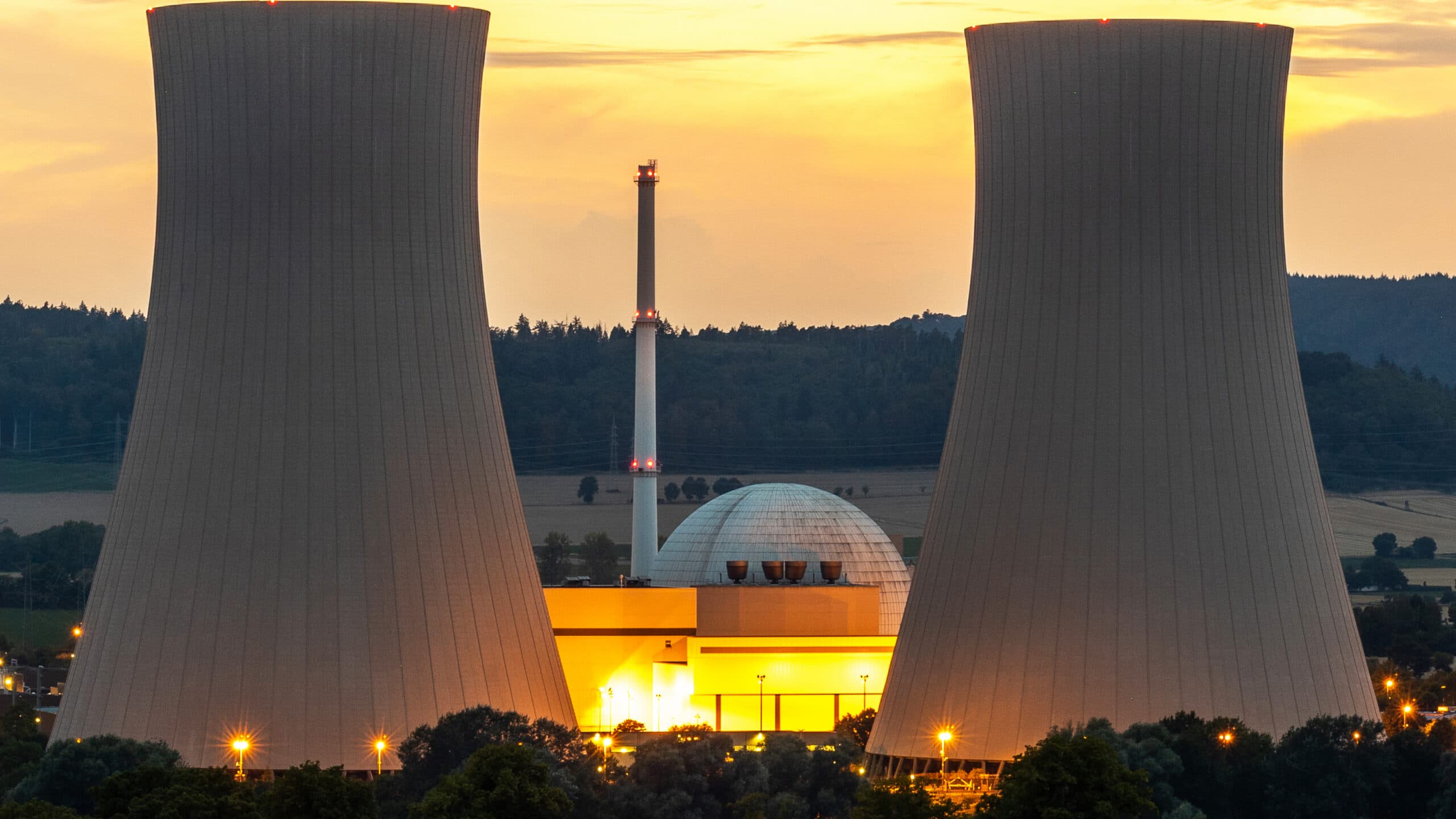
Discover the sweeping changes in U.S. nuclear regulation under Trump, driven by Silicon Valley's ambition and potential safety risks.
GlipzoIn a pivotal meeting last summer, officials from the Department of Energy (DOE) gathered at the Idaho National Laboratory, a historic site where the U.S. government developed its first nuclear power plant in 1951. This meeting, convened by Seth Cohen, a relatively inexperienced 31-year-old lawyer, marked a turning point in the regulation of nuclear energy in the United States. Cohen, who joined the government through Elon Musk's Department of Government Efficiency, was tasked with leading discussions on the future of nuclear energy during the Trump era.
Cohen's comments during the meeting raised eyebrows as he downplayed health and safety concerns associated with nuclear reactor designs. When staff members expressed worries about radiation exposure from nuclear test sites, Cohen responded dismissively, stating, “They are testing in Utah. … I don’t know, like 70 people live there.” This flippant attitude, coupled with jokes from staff about the implications of radiation exposure on vulnerable populations, signaled a significant departure from traditional regulatory caution.
Records from the Idaho meeting, reviewed by ProPublica, reveal a broader agenda: the Trump administration's intent to alter the regulatory landscape of nuclear energy to accommodate a surge in power needs driven by artificial intelligence. With a focus on innovation and efficiency, the administration has aggressively pursued changes that could reshape the nuclear energy sector.
Under Trump's leadership, the Nuclear Regulatory Commission (NRC)—the independent body responsible for overseeing commercial nuclear power plants—has faced significant changes. Critics argue that the NRC, often seen as a bastion of safety and environmental integrity, is now being pressured to align with the rapid, risk-taking ethos of Silicon Valley.
The NRC's reputation as a global standard for nuclear safety is at stake as the administration pushes for deregulation. This shift includes the dismissal of key figures, such as NRC Commissioner Christopher Hanson, who was removed after advocating for the commission's independence. This marked the first time an NRC commissioner was fired, raising concerns about the integrity of the regulatory process.
Cohen’s statements at the Idaho meeting reflected a broader strategy to undermine the NRC's independence. He stated, “Assume the NRC is going to do whatever we tell the NRC to do,” a sentiment that has raised alarms among industry experts. As Cohen ascended to the role of chief counsel for nuclear policy at the DOE, he began overseeing a vast nuclear portfolio that many fear could prioritize speed over safety.
The aggressive regulatory rollbacks have sent shockwaves through the nuclear energy community. Veteran industry advocates worry that the reckless approach taken by the Trump administration could tarnish the reputation of responsible nuclear initiatives. Allison Macfarlane, a former NRC chair under the Obama administration, expressed grave concerns: “The safety culture is under threat.” This sentiment reflects a growing unease about the future of nuclear energy regulation.
A significant shift in personnel at the NRC is indicative of the turmoil within the organization. ProPublica’s analysis of staffing data highlights that over 400 employees have departed since Trump took office, particularly from teams focused on reactor and nuclear materials safety. This exodus has resulted in a dramatic loss of institutional knowledge and experience, as many of those leaving had over a decade of service.
Conversely, the NRC's hiring of new staff has slowed considerably, raising concerns about the agency's ability to effectively monitor and regulate the nuclear industry moving forward. As veteran staff members exit, the incoming workforce lacks the same level of expertise and training, which could lead to critical gaps in safety oversight.
The evolving landscape of nuclear energy regulation under the Trump administration is more than a bureaucratic shift; it represents a fundamental change in how the U.S. approaches energy production and safety. The increased influence of Silicon Valley in regulatory discussions could lead to faster approvals for new nuclear projects, but at what cost?
Industry insiders and safety advocates are calling for a re-examination of these policies to ensure that the integrity of nuclear safety is not compromised in the pursuit of innovation. The implications of these changes could resonate for years to come, affecting everything from energy production to public health.
As the nuclear energy sector continues to evolve, all eyes will be on the NRC and the DOE to see how they navigate this new landscape. Key areas to watch include: - Regulatory changes: How will the NRC respond to pressures for rapid innovation? - Industry reactions: Will traditional nuclear advocates push back against deregulation? - Public safety: What measures will be put in place to protect vulnerable populations from potential risks?
In summary, while the drive for innovation in nuclear energy is essential, the balance between progress and safety must be carefully maintained. The future of nuclear energy regulation is at a crossroads, and the decisions made today will shape the landscape for generations to come.

Tensions soar as the US and Iran engage in air strikes near the Strait of Hormuz, raising concerns over global oil supply and regional stability.
BBC World
Trump's international interventions face serious stalemates. What will this mean for U.S. foreign policy? Explore the critical challenges ahead.
Indian Express
Tehran denies resignation of President Masoud Pezeshkian amid claims of IRGC influence. What does this mean for Iran's political stability? Click to learn more!
Indian Express