
Image: BBC Health
Northern Ireland becomes the first UK region to offer paid leave for miscarriage, providing vital support for grieving parents. Discover the implications.
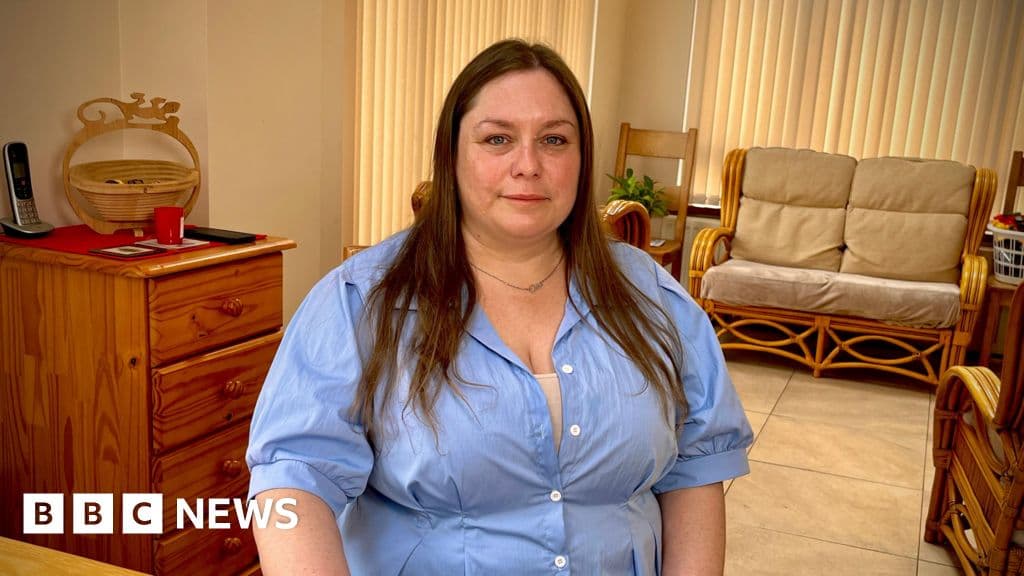
GlipzoIn a significant development for parental rights, Northern Ireland has become the first region in the UK to introduce a groundbreaking policy that allows parents to take two weeks of paid leave following a miscarriage, regardless of when it occurs during pregnancy. This initiative aims to provide essential support to couples grappling with the emotional toll of losing a child. Erin Sharkey, a volunteer with the Miscarriage Association, expressed that this new entitlement will validate the feelings of those affected and offer them crucial time to grieve together.
Previously, parents in Northern Ireland were only entitled to two weeks of paid bereavement leave after a stillbirth, which only applied if the pregnancy had reached at least 24 weeks. This left many parents without the necessary time to process their loss after an earlier miscarriage. With the new legislation, those experiencing a miscarriage at any stage can take leave that is compensated at a statutory level of just over £194 per week, or 90% of their weekly earnings if that amount is lower.
Erin recalled her own experiences with miscarriage and the societal pressures that often force individuals back into the workplace too soon. She stated that the emotional devastation of losing a child can feel like “all your dreams for gorgeous happy moments come crashing down.” The new policy provides an opportunity for parents to receive the emotional support they need during a time of profound grief.
Erin pointed out the lack of support that often follows the initial wave of sympathy, as many friends and family members gradually stop reaching out after the loss. This can lead individuals to feel isolated in their grief. The introduction of this leave allows for couples to take the necessary time off to process their loss without the added pressure of work obligations.
The importance of this policy has been echoed by Selina Casey, a psychotherapist and founder of the White Butterfly Foundation, a charity dedicated to providing support for those affected by baby loss. Selina shared her own heartbreaking experience of losing a child during pregnancy and noted how critical it is for couples to have time to grieve together. According to Selina, “Allowing couples time to spend grieving together after a loss is in itself extremely therapeutic.” This sentiment underscores the necessity of support systems for grieving parents and the impact of shared experiences in healing.
Megan Crowe, another therapist at the White Butterfly Foundation, expressed that the leave will empower parents to take control of their healing journey. She emphasized the importance of being present and allowing oneself to grieve, rather than slipping back into the routine of daily life too soon after the loss.
While Northern Ireland leads the way, changes are also on the horizon for the rest of the UK. The Westminster government has proposed a plan to introduce unpaid leave for parents in England, Scotland, and Wales following a miscarriage, effective in 2027. This means that while parents in these regions will not yet have the same level of support as those in Northern Ireland, a shift towards recognizing the need for grieving time is underway.
The legislative changes in Northern Ireland represent a critical shift in how society views miscarriage and parental leave. This new policy not only legitimizes the emotional struggles faced by parents but also sets a precedent for other regions to follow suit.
The introduction of paid miscarriage leave is more than just a policy change; it signifies a cultural shift in the understanding of grief and loss. As more regions consider similar legislation, it emphasizes the need for emotional support during one of life’s most challenging experiences. This initiative highlights the importance of recognizing that miscarriage is not just a medical event, but a deeply personal tragedy that impacts families profoundly.
Moreover, this policy may influence workplace cultures to become more compassionate and understanding towards parents dealing with such losses. Employers may feel encouraged to adopt more supportive practices, which could lead to a more empathetic environment for all employees.
As Northern Ireland breaks new ground with its miscarriage leave policy, it serves as a reminder of the ongoing need for advocacy and support for grieving parents. The hope is that this initiative will inspire similar policies across the UK and beyond, ensuring that no parent feels alone in their grief.
Looking ahead, it will be crucial to monitor how this policy impacts families and whether it prompts further legislative changes in other regions. The dialogue surrounding miscarriage and parental leave is evolving, and with continued awareness and advocacy, the possibility for comprehensive support systems grows ever brighter.
As we move into the future, stakeholders must remain vigilant in promoting policies that recognize the emotional complexities of miscarriage and support those navigating through their grief.
Shocking findings from Nottingham's maternity unit reveal a toxic culture and alarming neglect. What can be done to improve care? Discover the details.
BBC Health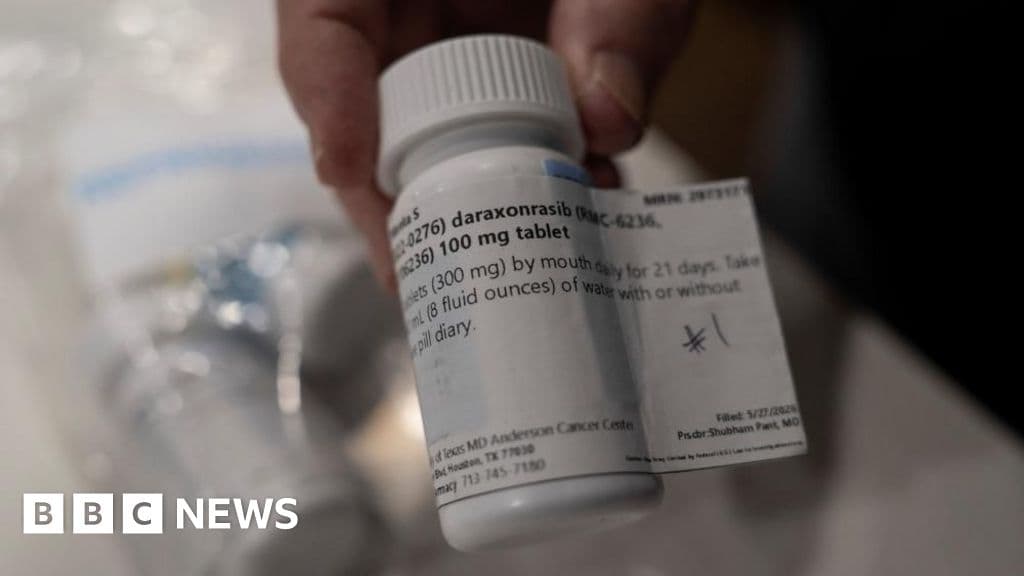
Discover how daraxonrasib, a new pill, is nearly doubling survival rates for pancreatic cancer patients, offering hope in a challenging battle against this deadly disease.
BBC Health
Waste companies propose a £5 deposit on vapes to encourage proper disposal and curb littering as the environmental impact of vapes increases.
BBC Business