
Image: BBC Health
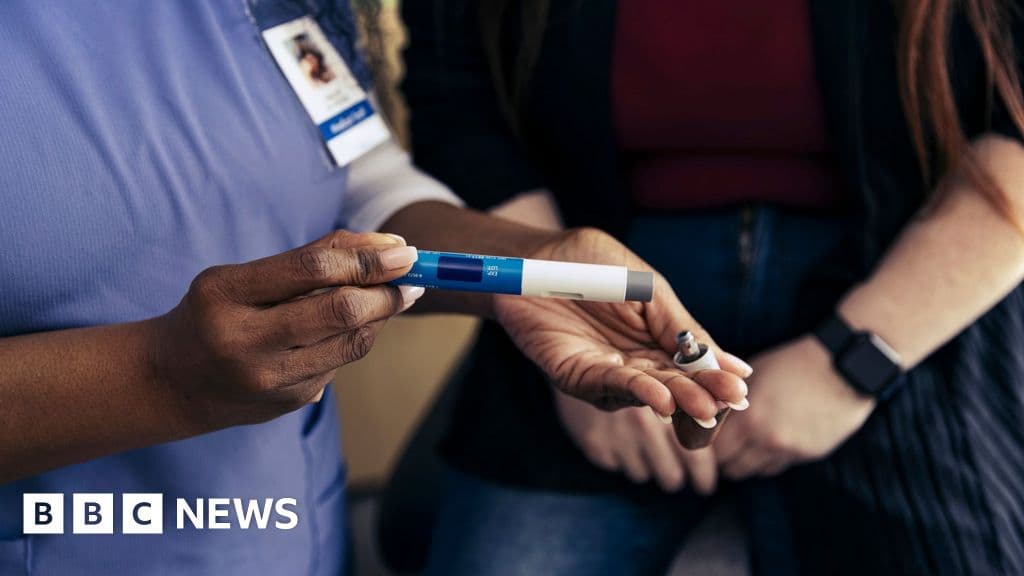
Discover how Wegovy will be offered on the NHS for heart attack prevention, providing hope for over a million at-risk individuals in England.
GlipzoIn a groundbreaking move, Wegovy, a weight-loss injection, will be provided at no cost through the NHS to over one million individuals in England who are at an increased risk of heart attacks and strokes. This decision comes from NICE (the National Institute for Health and Care Excellence), which recommends the weekly injection as a proactive measure for those suffering from obesity and existing cardiovascular issues.
The criteria for receiving Wegovy include being overweight or experiencing serious circulation problems, particularly in the legs. Patients will undergo assessments by their GPs or specialists to determine if this treatment is appropriate, especially for those already taking heart medications like statins. The integration of Wegovy into their regimen aims to enhance overall cardiac protection and health outcomes.
Clinical trials of Wegovy have shown promising results, indicating that the drug can significantly reduce the risk of future heart and circulation complications. In studies involving tens of thousands of participants, those taking Wegovy along with their existing heart medications experienced a 20% reduction in the risk of heart attacks and strokes.
NICE highlights that the positive effects of Wegovy were observed early in the clinical trials, even before participants achieved substantial weight loss. This suggests that the medication may directly benefit heart and blood vessel function, beyond just its weight-loss properties.
Each year in the UK, approximately 100,000 hospital admissions are due to heart attacks, and another 100,000 individuals suffer strokes. Furthermore, around 350,000 people live with peripheral arterial disease. This new initiative aims to alleviate the fear that those who have previously experienced such events live with, while also offering them a pathway to better health through innovative treatment.
Helen Knight, a representative from NICE, articulated the significance of this decision: "We know that people who have already had a heart attack or stroke are living with real fear that it could happen again. The evidence from the clinical trial is compelling. It showed that people taking semaglutide alongside their existing heart medicines were significantly less likely to have another heart attack or stroke."
This treatment will be available for patients with a Body Mass Index (BMI) classified as overweight or obese (BMI of 27 or higher). The rollout is expected to commence this summer, providing timely relief for many individuals.
Wegovy operates as an appetite suppressant by mimicking a hormone known as GLP-1, which promotes a feeling of fullness, ultimately aiding in weight loss. Additionally, it slows down the digestive process, allowing individuals to feel satiated for longer periods. While many may benefit from this treatment, some side effects include bloating, nausea, and discomfort.
To enhance treatment efficacy, healthcare professionals will also recommend lifestyle modifications, such as adopting a healthier diet and increasing physical activity. These changes are crucial for maintaining weight loss and improving overall health. Currently, the NHS limits Wegovy treatment to a two-year period, as ongoing studies examine its long-term risks and benefits. There are calls for the program to be extended indefinitely, considering the potential for relapse in weight management.
The NHS has reached a cost-effective agreement with the pharmaceutical company, Novo Nordisk, which manufactures Wegovy. This collaboration is a significant step towards making this essential medication more accessible to those who need it. Dr. Sonya Babu-Narayan from the British Heart Foundation expressed optimism for the timely availability of these injections, stating, "I hope the injections could be made available to everyone who could benefit as soon as possible."
However, experts caution that while GLP-1 drugs like Wegovy can assist in weight loss, they may also lead to a reduction in muscle mass. Prof. Robert Storey, a heart health expert at the University of Sheffield, emphasized the importance of physical activity, particularly resistance training, to mitigate any negative impacts on muscle strength.
In conclusion, the introduction of Wegovy into the NHS represents a pivotal shift in how we address heart health, especially for those already at risk. As the rollout begins, it will be crucial to monitor patient outcomes and overall effectiveness in preventing further cardiovascular events.
As Wegovy becomes available, the focus will shift to its integration into existing treatment protocols and patient education about lifestyle changes. Monitoring the long-term effects of this treatment will also be essential. Will it become a standard part of heart health management? Only time will tell as we watch how this initiative unfolds in the coming months and years.
Stay tuned for updates on how this groundbreaking program impacts public health and the ongoing dialogue surrounding obesity and heart disease management.

Shocking findings from Nottingham's maternity unit reveal a toxic culture and alarming neglect. What can be done to improve care? Discover the details.
BBC Health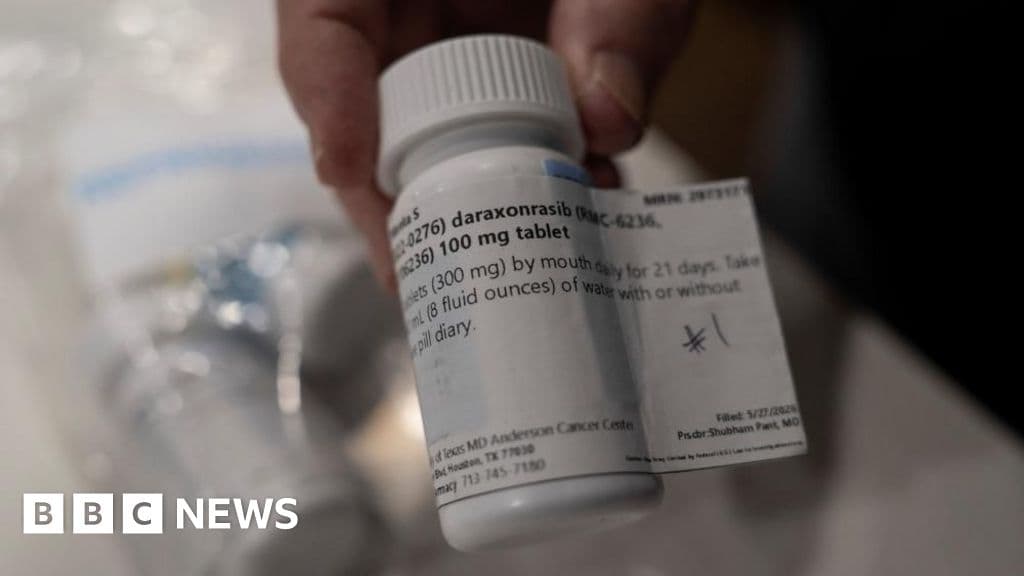
Discover how daraxonrasib, a new pill, is nearly doubling survival rates for pancreatic cancer patients, offering hope in a challenging battle against this deadly disease.
BBC Health
Waste companies propose a £5 deposit on vapes to encourage proper disposal and curb littering as the environmental impact of vapes increases.
BBC Business