
Image: BBC Health
NHS chief Sir Jim Mackey reports hospitals are coping well amid the ongoing doctors' strike, raising concerns over staff shortages and patient care.
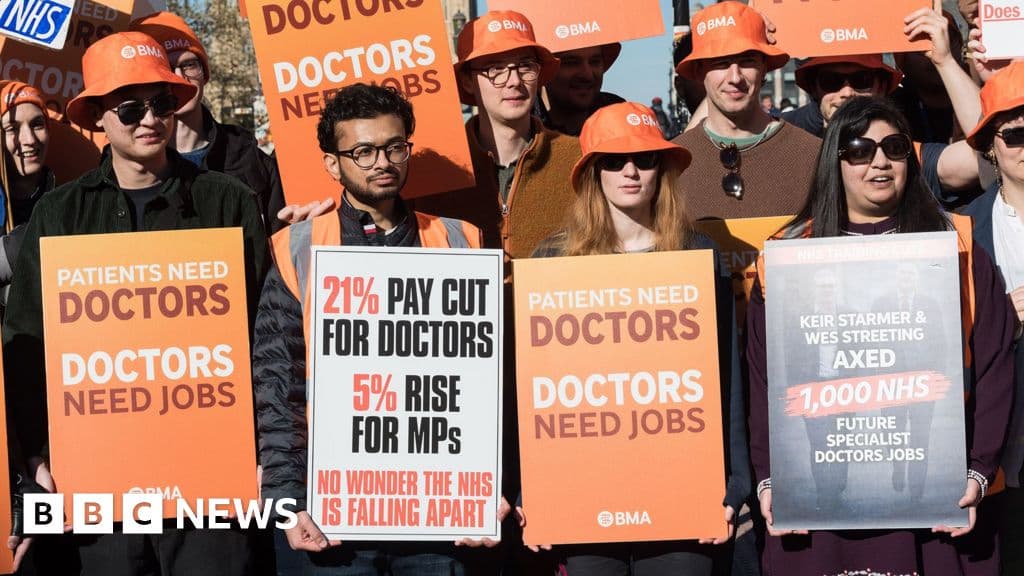
GlipzoIn a statement released on Wednesday, Sir Jim Mackey, the head of NHS England, assured the public that hospitals are managing effectively during the ongoing doctors' strike in England. This strike, which began on Tuesday, marks the 15th walkout by resident doctors—formerly known as junior doctors—in a long-standing dispute over pay. Sir Jim expressed optimism, stating, "The NHS is in as good a place as we could hope after the first day of the six-day strike."
The British Medical Association (BMA) has characterized the strike as "regrettable," attributing the decision to the government’s inability to present a viable offer. This walkout is particularly significant given that resident doctors represent nearly half of the NHS medical workforce, even though approximately one-third are not members of the BMA. Hospitals are responding to the situation by mobilizing senior doctors to cover emergency and urgent care, a move which has unfortunately led to the cancellation of some planned operations and treatments. However, NHS officials report that most surgeries are still proceeding as scheduled.
In his correspondence to health managers, Sir Jim highlighted the strain on staffing, recognizing the challenges hospitals face in managing their rotas following the Easter weekend. He noted that the timing of the strike was particularly disruptive, saying, "I know how disruptive and challenging it's been for many hospitals to manage it and fill their rotas. There’s a long way to go, but it looks like we’re in as good a place as we could hope on day one."
The backdrop to this latest strike is a breakdown in negotiations between the BMA and the government, which occurred last month. While resident doctors have seen a 33% pay increase over the past four years, the BMA contends that, after accounting for inflation, doctors are earning about 20% less than they did in 2008. Dr. Jack Fletcher, a leader within the BMA, expressed regret over the necessity of the strike, stating, "These strikes were entirely avoidable. If we keep treating doctors as an inconvenience rather than an asset, we will end up with an NHS that simply doesn’t have enough doctors."
In response to the ongoing strike action, Health Secretary Wes Streeting defended the government's position, claiming that resident doctors have been offered a "generous deal." This offer includes not just the aforementioned pay increases but also an expansion of training opportunities and coverage of expenses like exam fees. Streeting acknowledged public frustration, saying, "People and patients are understandably fed up."
Recent polling data from YouGov indicates that a significant portion of the public is opposed to the strikes, highlighting a growing disconnect between healthcare professionals and the patients they serve. In a political twist, Kemi Badenoch, leader of the Conservative Party, proposed a ban on doctors striking, akin to existing restrictions for police and armed forces, stating, "Labour has chosen the unions over patients."
The current situation reflects deeper issues within the NHS and the medical profession. As resident doctors engage in this strike, it underscores the persistent tension surrounding healthcare funding, staffing shortages, and the treatment of medical professionals. The BMA’s assertion that the strikes could have been avoided suggests a broader need for dialogue and negotiation between the government and healthcare providers.
This strike not only affects the immediate healthcare landscape but also poses long-term questions about the sustainability of the NHS. With nearly half of the medical workforce participating in this action, the implications go beyond just operational challenges; they point to a potential crisis in healthcare delivery if issues are not addressed.
Moving forward, stakeholders must focus on rebuilding trust between resident doctors and the government. The ongoing discourse about the NHS's future will be crucial, especially as the healthcare system braces for potential future strikes or further actions by medical professionals. How the government responds and whether it can foster a culture of collaboration rather than conflict will determine the trajectory of the NHS in the coming months.
As this situation unfolds, observers will want to watch for: - Potential resolutions in negotiations between the BMA and the government. - Public sentiment and how it may influence future healthcare policies. - The impact of staffing shortages on patient care and treatment timelines. - Responses from political leaders regarding healthcare reform and doctor compensation.
The ongoing discussions surrounding the NHS and its workforce are critical, and the outcome of these negotiations will likely resonate throughout the healthcare sector for years to come.

Shocking findings from Nottingham's maternity unit reveal a toxic culture and alarming neglect. What can be done to improve care? Discover the details.
BBC Health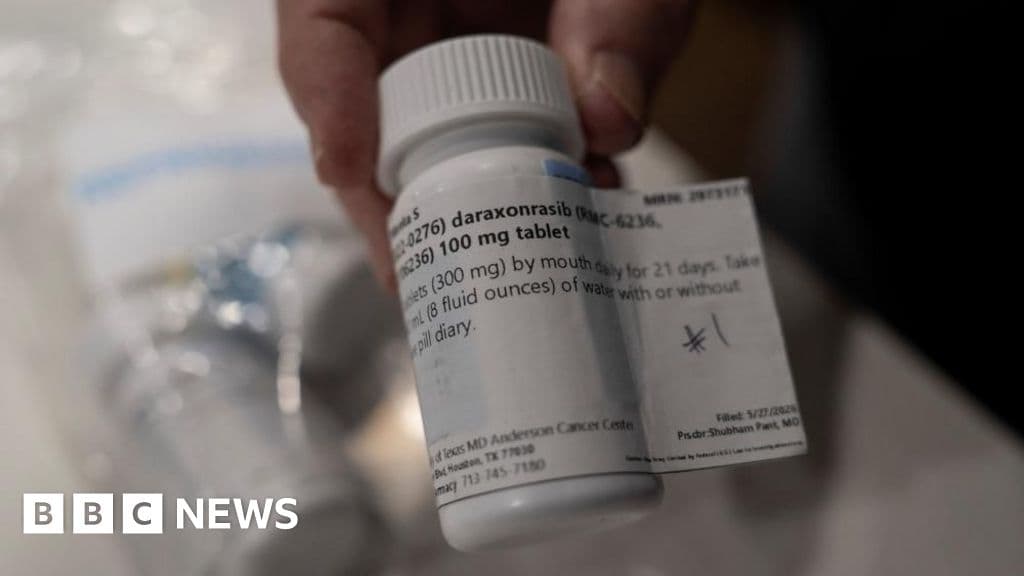
Discover how daraxonrasib, a new pill, is nearly doubling survival rates for pancreatic cancer patients, offering hope in a challenging battle against this deadly disease.
BBC Health
Waste companies propose a £5 deposit on vapes to encourage proper disposal and curb littering as the environmental impact of vapes increases.
BBC Business