

Image: Science Daily
New research highlights belly fat's link to heart failure risk, even in normal-weight individuals. Discover why waist size matters more than BMI.
GlipzoRecent findings presented at the American Heart Association’s EPI|Lifestyle Scientific Sessions 2026 indicate that visceral fat—the fat stored around the waist—could significantly elevate the risk of heart failure, even in individuals with a body weight classified as normal. This pivotal research, unveiled during the conference held from March 17 to 20 in Boston, highlights critical insights into cardiovascular health and the importance of preventive measures.
The study's results assert that the location of fat storage may carry more weight (literally and metaphorically) than a person's overall weight. Higher levels of visceral fat were shown to correlate more closely with the risk of heart failure compared to general body mass index (BMI). Specifically, individuals with larger waist measurements were found to be at heightened risk, regardless of a BMI that fell within healthy limits. This suggests that waist size could serve as a more effective indicator of heart health than BMI alone, especially when considering the role of inflammation in cardiovascular disease.
One of the key components linking belly fat to heart health is systemic inflammation. According to a 2025 scientific statement from the American Heart Association, inflammation throughout the body is a significant contributor to heart disease, leading to disruptions in immune function, vascular damage, and scar tissue formation in the heart. Elevated inflammation levels have been associated with increased heart disease risk, even among those who maintain healthy cholesterol levels.
The study, led by Szu-Han Chen, a medical student from National Yang Ming Chiao Tung University in Taiwan, has produced several noteworthy observations, including: - Visceral fat is a more critical determinant of heart failure risk than overall body weight. - Individuals with normal BMI but larger waist circumferences are still at risk for heart failure. - Monitoring waist size and inflammation can help identify individuals at risk earlier than standard BMI measurements.
As Chen stated, "This research helps us understand why some people develop heart failure despite having a body weight that seems healthy. By monitoring waist size and inflammation, clinicians may be able to identify people with higher risk earlier and focus on prevention strategies that could reduce the chance of heart failure before symptoms begin."
The findings underscore the urgency of integrating central adiposity measurements—like waist circumference—into routine preventive health care. Dr. Sadiya S. Khan, a volunteer chair for the American Heart Association's 2025 Scientific Statement on heart failure prevention, emphasized that understanding the drivers of heart failure risk, including central adiposity, is vital for early detection and intervention. She acknowledged that while this study builds on previous research regarding excess body fat, further investigation is necessary to determine if measuring waist size provides greater predictive value for heart failure risk than existing metrics.
While the study provides essential insights, the researchers acknowledged some limitations. They lacked detailed data on the specific types of heart failure, meaning the findings are applicable to heart failure in general. Future research efforts should explore how visceral fat and inflammation interact with particular subtypes of heart failure and whether targeting inflammation can effectively lower risk.
The analysis utilized health data from 1,998 African American adults enrolled in the Jackson Heart Study, a comprehensive initiative aimed at understanding cardiovascular health in this demographic. The participants, who had no history of heart failure at enrollment between 2000 and 2004, ranged in age from 35 to 84, with a median age of 58; 36% were women. They were monitored for an average of 6.9 years, concluding in December 2016.
Given the study's results, it becomes increasingly clear that waist circumference should be considered a critical metric in health assessments, particularly for those with normal BMI readings. The findings push for a paradigm shift in how healthcare providers assess risks associated with heart disease, urging them to take a more nuanced approach that prioritizes fat distribution over sheer weight.
As researchers continue to explore the intricate relationship between visceral fat, inflammation, and heart health, it will be essential to develop targeted interventions and refine screening processes to better predict heart failure risks. Healthcare providers may soon have new tools at their disposal that focus on waist measurements and inflammation markers, potentially leading to more effective preventive strategies.
In conclusion, the connection between belly fat and heart failure risk is a pressing issue that merits further investigation. As we move forward, keeping an eye on developments in this field will be crucial for advancing cardiovascular health and reducing heart disease incidence globally.

Shocking findings from Nottingham's maternity unit reveal a toxic culture and alarming neglect. What can be done to improve care? Discover the details.
BBC Health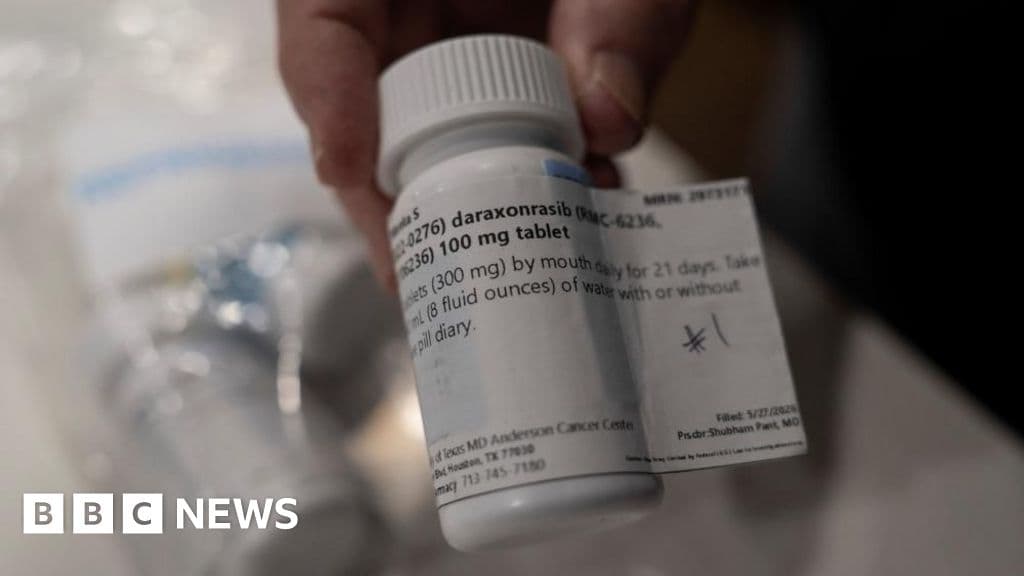
Discover how daraxonrasib, a new pill, is nearly doubling survival rates for pancreatic cancer patients, offering hope in a challenging battle against this deadly disease.
BBC Health
Waste companies propose a £5 deposit on vapes to encourage proper disposal and curb littering as the environmental impact of vapes increases.
BBC Business