
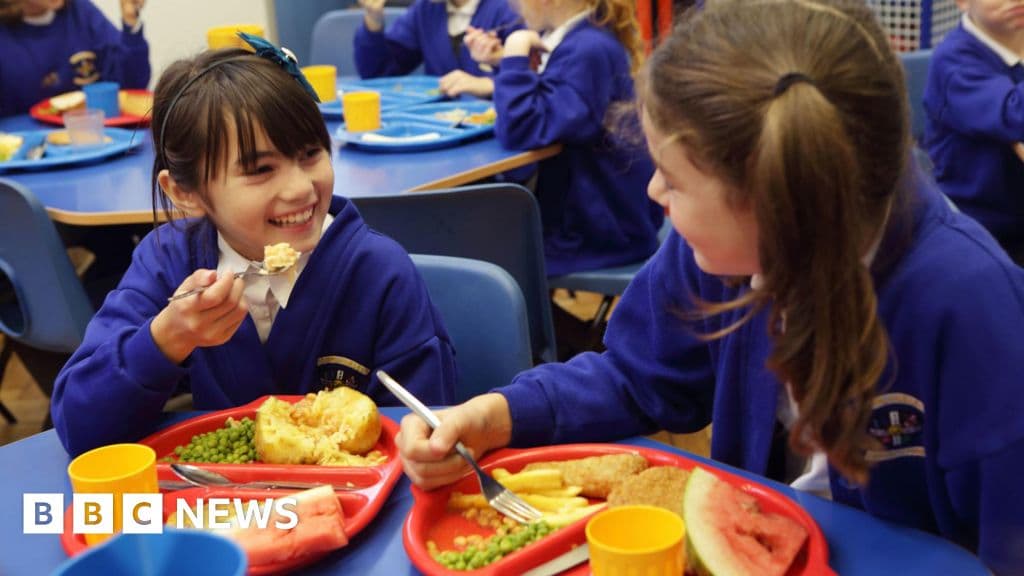
Image: BBC Health
Discover England's groundbreaking plan to ban deep-fried foods in schools, ensuring healthier meals for children starting September 2027.
GlipzoIn a significant move aimed at promoting healthier eating habits among children, deep-fried foods will be prohibited in schools across England starting September 2027. This initiative is part of a broader strategy to overhaul school meal standards, which also includes strict limitations on high-sugar items. The government's latest proposals are designed to combat rising obesity rates and improve children's overall health through better nutrition.
The new legislation will fundamentally transform the nutritional landscape of school meals. Under these proposals: - Deep-fried options like chips and fried snacks will be eliminated. - High-sugar desserts will be restricted to just once per week. - Schools will be encouraged to offer more fruits, vegetables, and whole grains.
The Department for Education (DfE) asserts that this comprehensive revision marks the first update to school food standards in a decade, following delays caused by the COVID-19 pandemic. Education Secretary Bridget Phillipson emphasized the need for nutritious meals to support children's concentration and learning, stating, "Every child deserves to have delicious, nutritious food at school that gives them the energy to concentrate, learn, and thrive."
While many educational leaders have applauded the efforts to improve school meals, there are calls for additional funding to support these changes. The Association of School and College Leaders has indicated that financial backing is essential for schools to successfully implement the new standards. In contrast, Reform UK criticized the government’s approach, arguing that it amounts to excessive control over personal choices.
The Liberal Democrats have echoed the need for increased funding for school meals, underscoring the rising costs associated with providing healthier options. Meanwhile, the Green Party welcomed the ban on unhealthy foods, labeling it “long overdue.”
The urgency of these changes is underscored by alarming statistics: over one in three children in England leave primary school overweight or obese. Additionally, high-sugar diets contribute significantly to tooth decay, which is the leading cause of hospital admissions among children aged five to nine. The DfE’s initiative aims to tackle these pressing health issues head-on.
Minister Olivia Bailey expressed optimism about the potential for these changes to initiate a significant transformation in school food. She mentioned that schools will be required to publish their menus online, which is intended to enhance transparency and accountability. Bailey also downplayed concerns regarding costs, stating, "I don’t think healthier food has to be more expensive food for schools."
The government plans to implement these changes gradually, particularly in secondary schools, allowing educators ample time to adapt their recipes, update menus, and train staff. A nine-week consultation period has been announced to gather feedback from stakeholders before finalizing the new standards in September.
The government will also establish a robust enforcement system to ensure compliance with the new regulations, a necessity highlighted by previous standards that were often overlooked due to budget constraints. Brad Pearce, national chair of the School Food People, welcomed the review but emphasized the need for proper monitoring and funding.
In a further effort to support children's nutrition, the government has announced that from September 2026, any child in England whose parents receive Universal Credit will be eligible for free school meals, potentially benefiting an additional 500,000 children. Furthermore, over 500 new free breakfast clubs are set to open, with funding per pupil increasing from 60p to £1 to address school concerns regarding operational costs.
These initiatives reflect a commitment to improving children's health and ensuring they have access to nutritious meals at a young age, laying the groundwork for healthier lifestyles in the future.
As these new school meal standards are rolled out, there are several key developments to monitor: - The effectiveness of the enforcement system in ensuring compliance with the new food standards. - The feedback from schools during the nine-week consultation period and how it may influence the final regulations. - The impact of these changes on children's health metrics in the coming years.
With the government’s ambitious plans set to reshape school food over the next few years, the focus will be on how well these initiatives are executed and the tangible benefits they bring to children's health and well-being in England.
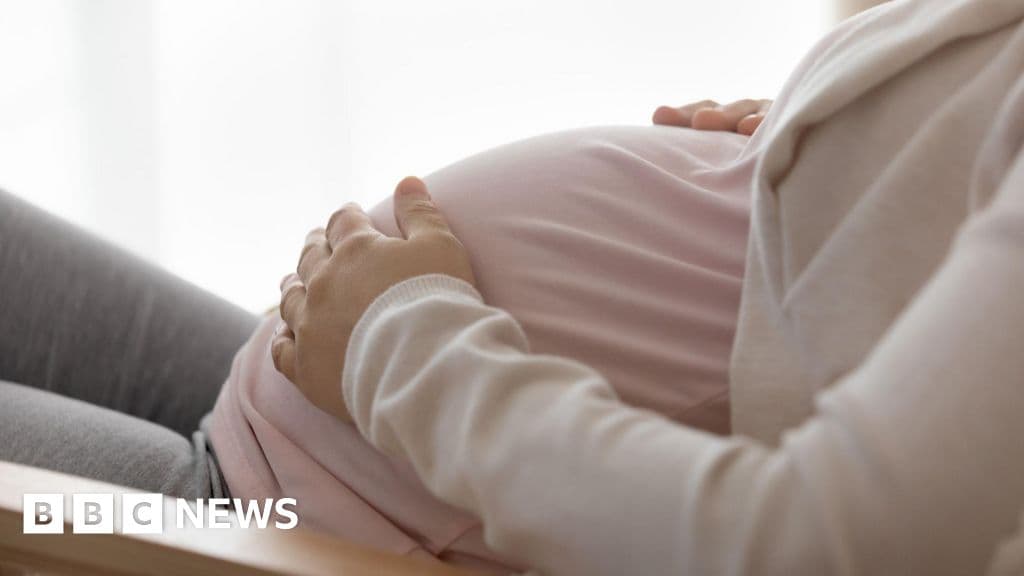
Shocking findings from Nottingham's maternity unit reveal a toxic culture and alarming neglect. What can be done to improve care? Discover the details.
BBC Health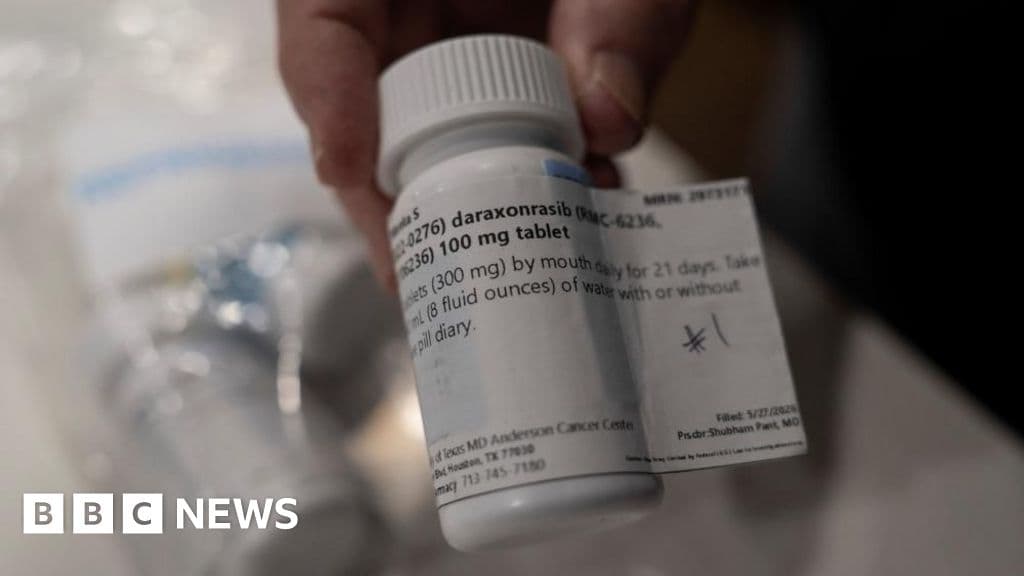
Discover how daraxonrasib, a new pill, is nearly doubling survival rates for pancreatic cancer patients, offering hope in a challenging battle against this deadly disease.
BBC Health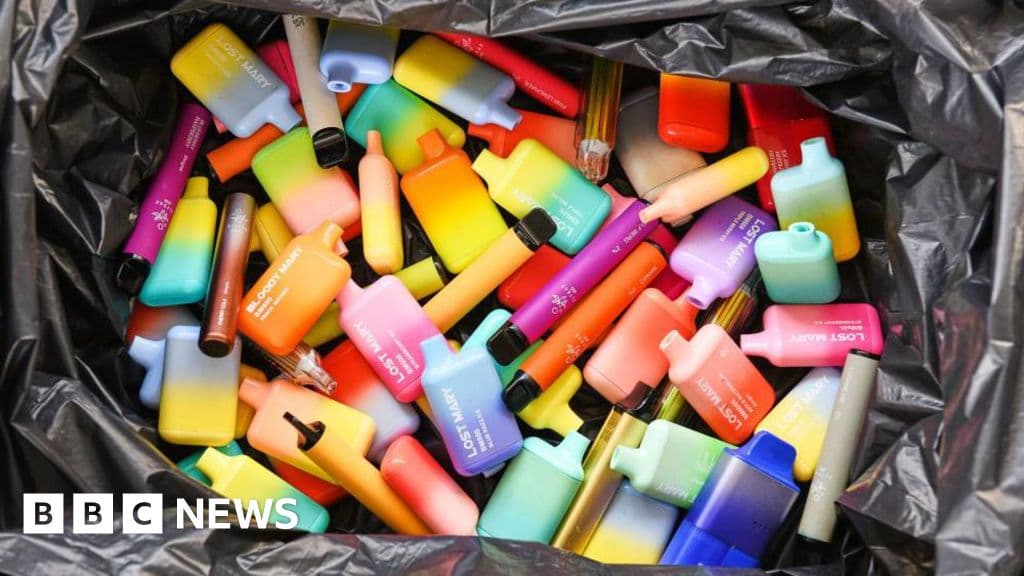
Waste companies propose a £5 deposit on vapes to encourage proper disposal and curb littering as the environmental impact of vapes increases.
BBC Business