

Image: BBC Health
Discover how new scanning technology may transform the diagnosis of endometriosis, potentially shortening wait times for women suffering from this painful condition.
GlipzoFor countless women, the journey to an endometriosis diagnosis can be a long and painful ordeal, often stretching for nearly a decade. Recent research conducted at Oxford University introduces a groundbreaking scanning technique that could significantly reduce this waiting period. This innovative method merges CT scans with a specialized molecular tracer, aiming to identify early signs of endometriosis—an often elusive condition that traditional scans frequently overlook.
Endometriosis, affecting approximately one in 10 women in the UK, is characterized by the growth of cells similar to those lining the uterus in locations where they don’t belong. This condition can lead to severe discomfort, heavy menstrual bleeding, and debilitating fatigue, often mimicking other health issues. On average, women endure a staggering nine years of uncertainty before receiving a definitive diagnosis.
The symptoms of endometriosis can vary widely, including: - Intense abdominal pain - Severe fatigue - Heavy periods - Digestive issues - Complications affecting fertility
Due to the non-specific nature of these symptoms, many women undergo extensive testing, such as ultrasounds and MRI scans, which may fail to detect early-stage endometriosis. According to Dr. Tatjana Gibbons, the lead researcher, conventional imaging techniques often reveal only advanced stages of the disease, leaving many patients frustrated and without answers.
Dr. Gibbons notes, "This means many struggle with symptoms, despite being told they have normal imaging results. Getting a diagnosis earlier can help people make decisions and plans about their life."
The emotional and physical toll of delayed diagnosis is poignantly illustrated by the experiences of individuals like Gabriella Pearson, co-founder of the Menstrual Health Project. Diagnosed with endometriosis at age 23, Pearson endured over ten years of escalating symptoms and misdiagnoses. Reflecting on her journey, she states, "If I had been listened to and diagnosed earlier, I would have been in a very different position now."
Pearson's endometriosis has led to significant complications affecting her bowel, bladder, and ovaries, resulting in lasting damage. She emphasizes the broader implications of delayed diagnosis—"There is a knock-on effect in terms of mental health, finances, work, and fertility. A timely diagnosis could really enhance the quality of life for many women."
In the pilot study, 19 participants with suspected or confirmed endometriosis underwent the new scanning method, which involved a CT scan paired with an injection of a molecular tracer known as maraciclatide. This tracer binds to areas where new blood vessels are forming, a critical factor in the initial stages of endometriosis development. The preliminary results are promising; the technique accurately identified the presence of endometriosis in 16 out of 19 women, and it correctly detected 14 out of 17 cases later confirmed by surgical intervention.
Dr. Gibbons describes the findings as "exciting," noting that this technique could serve as a vital tool for both diagnosis and ongoing monitoring of endometriosis, particularly for superficial peritoneal endometriosis, the most prevalent yet challenging type to identify.
The implications of this new scanning technology are profound. With the potential to drastically shorten the time it takes to receive a diagnosis, women suffering from endometriosis could gain access to treatment and support much sooner. Currently, the laparoscopy—a surgical procedure involving a camera inserted through the abdomen—is the only definitive method for diagnosis, often requiring years of waiting.
Dr. Gibbons advocates for more comprehensive studies to validate these initial findings, which may lead to broader acceptance of this new method in clinical practice. As the research progresses, the hope is that healthcare systems will adopt this technique, providing women with the answers they desperately need without the burden of invasive procedures.
The societal impact of delayed endometriosis diagnosis extends beyond individual health. It affects women’s careers, education, and overall quality of life. Faster diagnosis could alleviate years of suffering, enabling women to pursue their goals and maintain their mental wellbeing.
As more attention is drawn to issues surrounding women's health, the urgency for effective diagnostic tools becomes increasingly critical. This study at Oxford signifies a vital step toward better understanding and managing endometriosis, illuminating a path for future research and treatment advancements.
The next steps involve larger-scale studies to confirm the effectiveness of this innovative scanning technique. If validated, healthcare providers may implement it widely, potentially transforming the diagnostic landscape for endometriosis. As the medical community continues to prioritize women's health, advancements like these could herald a new era of timely diagnoses and improved patient outcomes.
With continued advocacy and research, the hope is that one day, no woman will have to endure the lengthy and painful quest for diagnosis that so many have faced before her.

Shocking findings from Nottingham's maternity unit reveal a toxic culture and alarming neglect. What can be done to improve care? Discover the details.
BBC Health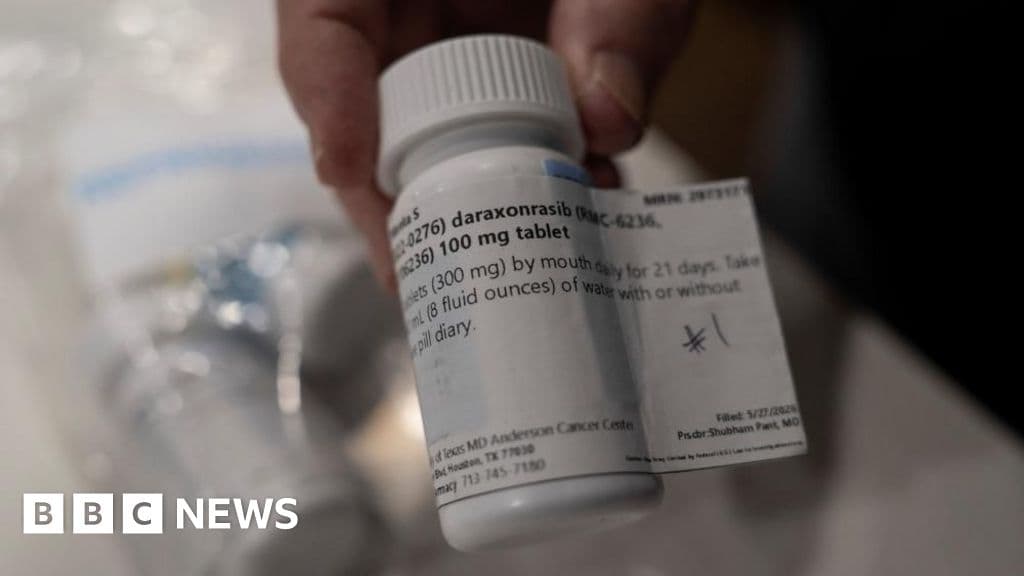
Discover how daraxonrasib, a new pill, is nearly doubling survival rates for pancreatic cancer patients, offering hope in a challenging battle against this deadly disease.
BBC Health
Waste companies propose a £5 deposit on vapes to encourage proper disposal and curb littering as the environmental impact of vapes increases.
BBC Business