
Image: Science Daily
Discover how the new pill enlicitide could cut LDL cholesterol by 60%, transforming heart disease prevention. What does this mean for millions at risk?
GlipzoIn an exciting development for cardiovascular health, a new oral medication known as enlicitide has been shown to reduce levels of low-density lipoprotein (LDL) cholesterol—commonly termed “bad” cholesterol—by a staggering 60% in a significant phase three clinical trial. Published in The New England Journal of Medicine, this promising research could transform treatment options for millions of Americans at risk of heart disease. If approved by the Food and Drug Administration (FDA), enlicitide could provide a new frontline defense against heart attacks and strokes for those struggling to manage their cholesterol levels effectively.
Dr. Ann Marie Navar, a cardiologist and Associate Professor at UT Southwestern Medical Center, emphasized the potential of this new therapy. "Fewer than half of patients with established atherosclerotic cardiovascular disease currently reach LDL cholesterol goals. An oral therapy this effective has the potential to dramatically improve our ability to prevent heart attacks and strokes on a population level," she stated. Dr. Navar was the lead investigator for the study, which was developed with support from Merck & Co. Inc.
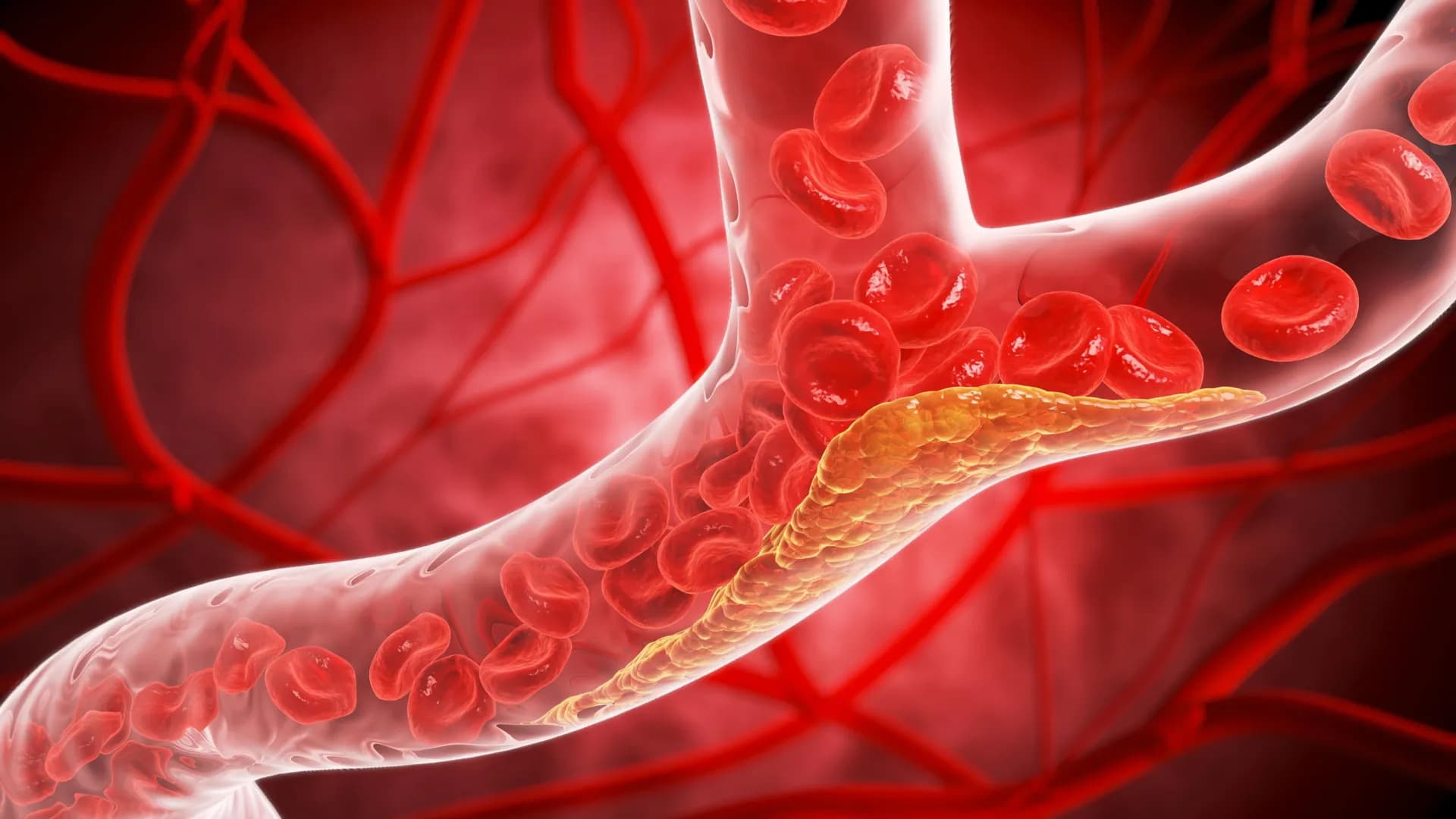
The significance of lowering LDL cholesterol cannot be overstated. For many years, medical professionals have recognized that high levels of LDL cholesterol contribute significantly to cardiovascular diseases. These particles can accumulate within artery walls, leading to a condition known as atherosclerosis, which can ultimately obstruct blood flow. Over time, such blockages can result in severe health crises, including heart attacks and strokes. Therefore, reducing LDL cholesterol is a critical aspect of both preventing heart disease and managing it in those already diagnosed with related conditions.
Enlicitide represents the culmination of extensive scientific research conducted over the years at UT Southwestern. The groundwork was laid decades ago by researchers Michael Brown, M.D., and Joseph Goldstein, M.D., who discovered the LDL receptor on liver cells. This receptor plays a vital role in clearing LDL cholesterol from the bloodstream, a finding that earned them the Nobel Prize in Physiology or Medicine in 1985. Their groundbreaking work facilitated the development of statins, the most commonly prescribed cholesterol-lowering medications today.
Further research, particularly from the Dallas Heart Study, led by Helen Hobbs, M.D., and Jonathan Cohen, Ph.D., identified genetic variations that enable some individuals to maintain lower LDL cholesterol levels. Their findings highlighted the role of the PCSK9 protein, which inhibits the number of LDL receptors on liver cells. This discovery paved the way for the creation of injectable PCSK9 inhibitors, such as evolocumab and alirocumab, which can also lower LDL cholesterol by approximately 60%.
Despite the effectiveness of existing injectable treatments, their adoption in routine clinical practice has been limited. Dr. Navar pointed out that earlier concerns, including high costs and insurance hurdles, have deterred many physicians from prescribing them. Although these barriers have somewhat lessened, the need for injections rather than oral medication remains a significant drawback for patients.
Enlicitide addresses these limitations by targeting the same PCSK9 pathway as injectable drugs but is administered orally once a day. This convenience is expected to make it a more appealing option for patients who may struggle with adherence to injectable therapies.
The phase three clinical trial involved 2,909 participants, all of whom either had atherosclerosis or were deemed at risk due to associated health issues. Approximately two-thirds of the participants received enlicitide, while the remainder were given a placebo. Notably, most participants were already on statins, yet maintained an average LDL cholesterol level of 96 mg/dl, considerably higher than the recommended targets of 70 mg/dl for those with atherosclerosis and 55 mg/dl for individuals at risk of atherosclerotic cardiovascular disease.
Dr. Navar remarked, "The study population reflects what we see in clinical practice. Even the highest intensity statins are often not enough to get people to their cholesterol goals." After 24 weeks of treatment, those taking enlicitide experienced a remarkable drop in their LDL cholesterol levels, demonstrating the drug's efficacy.
The implications of these findings extend far beyond individual patient outcomes. If enlicitide receives FDA approval, it could represent a major shift in how LDL cholesterol is managed in clinical practice. This new oral medication could significantly enhance the ability of healthcare providers to help patients meet their cholesterol targets, thereby potentially reducing the incidence of heart attacks and strokes across the population.
As we await the FDA's decision, healthcare professionals and patients alike should remain informed about the ongoing developments surrounding enlicitide. The focus will likely shift to how quickly this promising treatment can be integrated into standard medical practice and what impact it will have on public health.
In conclusion, the journey of enlicitide reflects a significant step forward in cardiovascular medicine. It not only builds on decades of research but also opens new avenues for patient care, making it an exciting time for both the medical community and patients seeking effective solutions for cholesterol management.

Shocking findings from Nottingham's maternity unit reveal a toxic culture and alarming neglect. What can be done to improve care? Discover the details.
BBC Health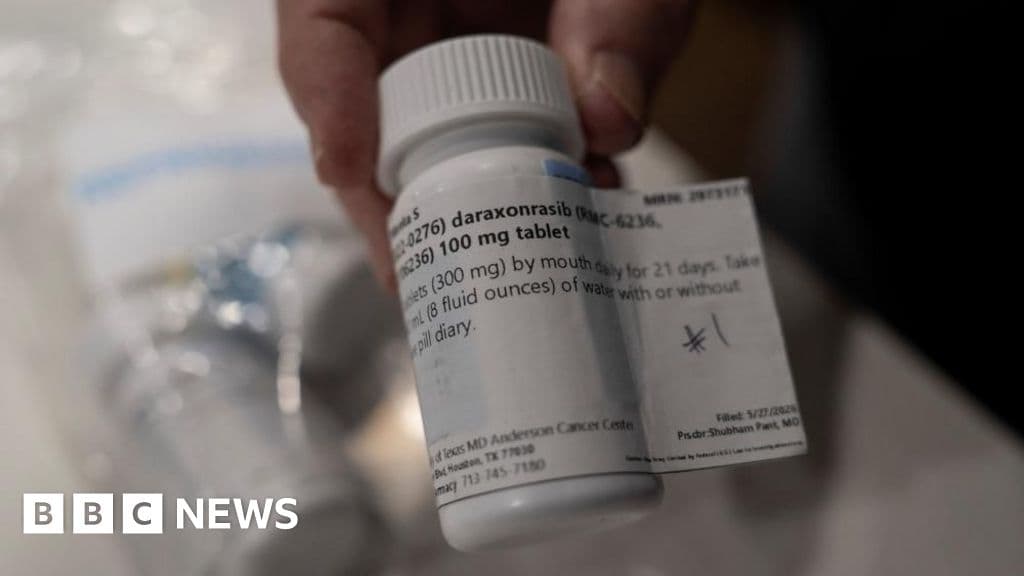
Discover how daraxonrasib, a new pill, is nearly doubling survival rates for pancreatic cancer patients, offering hope in a challenging battle against this deadly disease.
BBC Health
Waste companies propose a £5 deposit on vapes to encourage proper disposal and curb littering as the environmental impact of vapes increases.
BBC Business