

Image: BBC Health
Discover how a groundbreaking pilot project could prevent thousands of miscarriages each year by offering early care and support for women in need.
GlipzoIn England, the standard protocol for accessing specialist NHS care typically requires women to endure three miscarriages before they can receive comprehensive assistance. This often leaves individuals feeling helpless and alone during a time when support is crucial. Lisa's poignant admission to her husband, "We're not waiting another year. We need to be pregnant and miscarry as soon as we possibly can," underscores the desperate situation many find themselves in.
Through the project, Lisa was prescribed progesterone to help sustain her pregnancy and a daily aspirin to enhance her chances of a healthy outcome. Now in her second trimester, she reflects on the significance of this support, saying, "There's so much support for pregnant women, but it didn't always feel like there was any support for women who were no longer pregnant. We're having to go through that journey of just feeling very sad."
Emily expressed that the project offered her much-needed clarity and support, stating, "Knowing there were things that could make a difference. That gives you some hope to hang on to." Through early interventions like increased doses of folic acid and regular monitoring, women like Emily can gain insights into potential issues contributing to their miscarriages, thereby alleviating feelings of guilt and shame.
The Birmingham study involved a comparison of two groups of 203 women who had previously experienced miscarriages. One group received standard NHS care, while the other was treated under a new model that provided enhanced support from the first miscarriage onward. The results indicated a slight reduction in miscarriage rates within the group receiving specialized care, highlighting the potential benefits of early intervention and ongoing support.
For those who experienced three miscarriages, the pathway aligned with existing NHS protocols, facilitating referrals to recurrent miscarriage clinics and additional medical assessments, including blood tests and pelvic ultrasounds.
This new approach not only empowers women with knowledge and resources but also fosters a more compassionate healthcare environment. As the project continues to evolve, stakeholders and advocates will be watching closely to see how these changes can be implemented on a broader scale, potentially saving lives and alleviating suffering for countless families.
In conclusion, the Birmingham pilot project exemplifies a crucial shift towards more effective and supportive care for women experiencing pregnancy loss. As awareness grows and practices evolve, the hope is that fewer women will have to endure the pain of miscarriage alone, paving the way for healthier pregnancies and families in the future.

Shocking findings from Nottingham's maternity unit reveal a toxic culture and alarming neglect. What can be done to improve care? Discover the details.
BBC Health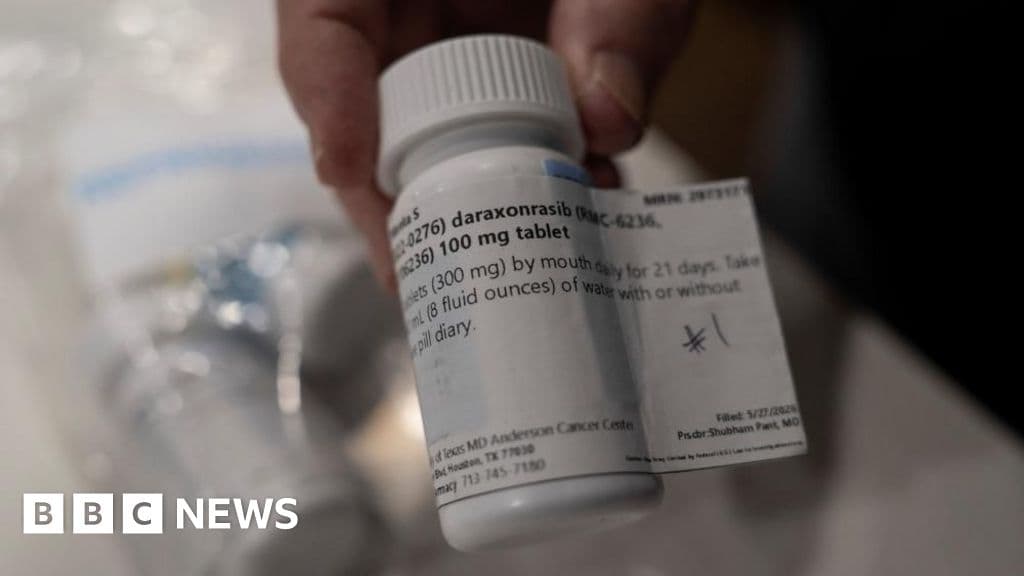
Discover how daraxonrasib, a new pill, is nearly doubling survival rates for pancreatic cancer patients, offering hope in a challenging battle against this deadly disease.
BBC Health
Waste companies propose a £5 deposit on vapes to encourage proper disposal and curb littering as the environmental impact of vapes increases.
BBC Business