
Image: BBC Health
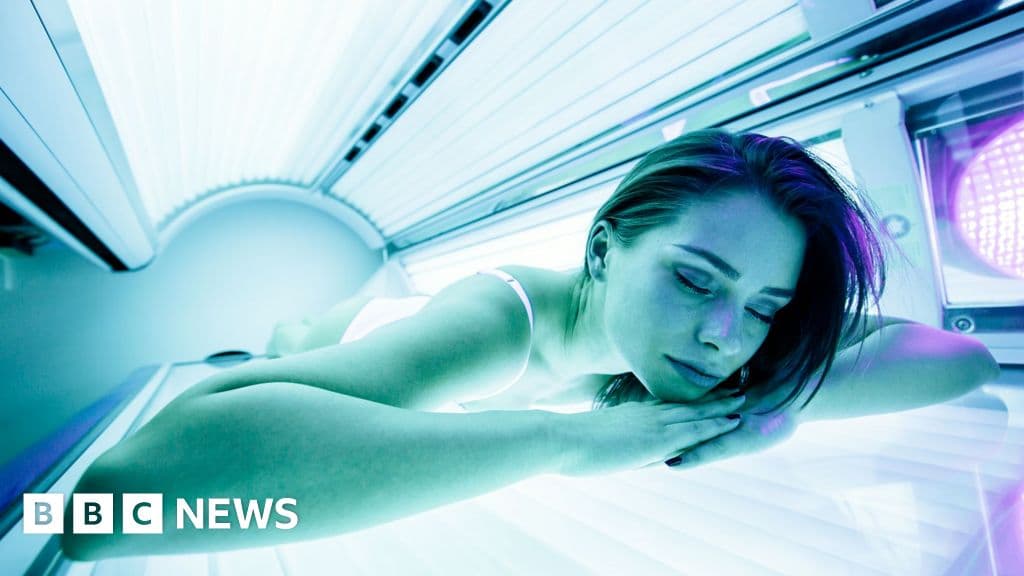
MPs are pushing for a ban on sunbed advertising and stricter regulations to prevent skin cancer. Learn what measures are being proposed and why they matter.
GlipzoIn a bold move to combat rising skin cancer rates, a cross-party group of Members of Parliament (MPs) is advocating for a ban on sunbed advertising across the UK. This initiative comes in light of alarming findings that most skin cancer cases are preventable, and the use of sunbeds, particularly by individuals under 35, significantly increases the risk of melanoma, the deadliest form of skin cancer, by 60%.
The All Party Parliamentary Group on Beauty has put forth a comprehensive report emphasizing the dangers associated with sunbed usage. They propose implementing strong warnings in shops and even displaying graphic images similar to those found on cigarette packaging to deter consumers from using tanning beds.
According to Cancer Research UK, seven individuals die from melanoma every day, making it the fifth most common cancer in the UK. The government's cancer action plan aims to introduce stricter regulations, including mandatory ID checks to prevent underage usage of sunbeds. However, the report suggests that government interventions must extend beyond regulation; public education is essential.
The report also points out that current mandatory sun safety teachings exist only in English primary schools, with no requirements for secondary education. Furthermore, schools lack policies for providing shaded areas during sunny weather, further exposing students to harmful UV rays.
To enhance public understanding, the report suggests launching long-term health campaigns aimed at raising awareness about the dangers of UV exposure. These campaigns could utilize various platforms, including apps, public transport, and digital billboards, along with information dissemination during GP check-ups.
Additionally, the MPs recommend providing training for professionals in the beauty and hairdressing industries, enabling them to recognize potentially cancerous moles and advise clients to seek medical attention. This proactive approach could significantly contribute to early detection and prevention.
The report also identifies a troubling trend of misinformation proliferating on social media. Many users are exposed to harmful myths suggesting that sun cream contains toxic chemicals or that natural alternatives are equally effective. Recent BBC research discovered numerous ads on platforms like TikTok, Instagram, and Facebook promoting sunbeds as beneficial for energy and skin conditions, which further complicates the public’s understanding of sun safety.
To address this issue, the report suggests leveraging the Online Safety Act to limit the spread of misleading information and collaborating with social media companies to highlight reliable sources of information regarding sun safety.
The report presents several recommendations aimed at improving public health and safety regarding sun exposure: - Remove VAT on Children’s Sun Cream: Treating sun creams as essential health products rather than cosmetic items could make them more accessible to families. - Increase Minimum Age for Sunbed Use: Gradually raising the minimum age for using sunbeds could mirror tobacco restrictions and help protect younger individuals. - Consider Global Examples: Countries like Australia and Brazil have already banned sunbeds for cosmetic and commercial purposes, serving as potential models for the UK.
The urgency of addressing sunbed usage and its consequences cannot be overstated. With skin cancer rates on the rise, particularly among younger populations, the proposed measures could save lives. By banning sunbed advertising and enhancing educational outreach, the UK has the opportunity to significantly reduce preventable skin cancers and foster a culture of health awareness.
Moving forward, it will be vital to monitor the impact of public health campaigns and any potential legislative changes regarding sunbed usage. Ensuring that the public remains informed and protected will be paramount in this ongoing battle against skin cancer.
The call for action is clear, and the need for effective regulation and education is more pressing than ever. The next steps will determine how the UK tackles this critical health issue and safeguards its population from the dangers of UV exposure.

Shocking findings from Nottingham's maternity unit reveal a toxic culture and alarming neglect. What can be done to improve care? Discover the details.
BBC Health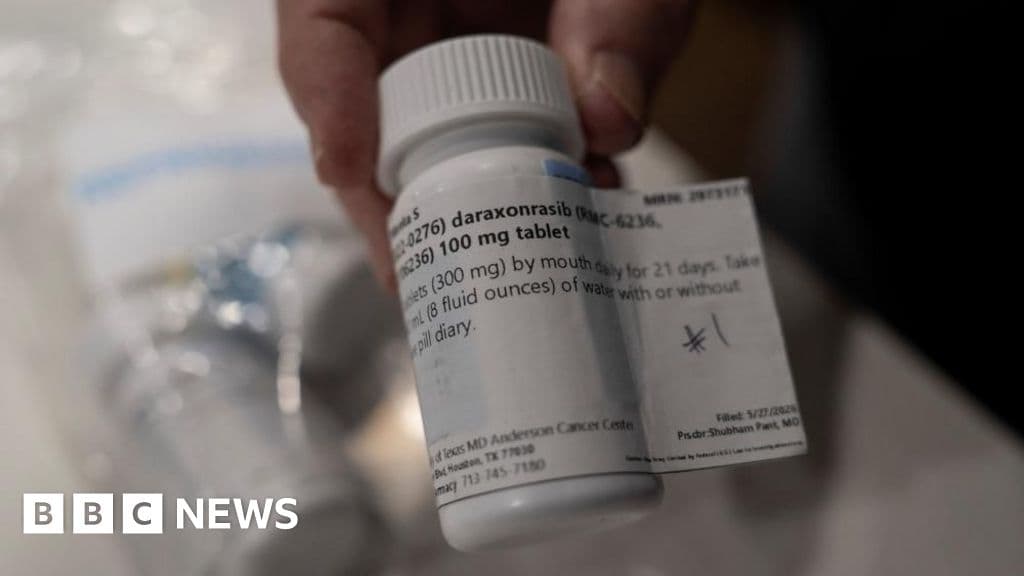
Discover how daraxonrasib, a new pill, is nearly doubling survival rates for pancreatic cancer patients, offering hope in a challenging battle against this deadly disease.
BBC Health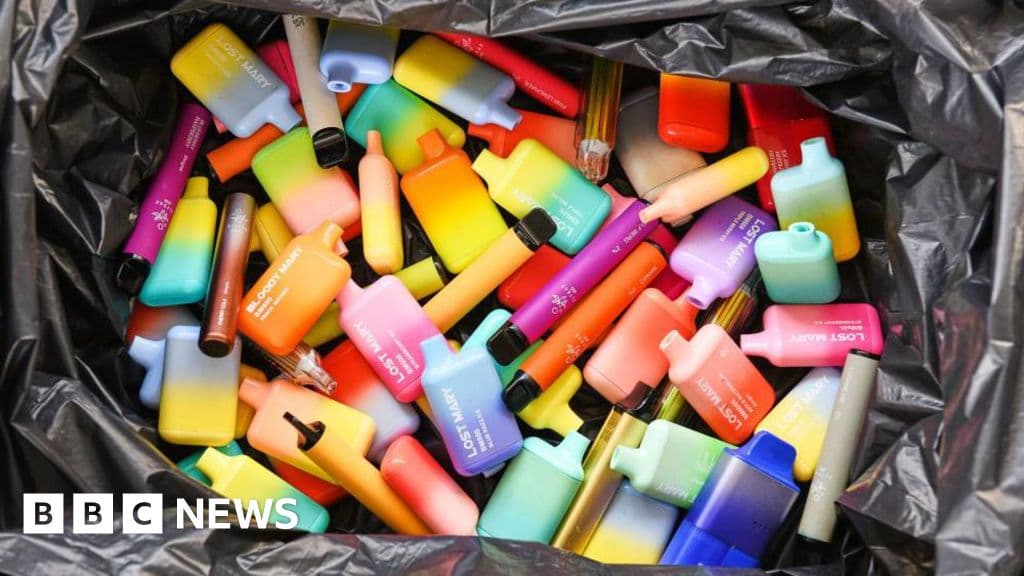
Waste companies propose a £5 deposit on vapes to encourage proper disposal and curb littering as the environmental impact of vapes increases.
BBC Business