

Image: BBC Science
MPs urge a ban on PFAS, 'forever chemicals', in products like school uniforms and pans, citing health and environmental risks. What’s next for UK regulations?
GlipzoMembers of Parliament (MPs) in the UK are making a bold demand for a complete ban on PFAS, often referred to as 'forever chemicals,' in various commonly used items such as school uniforms and non-stick frying pans. This push comes amid increasing concerns over the long-term effects these chemicals have on human health and the environment. The Environmental Audit Committee recently recommended this ban, prompting discussions around the necessity and safety of PFAS in everyday products.
PFAS, or per- and polyfluoroalkyl substances, encompass over 15,000 synthetic compounds that exhibit remarkable properties, such as resistance to water, oil, and high temperatures. These characteristics have led to their widespread use in everything from medical devices to raincoats. However, the durability that makes them so appealing also means they do not degrade easily, resulting in accumulation in the environment and the human body.
The potential hazards linked to PFAS have prompted growing scrutiny. According to Toby Perkins, chair of the Environmental Audit Committee, "Nearly all of us will have some level of PFAS in our bodies," highlighting a pervasive public health concern. Evidence suggests that exposure to certain PFAS compounds is linked to severe health risks, including increased rates of kidney cancer and elevated cholesterol levels.
Despite a lack of comprehensive research on all PFAS, some variants are known to be toxic and carcinogenic. Perkins reassured the public, stating that while the situation is serious, panic is unwarranted. He emphasized that now is the time to act before contamination escalates further.
In response to the Committee's recommendations, the government has indicated it will consider the findings. However, it recently unveiled its own PFAS action plan, which some critics argue is more focused on monitoring than on preventive measures or remediation efforts. The Committee's proposal suggests a phased elimination of non-essential PFAS uses by 2027, targeting products like cookware, food packaging, and everyday clothing where safer alternatives exist.
Dr. Dave Megson, a chemistry expert from Manchester Metropolitan University, pointed out the prevalence of PFAS in consumer products, noting that many are included for convenience—like stain resistance in school uniforms—without consumer awareness of the potential risks.
The reaction from environmental advocates and academics has been largely positive. Stephanie Metzger, a policy advisor at the Royal Society of Chemistry, praised the Committee's recommendations, advocating for mandatory regulations rather than allowing industries to self-regulate. Similarly, Mat Young from Cleaner Bentham, a community group focused on PFAS contamination, expressed satisfaction with the proposal for a remediation fund, emphasizing the urgency of addressing this issue, which he believes should have been tackled long ago.
Industry representatives, however, have voiced reservations about the Committee's findings. Tobias Gerfin from the Federation of European Cookware, Cutlery and Houseware Industries acknowledged the necessity of non-stick pans but warned that a ban could lead to unintended consequences, such as increased food waste from less effective alternatives.
As the debate unfolds in the UK, it is important to note that the European Union is set to approve a similar ban on PFAS later this year. The Committee has warned that if the UK fails to adopt comparable regulations, it risks falling behind in environmental protections and public health standards. The UK currently lacks the same level of funding and research capabilities as the EU, raising concerns about the country’s ability to address the PFAS issue effectively.
In conclusion, the call for a ban on PFAS in everyday products highlights a critical intersection of public health, environmental stewardship, and industry practices. As the government reviews the Environmental Audit Committee's recommendations, stakeholders are keenly watching for actions that may shape policies around these controversial chemicals. The outcome of this debate will likely influence both consumer safety and industrial standards in the years to come, underscoring the importance of prioritizing health and environmental well-being in product manufacturing.
As discussions about PFAS continue, several key points warrant attention: - Implementation Timeline: How quickly can the UK government phase out non-essential PFAS? - Research Initiatives: Will there be increased funding for research on alternatives to PFAS? - Monitoring and Enforcement: What measures will be put in place to ensure compliance with new regulations?
The future of PFAS regulation in the UK remains a crucial issue for both public health advocates and industry stakeholders. As consumers become more aware of the risks associated with these chemicals, the pressure on lawmakers to enact effective policies will only grow. The need for transparency and action has never been more urgent, as society grapples with the long-term implications of these widespread substances.

Shocking findings from Nottingham's maternity unit reveal a toxic culture and alarming neglect. What can be done to improve care? Discover the details.
BBC Health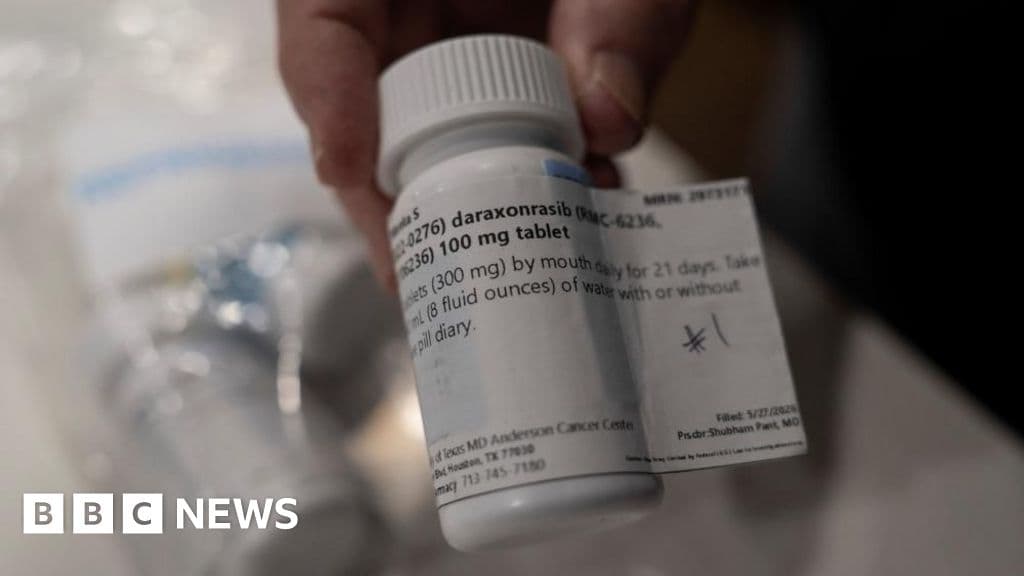
Discover how daraxonrasib, a new pill, is nearly doubling survival rates for pancreatic cancer patients, offering hope in a challenging battle against this deadly disease.
BBC Health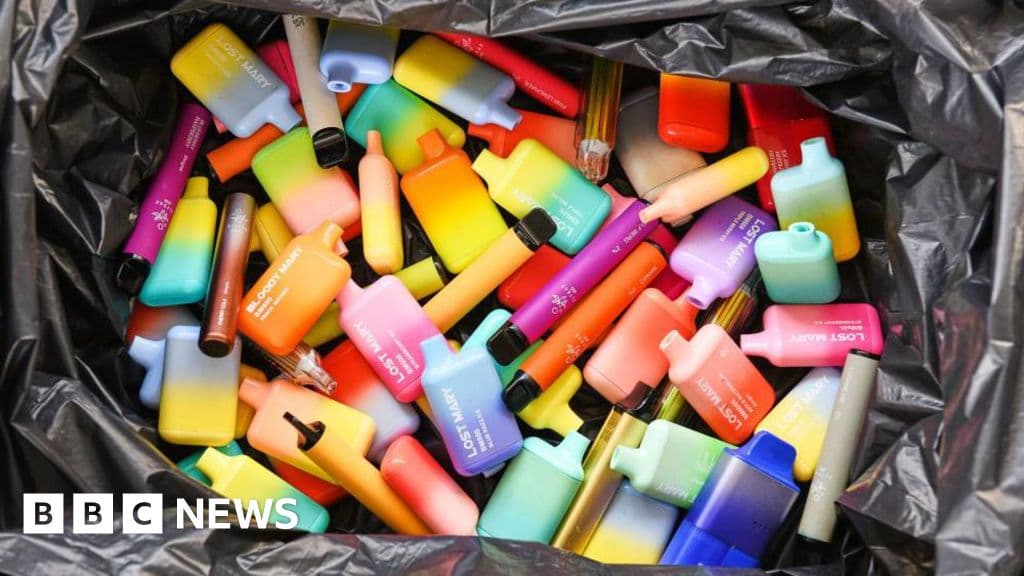
Waste companies propose a £5 deposit on vapes to encourage proper disposal and curb littering as the environmental impact of vapes increases.
BBC Business