
Image: BBC Health
A mother from Cornwall quits her job due to the stress of managing her daughter's severe food allergies, highlighting a growing public health crisis.
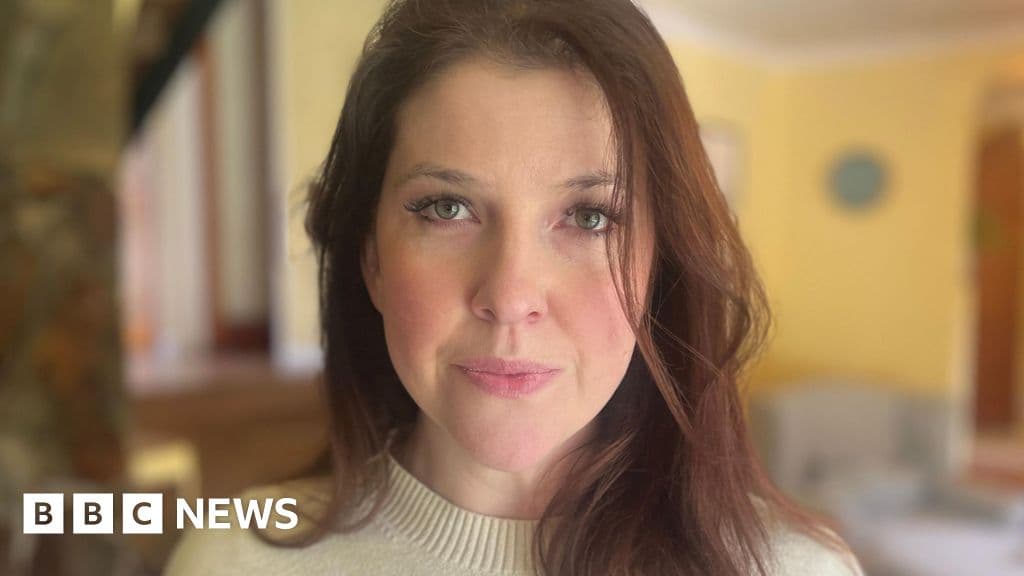
GlipzoIn a world where food allergies are becoming alarmingly common, one mother’s tale stands out. Katy, a devoted parent from Cornwall, made the life-altering decision to leave her legal career behind due to the overwhelming stress of managing her daughter Molly's severe food allergies. This decision, rooted in a traumatic experience, underscores the urgent need for better support and treatment options for families grappling with life-threatening allergies.
The catalyst for Katy's drastic choice came during a family vacation in Italy when Molly, then only one year old, suffered a terrifying allergic reaction. After dining at a local restaurant, Molly's condition quickly deteriorated; she became lethargic and floppy, leaving Katy and her husband in a state of panic. "We were terrified... We just ran through the streets trying to get back to the hotel," Katy recounted. The adrenaline pen she administered saved Molly’s life that day, but the emotional scars lingered long after.
Katy’s ordeal is not an isolated incident. As food allergies rise, the National Allergy Strategy Group is calling for enhanced access to critical treatments like oral immunotherapy (OIT) on the National Health Service (NHS). This innovative approach gradually exposes patients to small amounts of allergens to help them build a tolerance. However, current access to such treatments is limited, often leaving families like Katy’s in a precarious situation.
Molly's allergies include milk, eggs, and certain nuts, which pose significant challenges for everyday living. Despite Katy's meticulous efforts to ensure restaurant staff understood Molly's allergies, the dangers remained omnipresent. Just a year after the Italy incident, a muffin containing milk led to another severe reaction in England, solidifying Katy's decision to step away from her legal career.
Katy’s story highlights the broader implications of rising food allergies. According to research published in The Lancet in 2024, food allergy rates in England have doubled in the past decade, with the most significant increase among children under five. Approximately 4% of children now suffer from these potentially life-threatening conditions. Emergency hospital admissions for food-related anaphylaxis have also surged, with 1,709 cases reported in the last 20 years.
This alarming trend has drawn attention from health professionals. Professor Adam Fox, a leading expert in pediatric allergies, emphasizes the urgent public health repercussions of these rising rates. He advocates for improved access to treatments like OIT, which could significantly alleviate the burden faced by families.
Currently, oral immunotherapy is not routinely available on the NHS due to insufficient evidence of its effectiveness. However, ongoing trials and studies, including those by the European Academy of Allergy and Clinical Immunology (EAACI), suggest that OIT is both safe and effective. The challenge lies not in conducting research but in translating findings into accessible treatments for those in need.
Katy’s daughter Molly has been referred for OIT for her milk allergy, but the process has been slow, leaving the family in a state of uncertainty. "The unmet need for effective treatments is staggering," Katy remarked, reflecting on the emotional and financial toll of managing Molly's allergies.
Despite these challenges, there is a glimmer of hope. As Molly begins school, Katy feels more confident about her daughter’s welfare, especially with the recent announcement that allergy training will become mandatory in England. This policy shift aims to equip educators and caregivers with the knowledge necessary to manage allergies proactively and effectively.
Katy's decision to leave her job was not taken lightly; she was due to return to her legal career after maternity leave for her second child. However, the stress of navigating Molly's allergies compelled her to prioritize her daughter's safety over her professional ambitions. The financial implications of this choice are significant, halving the family’s income, yet Katy believes it was necessary for her peace of mind.
As the landscape of food allergies continues to evolve, families like Katy's will be watching closely for changes in treatment availability and policy. The ongoing advocacy for improved access to oral immunotherapy and enhanced training for those who care for children with allergies is critical.
The need for solutions has never been more pressing, as millions of families face the daily challenges that come with managing food allergies. As awareness grows, so too does the hope for a future where parents no longer have to make heartbreaking choices between their careers and the safety of their children.
Katy’s story is a powerful reminder of the real-life implications of food allergies and the urgent need for systemic change. With rising rates of allergies and mounting pressure on healthcare systems, the call for accessible treatments is more critical than ever. It’s a fight not just for individual families but for public health and safety on a larger scale.

Shocking findings from Nottingham's maternity unit reveal a toxic culture and alarming neglect. What can be done to improve care? Discover the details.
BBC Health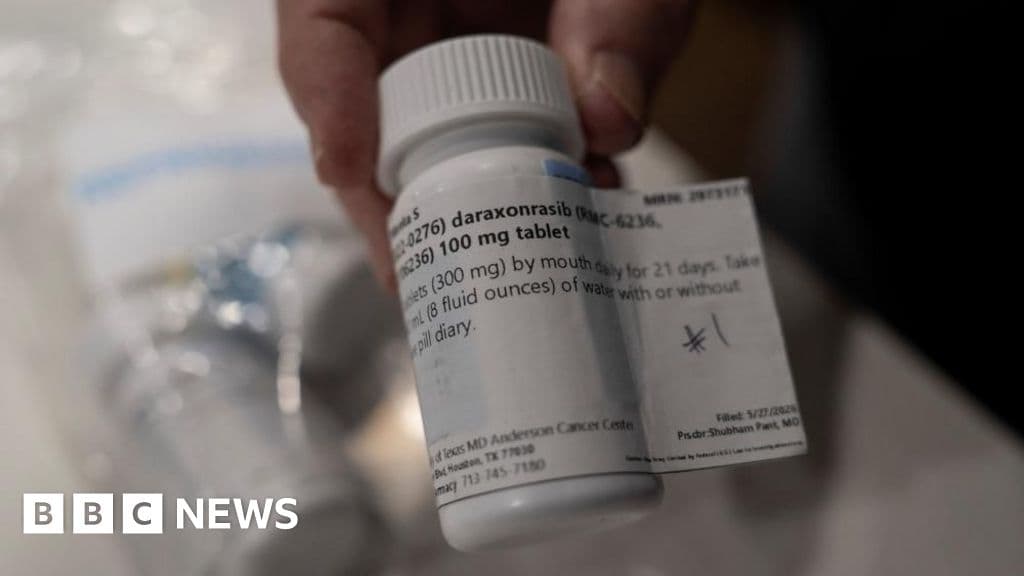
Discover how daraxonrasib, a new pill, is nearly doubling survival rates for pancreatic cancer patients, offering hope in a challenging battle against this deadly disease.
BBC Health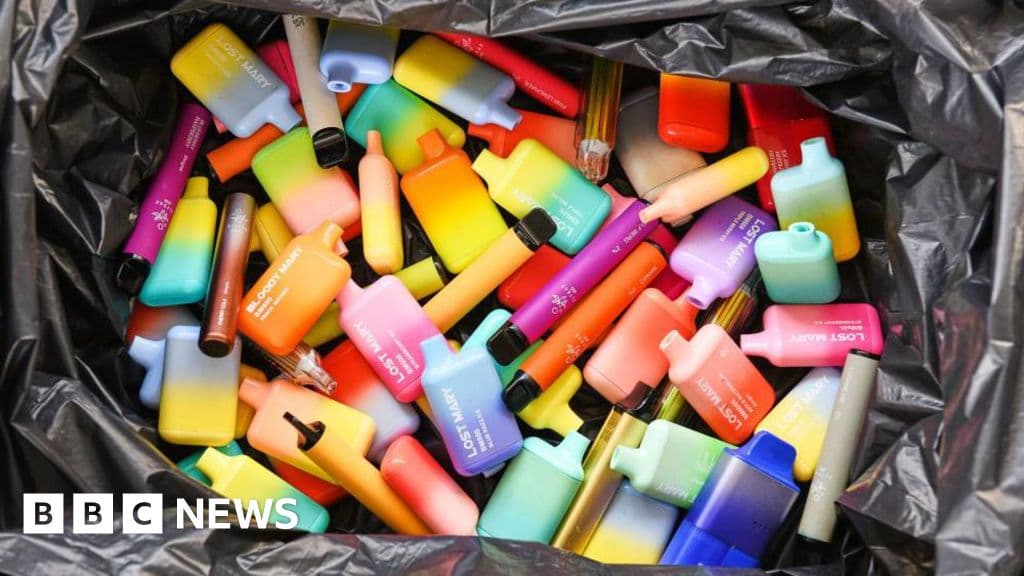
Waste companies propose a £5 deposit on vapes to encourage proper disposal and curb littering as the environmental impact of vapes increases.
BBC Business