

Image: The Verge
Meta is reportedly planning to cut 20% of its workforce amid a shift to AI investments. Discover what this means for the tech giant's future.
GlipzoIn a shocking turn of events, Meta Platforms Inc. is reportedly planning to lay off up to 20% of its workforce, which could amount to approximately 15,800 jobs. This decision emerges as the tech giant pivots its focus towards artificial intelligence (AI) and away from its previous investments in virtual reality (VR) and the Metaverse. The potential downsizing is set to be the most significant in Meta's history, following the termination of 22,000 employees between November 2022 and early 2023.
The news, first reported by Reuters, highlights a strategic shift within the company as it grapples with the financial implications of its ambitious AI initiatives. High costs associated with building data centers and expanding its AI talent pool have prompted Meta to reconsider its workforce size, leading to speculation about the future of various projects and departments.
Meta's reported layoffs come at a time when the company has signaled a retreat from its once-glorified vision for the Metaverse and VR. Instead, it appears to be redirecting its resources towards AI, which has become a hotbed of investment across the tech industry. The company has been actively seeking to secure top-tier AI talent and has also made strategic acquisitions, such as the purchase of Moltbook, which indicates its commitment to strengthening its position in the AI sector.
This shift raises important questions about the future direction of Meta's product offerings and whether the company will continue to develop its VR technologies. The decision to cut back on its Metaverse ambitions and close studios suggests a significant change in strategy, one that prioritizes immediate profitability and operational efficiency over long-term vision.
The impending layoffs come as Meta continues to face scrutiny over its various products, including its smart glasses and chatbots, which have received mixed feedback from consumers and critics alike. Internally, this reorganization could signal a need to streamline operations and focus on initiatives that promise higher returns on investment.
When approached for comment, Andy Stone, a spokesperson for Meta, remarked, “This is speculative reporting about theoretical approaches.” This statement, while vague, underscores the uncertainty surrounding the company's future strategy and the potential for further changes in its workforce.
As Meta navigates these turbulent waters, the path ahead remains uncertain. The decision to lay off such a significant portion of its workforce reflects not only the challenges the company faces but also the broader evolution of the tech industry towards AI. Stakeholders, including employees, investors, and consumers, will be watching closely to see how Meta adapts to these changes and what strategies it employs to ensure its relevance in an ever-evolving digital landscape.
In the coming weeks, it will be critical to monitor updates from Meta regarding their workforce strategy, financial performance, and any new product developments. The implications of these changes will resonate not just within Meta, but across the entire tech ecosystem as companies grapple with the balance between innovation, efficiency, and employee welfare.
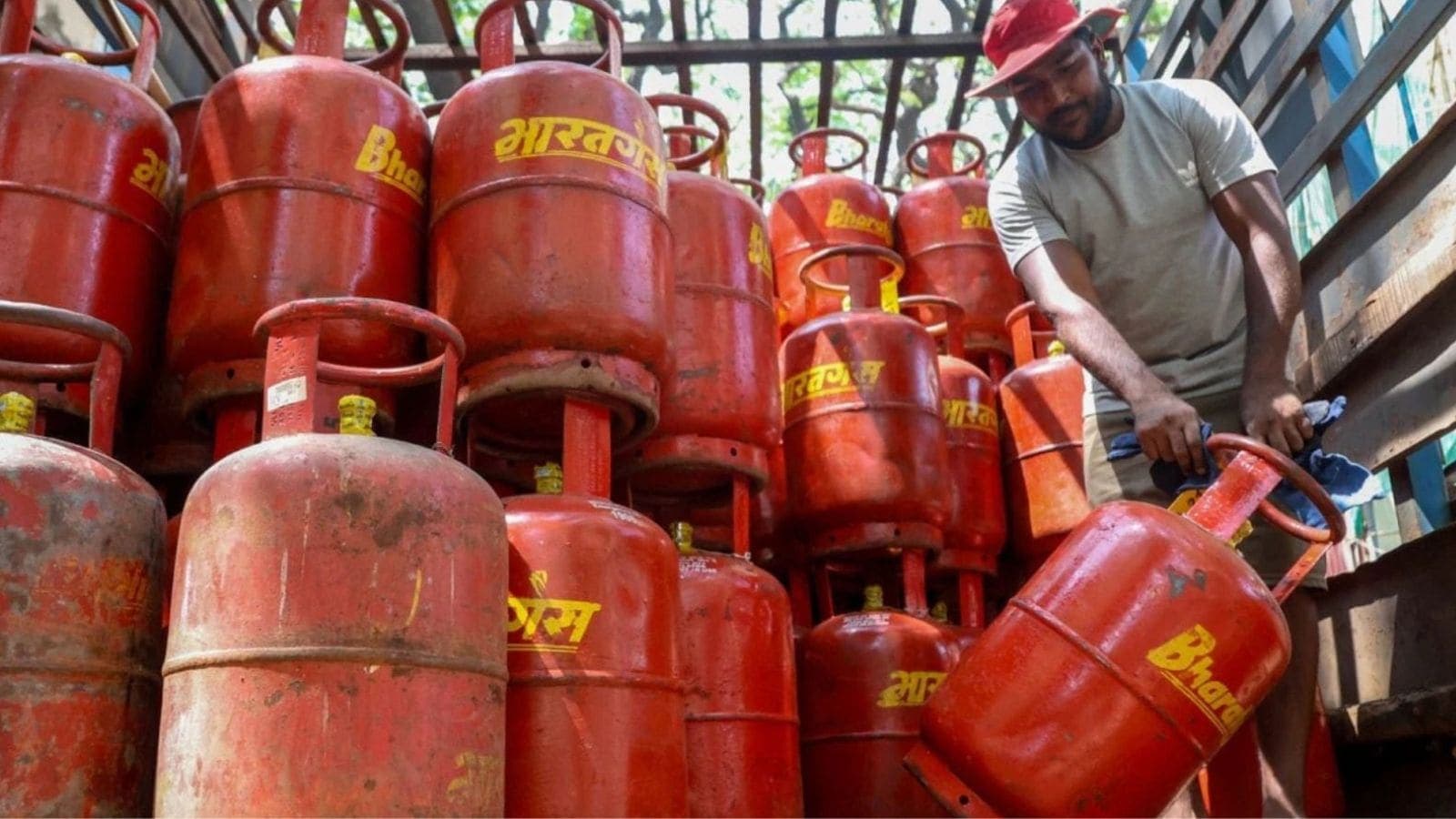
Commercial LPG prices have risen again, with increases of ₹42 in Delhi and ₹53.50 in Kolkata impacting businesses and consumers alike. Find out more.
Indian Express
Discover how a tragic coal mine explosion in Shanxi, China, reveals ongoing safety concerns in the industry amidst a push for green energy.
BBC Business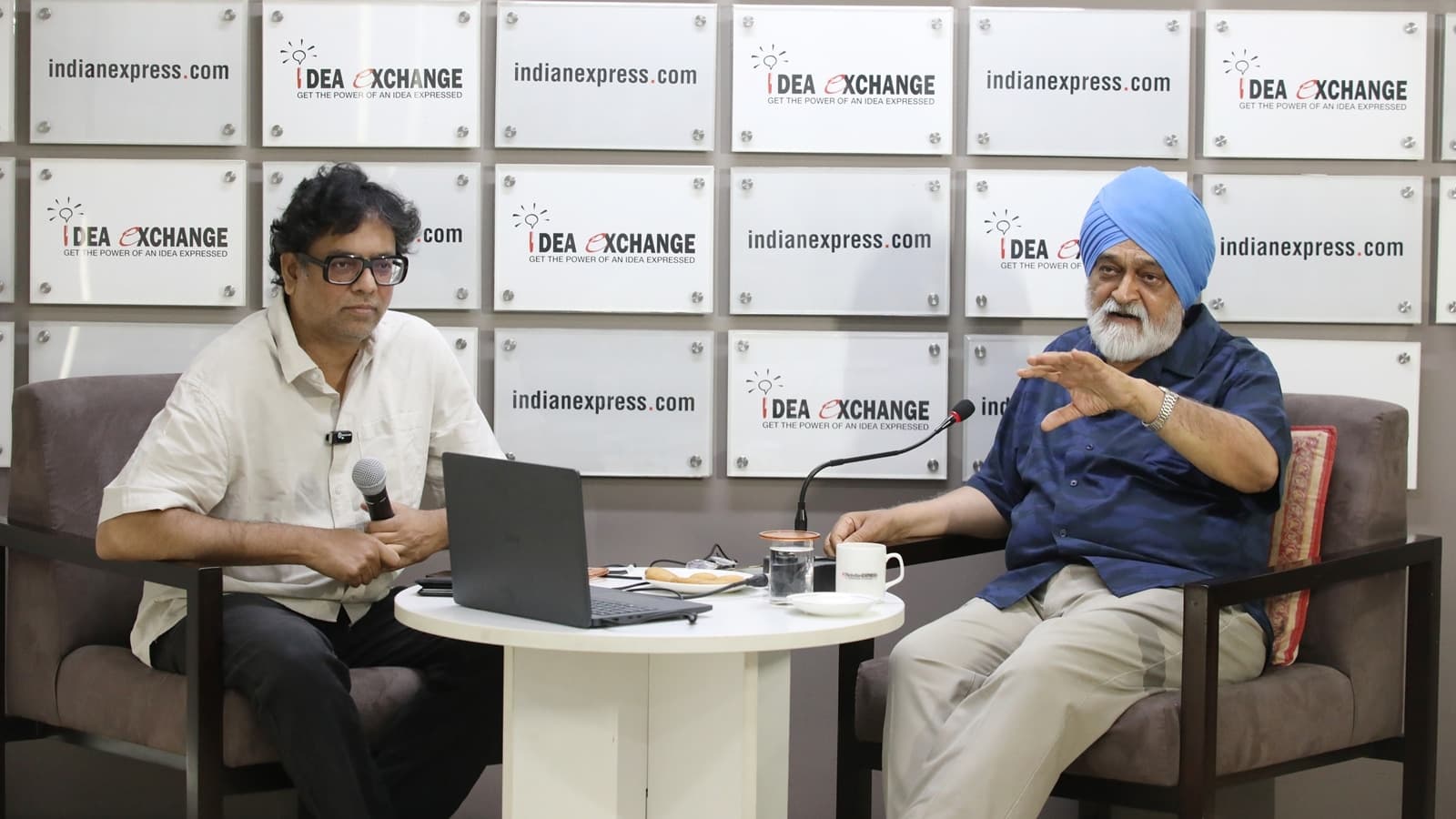
Montek Singh Ahluwalia highlights key economic challenges for India, emphasizing the need for a strategic approach to balance payments and investment.
Indian Express