

Image: Mint (Business)
Discover how median CEO salaries in India have hit ₹10.5 crore amid market struggles, and why CFOs are seeing the sharpest increases in pay.
GlipzoIn the financial year 2025–26, the median salary for non-promoter CEOs in India rose to ₹10.5 crore, reflecting a modest 5% increase compared to the previous year. This slow growth marks the lowest rate of increase since the COVID-19 pandemic, as highlighted in a recent Deloitte India report released on March 30, 2026. The findings underscore the challenges faced by executives amid a turbulent equity market that has significantly impacted performance-linked bonuses.
The report emphasizes that approximately one-third of CEO compensation is derived from equity incentives, including stock options and performance shares. As the broader market struggles, the potential for these payouts diminishes, leading to a cap on overall salary growth for corporate leaders.
The Indian stock market concluded FY26 with disappointing results, marking its worst annual performance since the onset of the pandemic six years ago. A notable selloff on the final trading day compounded this downward trend, culminating in a lackluster sentiment among investors. This adverse market environment has played a significant role in the restrained salary increments for chief executives.
In contrast to CEO salaries, other C-level executives such as Chief Financial Officers (CFOs) experienced a notable salary increase of 4% to 10%. The report indicates that CFOs saw the most significant rise in compensation, driven by high turnover rates and a growing emphasis on capital efficiency and shareholder accountability. The median salary for CFOs reached ₹4.5 crore, reflecting their increasingly pivotal role in corporate governance.
Another emerging trend highlighted in the report is the recognition of the Chief Digital Officer (CDO) role as an essential part of the executive team. This shift demonstrates a growing acknowledgment of digital transformation within organizations, which has become more critical than ever in today's competitive landscape.
Anandorup Ghose, a Partner at Deloitte India, commented on the restrained growth in executive compensation, noting the increased maturity in CXO pay decisions. He stated, “Given the ongoing underperformance of Indian equity markets over the past 12-18 months, it is natural that pay increases were lower last year.” Ghose also pointed out that the current geopolitical climate adds to market volatility, further complicating compensation strategies.
Despite the slower growth in pay, the survey indicates that the performance assessment of CXOs remains robust in India. Executives are evaluated based on a combination of financial and non-financial metrics, with a data-driven approach that allows for discretion in the determination of rewards. This methodology helps organizations align their long-term business strategies with appropriate compensation plans while ensuring accountability.
The trend is shifting towards the use of multi-year stock grants for CXOs, alongside selective one-time retention awards designed for key talent to foster a high return on investment. Larger firms, particularly those within the Nifty50 Index, are increasingly implementing complex multi-year performance share plans, while smaller companies tend to favor traditional stock options or Employee Stock Ownership Plans (ESOPs).
Ghose emphasizes that leading organizations are increasingly rewarding their executive teams based on internal performance metrics rather than solely on share price fluctuations. This approach aims to mitigate the risks associated with share-based payments, especially in light of ongoing global conflicts that can create market instability. He anticipates that more companies will adopt strategies to promote sustainable value creation through robust executive employment contracts and accountability mechanisms.
As we look ahead, the landscape of executive compensation in India appears poised for further evolution. Companies may need to continue adapting their strategies in response to both domestic and global economic factors.
Watch for how firms respond to ongoing market challenges, as this will likely influence future compensation trends. The potential for changes in global economic policies and local market dynamics will be crucial in shaping the remuneration landscape for CXOs in the coming years.
This survey reveals that while the growth of CEO pay may have slowed, the mechanisms governing executive compensation are becoming increasingly sophisticated and aligned with broader business goals. As market conditions evolve, so too will the strategies that organizations employ to attract and retain top talent in a competitive environment.
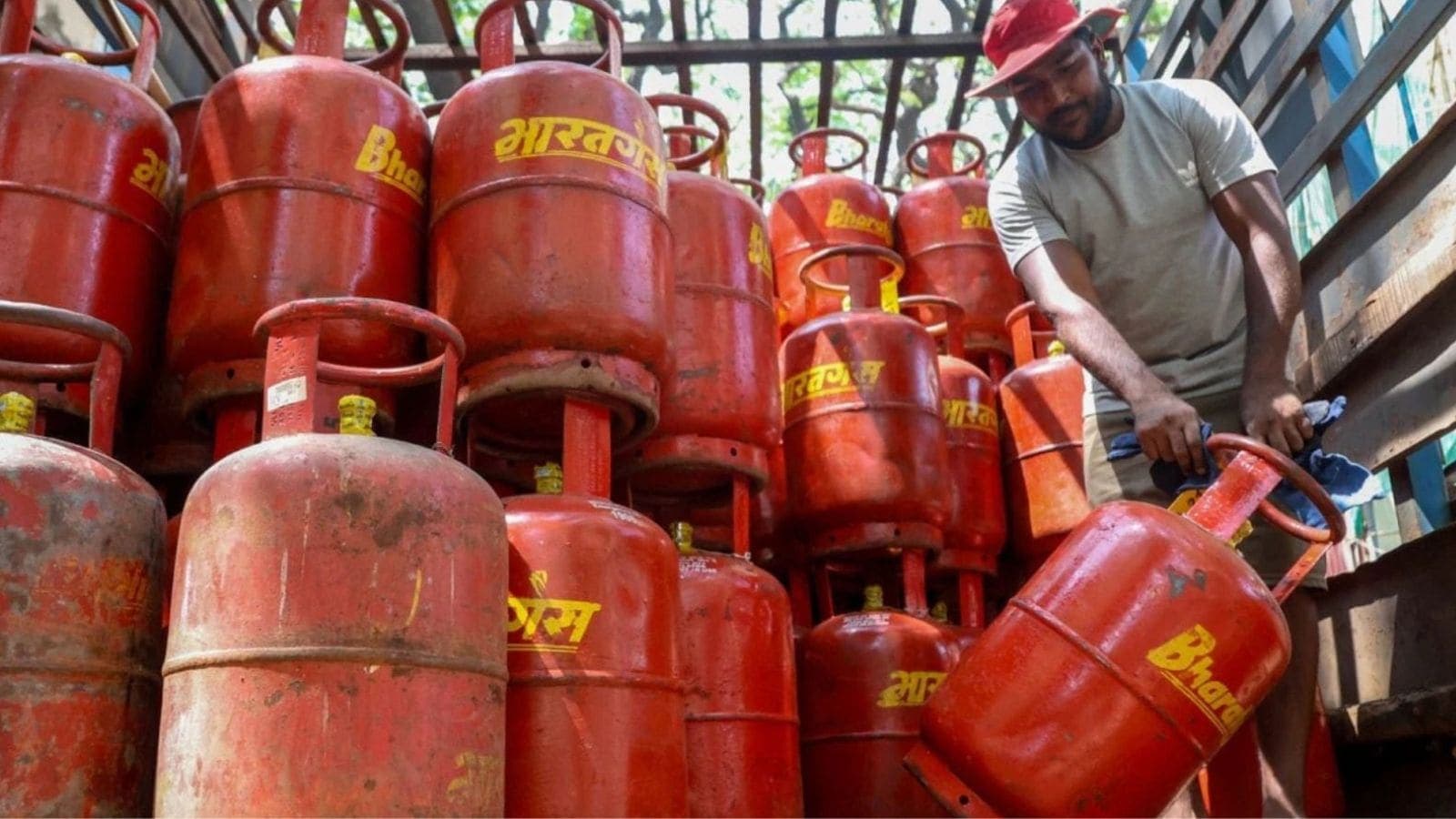
Commercial LPG prices have risen again, with increases of ₹42 in Delhi and ₹53.50 in Kolkata impacting businesses and consumers alike. Find out more.
Indian Express
Discover how a tragic coal mine explosion in Shanxi, China, reveals ongoing safety concerns in the industry amidst a push for green energy.
BBC Business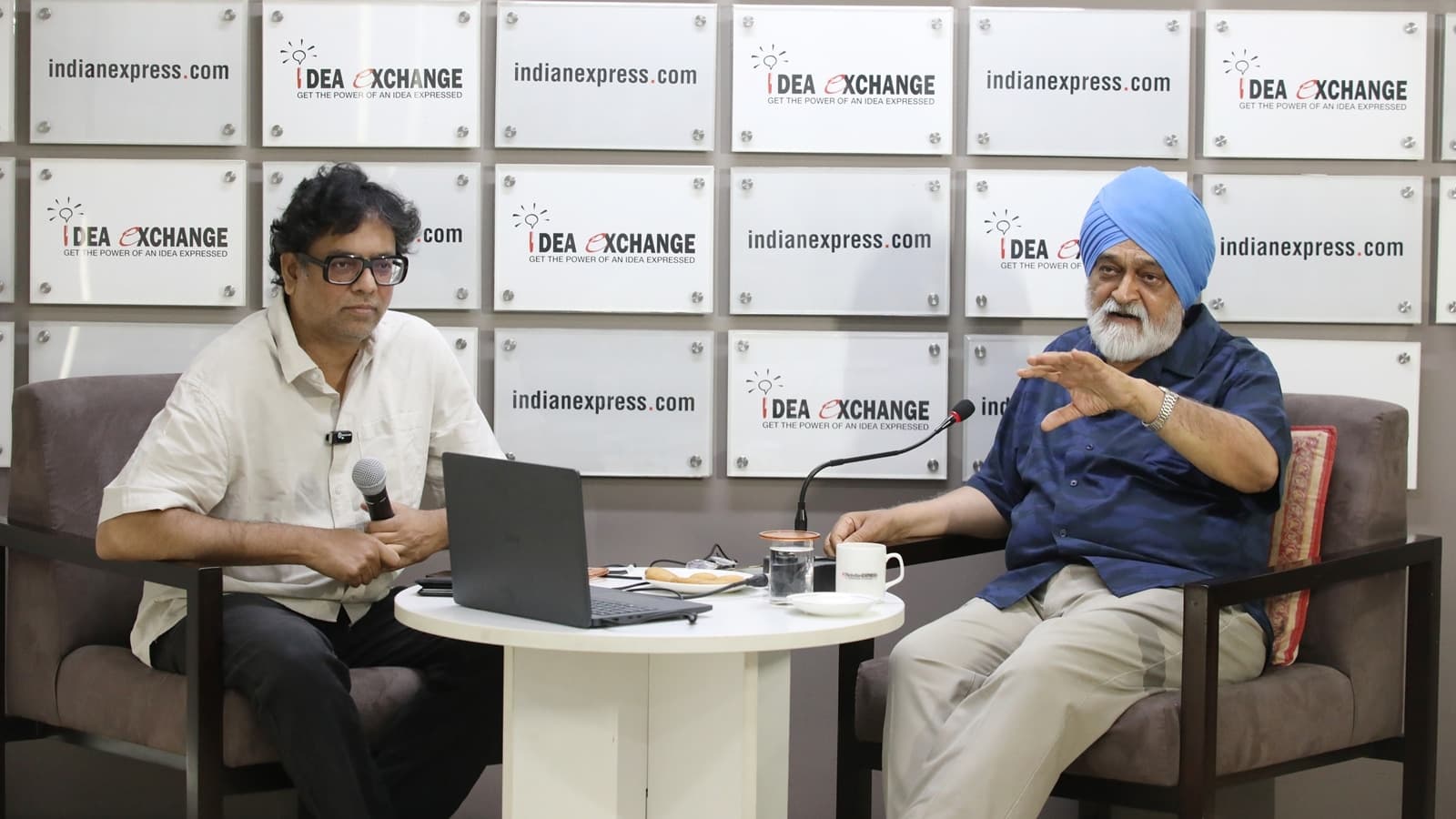
Montek Singh Ahluwalia highlights key economic challenges for India, emphasizing the need for a strategic approach to balance payments and investment.
Indian Express