
Image: BBC Technology
London Mayor Sadiq Khan warns of a major disinformation crisis, citing alarming trends in online narratives portraying the city negatively. What’s next?
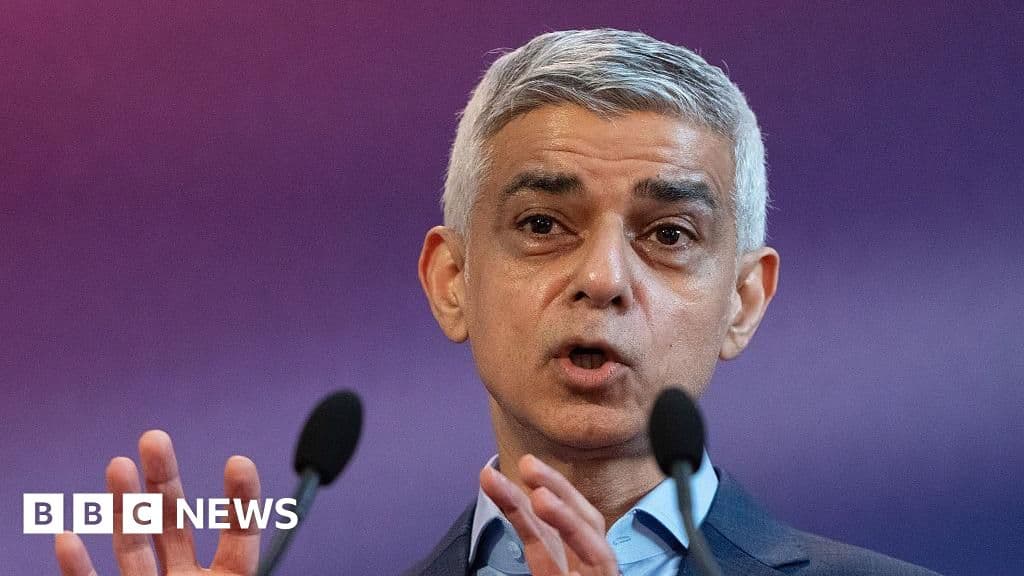
GlipzoIn a striking address, Sir Sadiq Khan, the Mayor of London, recently described the city as being engulfed in a "dark blizzard of disinformation." This warning comes as part of a broader discussion on how social media platforms are allegedly facilitating the spread of false narratives that portray London as a city in decline. Khan's comments, made at the Cambridge Disinformation Summit on October 12, 2023, highlight the urgent need for action against organized misinformation campaigns that exploit societal divisions for profit.
The mayor referred to new research from City Hall indicating that various hostile entities, including foreign governments and extremist groups, have been actively promoting a negative image of London. He argued that these disinformation efforts have turned into a lucrative industry, fueled by what he calls an "outrage economy." This phenomenon allows malicious actors to profit from societal divisions by inciting anger and distrust among the public.
The findings from the analysis commissioned by the Greater London Authority (GLA) reveal alarming trends regarding how London is discussed online. Between March 2024 and March 2026, there was an extraordinary increase of 150% to 200% in online content that labeled London as a "fallen city" plagued by unpunished crime and a loss of basic decency. In particular, narratives related to migration surged by an astounding 350%, further complicating the city’s image.
Despite these claims, Khan emphasized that the per capita homicide rate in London has fallen to its lowest level on record, suggesting a stark contrast between reality and perception. The research uncovered that various extreme right-wing groups in the UK, alongside accounts with ties to Russian and Chinese state interests, have been instrumental in amplifying these negative portrayals of London.
One of the more concerning aspects highlighted in the report is the use of AI-generated content and impersonation of legitimate media outlets to spread false narratives. A notable network, identified as operating from Vietnam, was found to have reached over one million followers with sensationalized posts about London.
Moreover, encrypted messaging apps, particularly Telegram, were pinpointed as key platforms for the spread of disinformation before it cascades onto mainstream social media networks. The authors of the report acknowledged that their findings serve as a starting point, indicating trends without offering a comprehensive view due to limited access to data from social media platforms and a lack of transparency in their moderation practices.
Khan's concerns are not limited to digital spaces; he underscored the tangible dangers that arise from these online campaigns. He referenced a shocking incident where a retiree resorted to violence, destroying a ULEZ camera with explosives after being immersed in conspiracy-laden social media groups. This case starkly illustrates how digital misinformation can incite real-world violence, making it imperative for action to be taken.
The mayor stated, “As extremists erode trust in our city and its institutions, it gets easier and easier for them to twist online anger into offline violence.” He expressed hope that London could serve as a "canary in the coalmine" for disinformation, while also being the city where the fight against it began.
In response to the growing concerns, Khan has reached out to the leaders of major social media platforms, including TikTok, Meta, Google, and X, to demand enhanced transparency regarding their algorithms. He argued for an end to "opaque algorithms designed to maximize engagement at any cost," urging these companies to allow vetted independent researchers access to their data. This would facilitate better monitoring of coordinated disinformation campaigns.
While TikTok emphasized its collaborative relationship with City Hall and its commitment to removing inauthentic behavior, it also noted that the GLA's research did not include data from its platform. Meta, for its part, asserted that it is continually working to disrupt coordinated misinformation efforts.
Khan's warnings serve as a critical reminder of the influence of disinformation in shaping public perception and its potential to incite violence. As misinformation becomes increasingly sophisticated and pervasive, the responsibility lies with both tech companies and the public to remain vigilant against its spread.
In the coming months, London and its leaders may face significant challenges as they navigate this complex landscape. The outcomes of Khan's advocacy for transparency and accountability from social media platforms will be critical in determining how effectively the city can combat misinformation.
As we move forward, it will be crucial to monitor how social media companies respond to these calls for transparency and how the narratives around London evolve in light of ongoing research and public scrutiny. With London positioned as a potential frontline in the battle against disinformation, the outcomes of these efforts could set a precedent for other cities facing similar challenges. The fight against misinformation is far from over, and the stakes have never been higher.

Tensions soar as the US and Iran engage in air strikes near the Strait of Hormuz, raising concerns over global oil supply and regional stability.
BBC World
Trump's international interventions face serious stalemates. What will this mean for U.S. foreign policy? Explore the critical challenges ahead.
Indian Express
Tehran denies resignation of President Masoud Pezeshkian amid claims of IRGC influence. What does this mean for Iran's political stability? Click to learn more!
Indian Express