

Image: The Hindu
India's market rises 1.1% as LPG supply concerns ease, signaling cautious optimism after weeks of decline. What does this mean for investors?
GlipzoIn a surprising turn of events, India's benchmark stock indices experienced a notable surge of 1.1% on March 16, 2026, as optimism surrounding LPG supply eased amid the ongoing conflict in Iran. This positive shift comes after two Indian ships successfully transported liquefied petroleum gas (LPG) to India for the first time since the war's initiation, marking a significant milestone in energy logistics.
The Nifty50 and BSESensex30 indices opened at 23,116.10 and 74,415.79, respectively. After an initial dip in trading, the indices gradually climbed, reaching highs of 23,502 and 75,805.27 before ultimately closing at 23,408.80 and 75,502.85. Despite this rebound, market sentiment remained mixed, with only 2,212 stocks advancing against 1,074 declines among the 3,371 stocks traded on the National Stock Exchange (NSE) that day.
The recent uptick in the market comes after a disheartening streak of three consecutive weeks of negative returns, during which benchmark indices had seen a decline of over 5%. While the signs of recovery are welcome, they have yet to translate into a favorable impact on oil prices or foreign exchange rates. As of the latest reports, Brent Crude Futures were holding steady at approximately $102 per barrel, while the Indian rupee traded at over ₹92 against the dollar.
Adding to the cautious sentiment, wholesale inflation figures for February revealed a rate of 2.3%, which has further tempered investor confidence. According to Siddhartha Khemka, Head of Research at Motilal Oswal Financial Services Ltd, the market was initially pressured by rising oil prices, which climbed by 1.7% to $105 per barrel, alongside escalating tensions in the Middle East following reports of Iran deploying its advanced Sejjil missile amid the conflict involving the U.S. and Israel.
Despite these challenges, the market witnessed a strong rebound during mid-session trading. The Nifty index closed the day with a gain of 257 points, reflecting a 1% increase. This recovery was primarily fueled by reports indicating that the U.S. is preparing to form a coalition aimed at escorting ships through the Strait of Hormuz, a vital route for global energy supplies. This move has significantly eased fears of potential disruptions in energy logistics.
The successful passage of two Indian LPG carriers, Shivalik and Nanda Devi, carrying approximately 92,712 metric tonnes of LPG into India, has also alleviated previous supply concerns, bolstering market sentiment. Furthermore, a wave of value buying was observed at lower stock prices, particularly in sectors such as banking, cement, and automobiles.
While the overall market trend indicated a recovery, it is important to note that the positivity was not uniformly felt across all sectors. Out of 21 sectoral indices on the NSE, only six managed to finish in the green, underscoring the selective nature of the market's upward movement.
The mixed performance reflects underlying uncertainties that continue to plague investors. As the situation in the Middle East remains tense, many market participants are keeping a close eye on global oil trends and geopolitical developments that could impact energy supply chains.
Understanding these dynamics is crucial for investors as they navigate the current market landscape. The rebound in indices, primarily driven by energy supply news, highlights the interconnectedness of global events and domestic markets. As India increasingly relies on energy imports, fluctuations in supply can have significant implications for inflation and overall economic stability.
Investors should remain vigilant, considering the potential for volatility as geopolitical tensions evolve and their subsequent impact on oil prices and currency valuation. While the recent market gains are promising, they serve as a reminder of the delicate balance between recovery and the ever-present risk of external shocks.
As we look ahead, several factors will be key in shaping market performance: - Geopolitical Developments: Continued monitoring of the Iran conflict and U.S. responses. - Oil Price Trends: Fluctuations in crude oil prices and their impact on domestic inflation. - Economic Indicators: Upcoming reports on inflation and employment rates that could influence investor sentiment. - Sector Performance: Observing which sectors demonstrate resilience in the face of ongoing challenges.
In conclusion, while the market's recent rise is a positive sign, investors must stay informed and agile in response to the rapidly changing global landscape. The ability to adapt to these dynamics will be crucial in navigating potential challenges ahead.
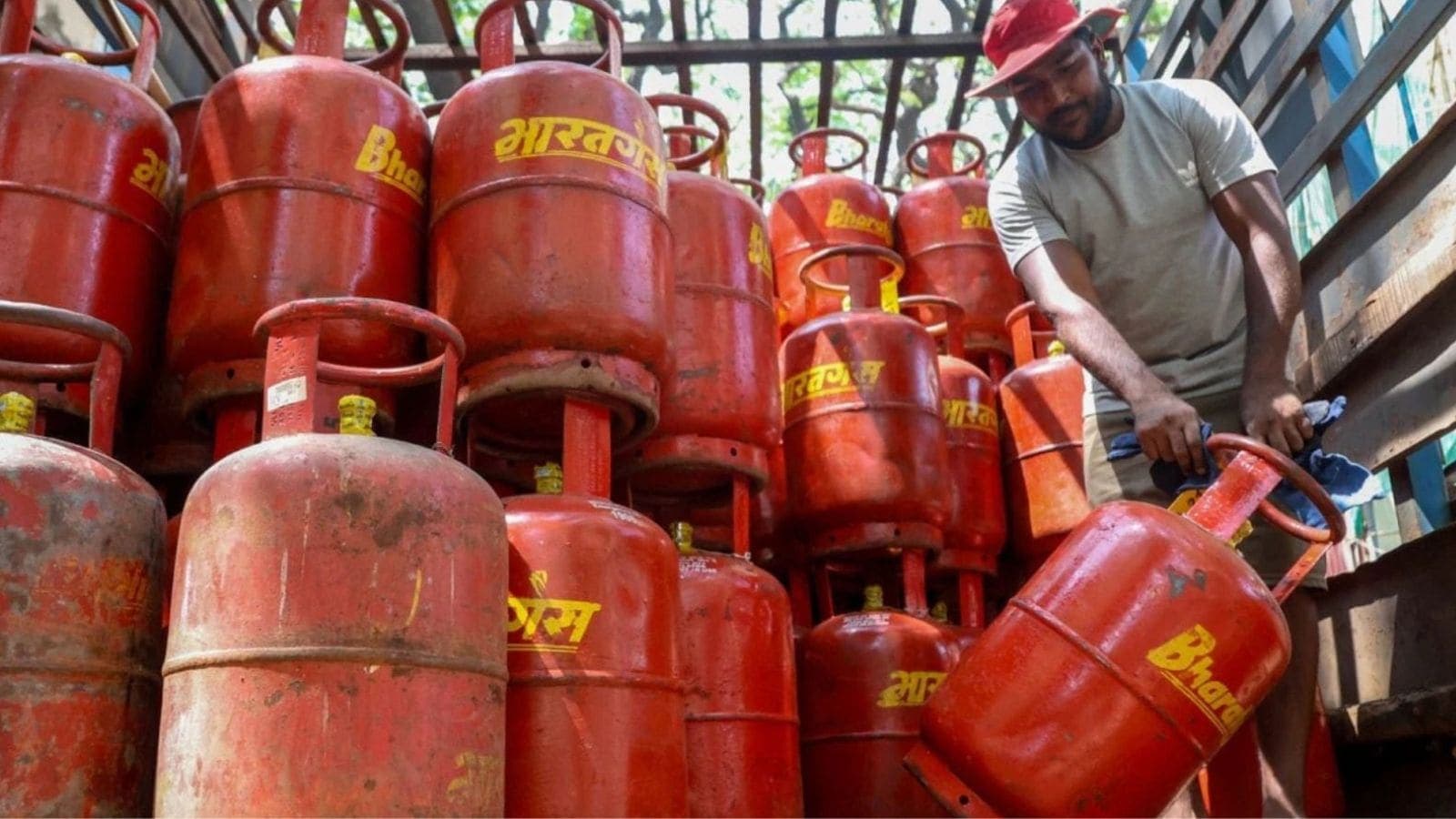
Commercial LPG prices have risen again, with increases of ₹42 in Delhi and ₹53.50 in Kolkata impacting businesses and consumers alike. Find out more.
Indian Express
Discover how a tragic coal mine explosion in Shanxi, China, reveals ongoing safety concerns in the industry amidst a push for green energy.
BBC Business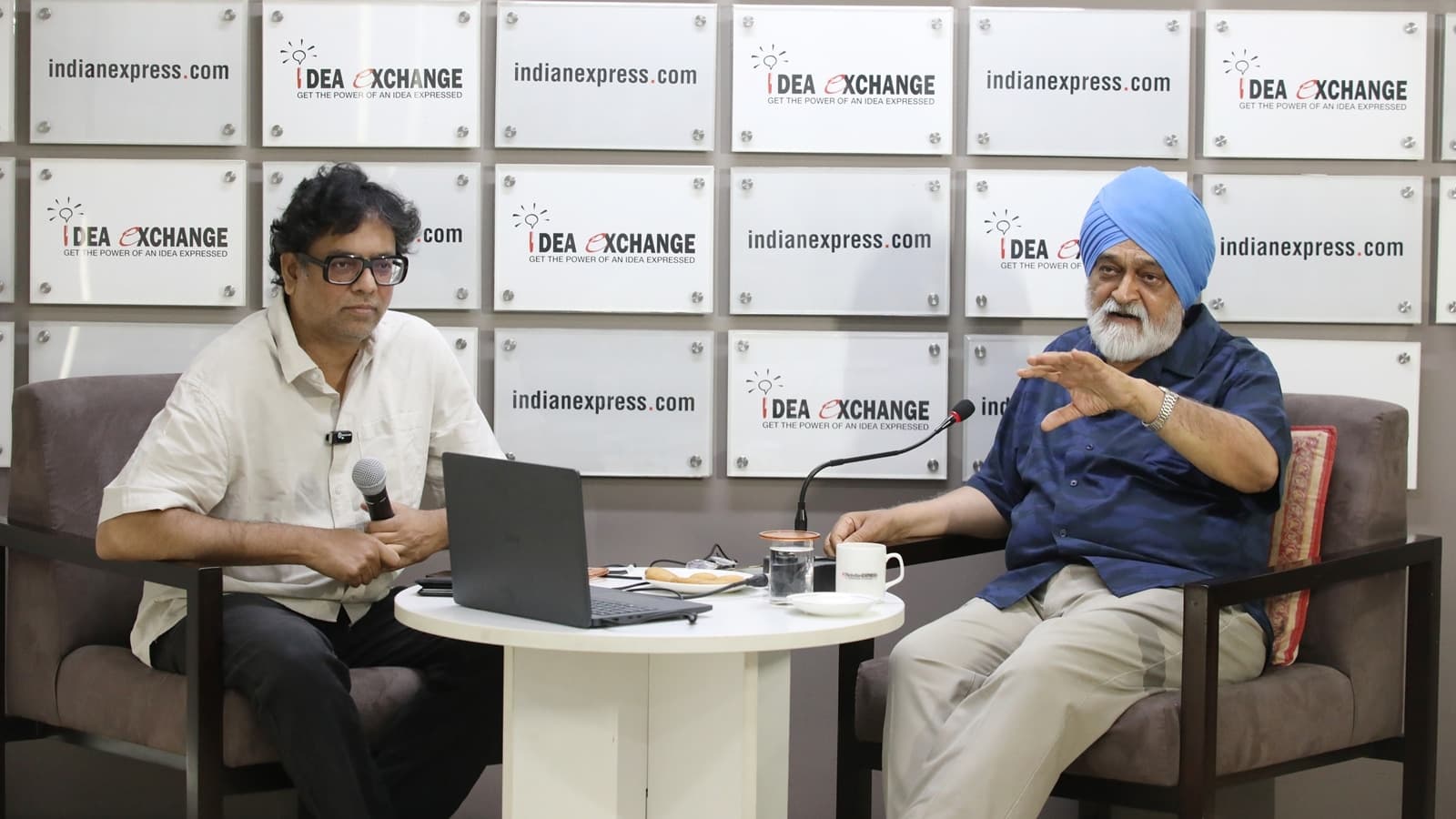
Montek Singh Ahluwalia highlights key economic challenges for India, emphasizing the need for a strategic approach to balance payments and investment.
Indian Express