
Image: BBC Health
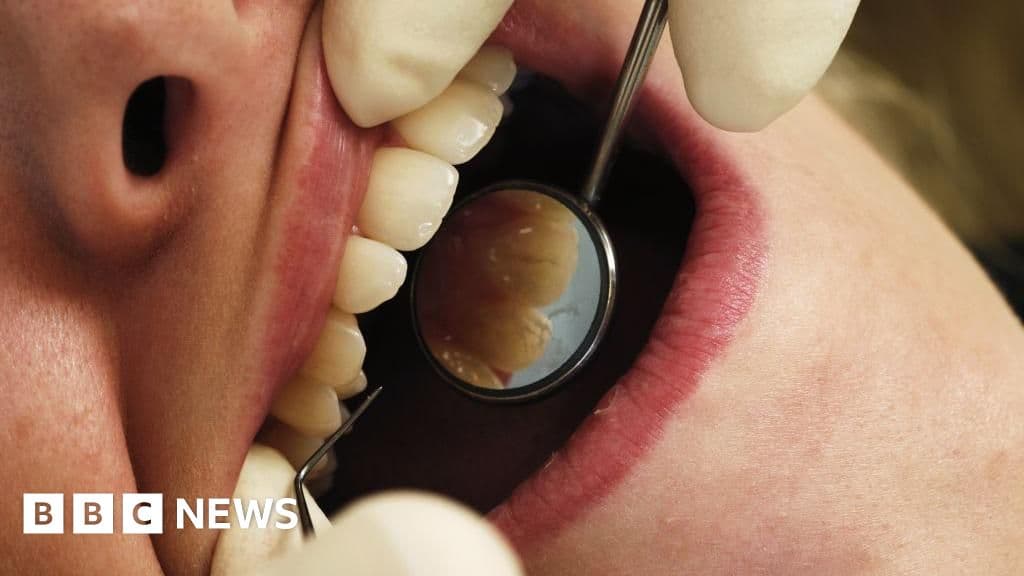
NSW health authorities warn patients of retired dentist to test for bloodborne viruses like HIV after poor infection control practices at clinic.
GlipzoIn a significant health advisory, New South Wales health authorities have urged former patients of a retired dentist to undergo testing for bloodborne viruses, including HIV, hepatitis B, and hepatitis C. The warning stems from alarming findings related to infection control practices at the clinic run by Dr. William Tam, located in Strathfield, western Sydney.
This development raises critical concerns about patient safety, as the NSW Ministry of Health revealed that thousands of individuals may have been exposed to these potentially life-threatening viruses during their visits. According to the health ministry's statement issued on Wednesday, the risk of infection is classified as low, but the potential health ramifications cannot be understated.
Dr. Leena Gupta, the public health clinical director at the Sydney Local Health District, emphasized the importance of testing, stating, "The poor infection control practices at Dr. Tam's practice mean all former patients may be at low risk of a blood borne virus infection, which can have serious and long-lasting health impacts." She highlighted that many individuals infected with these viruses might remain asymptomatic for years, underscoring the necessity of proactive testing.
Patients who frequented Dr. Tam’s clinic over the past 25 years are particularly urged to seek medical assessments, as there are no existing records to directly notify them of the potential exposure. This lack of communication poses a significant challenge in addressing the health concerns effectively.
The issues at Dr. Tam’s practice came to light following an audit conducted in April. During this inspection, health officials identified serious lapses in cleaning protocols and the sterilization of equipment. Dr. Zeina Najjar, a staff specialist in the Sydney Local Health District, confirmed that these findings led to immediate action, with Dr. Tam retiring just two weeks after the audit.
Such revelations are not unique to this case, as they echo previous incidents where dental practices in Australia faced scrutiny over similar issues. Notably, in 2018, roughly 10,000 patients were advised to get tested for potential HIV and hepatitis exposure from another clinic in Haberfield. Similarly, patients in Mortdale faced comparable alerts last October when another dentist was barred from practicing due to violations in infection control standards.
The current situation highlights a critical gap in healthcare practices that can lead to widespread public health risks. With bloodborne viruses posing severe health threats, the implications extend beyond just the individuals affected. If left unchecked, these practices can undermine public trust in healthcare systems and provoke widespread anxiety among patients seeking dental care.
The NSW health authorities’ proactive response serves as a critical reminder of the importance of maintaining stringent infection control measures in healthcare settings. It also accentuates the need for greater vigilance among patients regarding their health and safety in clinical environments.
As this situation evolves, it will be crucial for health officials to monitor the outcomes of testing among the affected patients. Future steps may include: - Increased inspections of dental practices to ensure compliance with safety regulations. - Public health campaigns aimed at educating patients about the importance of regular testing for bloodborne viruses, especially for those who have had dental work done. - Ongoing updates from health authorities regarding the situation and any new findings that may arise.
The incident serves as a stark reminder of the necessity for rigorous adherence to health standards in all healthcare professions. As patients await results and further guidance, the focus will remain on ensuring that such lapses in care do not occur again in the future. Ensuring that healthcare providers are held accountable is paramount to preserving public health and safety.
In conclusion, the exposure risk may be low, but the implications of inadequate infection control practices highlight a critical need for vigilance and accountability in healthcare. Future reports and actions taken by health authorities will be essential in restoring trust and ensuring patient safety moving forward.

Shocking findings from Nottingham's maternity unit reveal a toxic culture and alarming neglect. What can be done to improve care? Discover the details.
BBC Health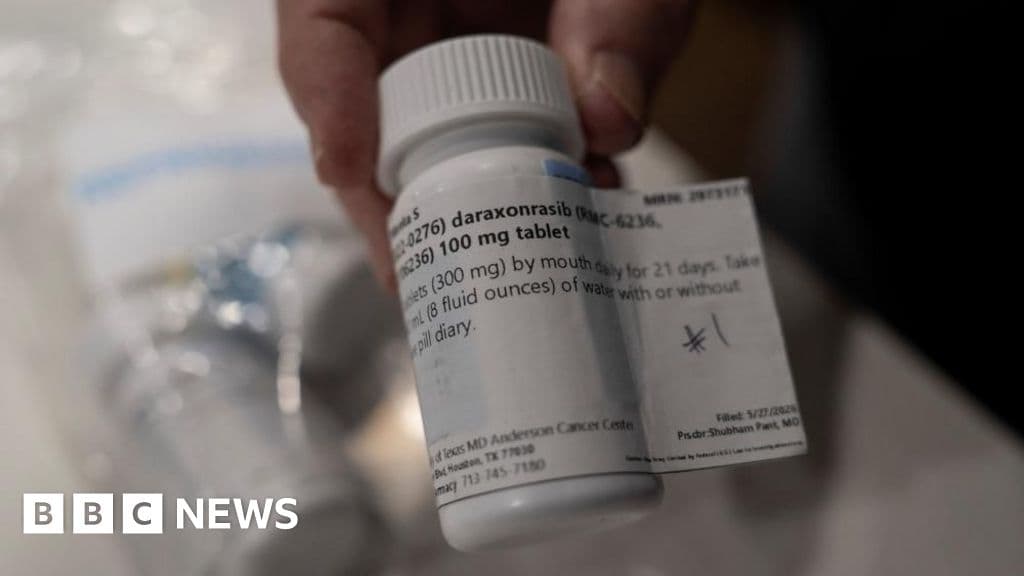
Discover how daraxonrasib, a new pill, is nearly doubling survival rates for pancreatic cancer patients, offering hope in a challenging battle against this deadly disease.
BBC Health
Waste companies propose a £5 deposit on vapes to encourage proper disposal and curb littering as the environmental impact of vapes increases.
BBC Business