
Image: Mint (Business)
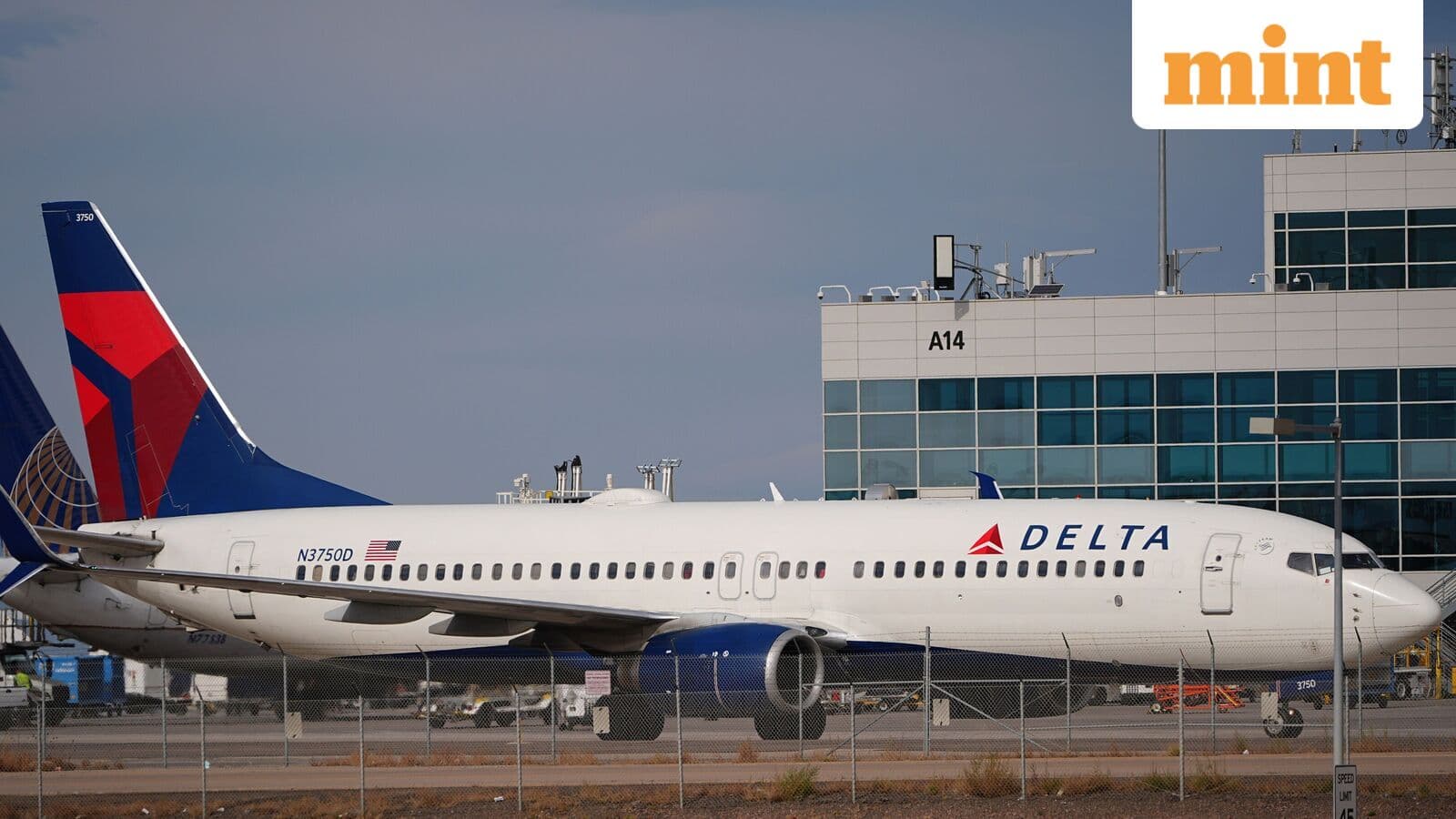
Airfares soar in the US as jet fuel prices spike amid the ongoing Iran conflict. Explore how this impacts travelers and the airline industry.
GlipzoAs the conflict in Iran escalates, US airlines are grappling with a significant rise in airfares, driven largely by soaring jet fuel costs. The ongoing war, which commenced in late February, is now in its third week and has caused widespread disruption in the aviation industry, particularly in the Middle East. Despite these challenges, demand for air travel remains robust, as reported by The New York Times.
In a recent investor conference, executives from major US airlines observed that strong travel demand is helping to cushion the impacts of disruptions caused by both winter storms and the considerable jump in jet fuel prices following the onset of the war. As of Monday, jet fuel prices have surged approximately 50% higher than pre-war levels, highlighting the urgency for airlines to adjust their fare structures.
According to Forbes, jet fuel typically represents 20% to 25% of airlines' operating expenses. Recent data from the Argus U.S. Jet Fuel Index indicates that prices reached $3.93 per gallon on Tuesday, signifying an increase of about 57% since the conflict began. This spike in fuel costs is a critical factor driving fare increases across the industry.
New insights from Consumer Edge reveal that the average ticket transaction values have risen sharply among the six largest US airlines, showing a 2% increase at American Airlines and a whopping 16% at Delta Air Lines during the week ending March 8 compared to the previous week.
Despite facing an estimated $400 million in additional fuel expenses, both American Airlines and Delta Air Lines have chosen not to adjust their profit forecasts for the first quarter. This decision reflects the resilience of ticket sales, with both airlines reporting that eight of their ten highest sales days have occurred this year alone. American Airlines anticipates an increase in revenue for the first quarter by over 10% compared to the same period last year, marking a substantial year-on-year growth.
A recent pricing analysis conducted by Deutsche Bank highlights that airfares have experienced an upward trend since the onset of the conflict, particularly affecting last-minute bookings, which are often favored by business travelers. For instance, on March 12, the average fare for next-day flights to destinations in Asia and Europe reached approximately $1,900, a stark contrast to the $830 average for similar flights just weeks earlier on February 26.
#### Key Changes in Airfares: - Last-minute flights to Europe: Increased from $830 to $1,900. - Transpacific flights: Risen from $1,000 to around $1,900. - Coast-to-coast flights within the US: Up by at least 16%.
Interestingly, while flights to Latin America have seen minimal fare changes, those heading to Mexico have largely remained stable, indicating varied market responses to the ongoing conflict.
The increase in airfares is predominantly linked to the surge in jet fuel prices, which represent the second-largest operating cost for airlines after labor. Before the conflict erupted, jet fuel was priced around $2.50 a gallon; it has now escalated to $3.78 per gallon, according to Argus Media.
On Thursday, Reuters reported that European airline executives have issued warnings regarding the potential long-term effects of the conflict, suggesting that extended hostilities in the Middle East could lead to even higher airfares. Michael O'Leary, CEO of Ryanair, emphasized the urgency of the situation, stating, "The longer it goes on, the bleaker it will look." Although many European airlines are currently shielded by fuel hedges, these contracts will expire in the months ahead, raising concerns about future fare increases.
As the situation in Iran continues to unfold, the aviation sector faces a precarious balance between rising costs and persistent travel demand. The potential for further fare increases looms, particularly as airlines assess their operational strategies in light of fluctuating fuel prices and ongoing geopolitical instability.
In the coming weeks, travelers should remain vigilant regarding airfare trends, especially for last-minute bookings, as they may face significantly higher costs. Airlines will need to navigate these challenges carefully, balancing the need to remain profitable against the imperative to keep travel accessible and appealing to consumers.
As this conflict persists, all eyes will be on the airline industry to see how they respond to these economic pressures and whether they can maintain a steady flow of travelers despite the rising costs. Will airlines find innovative ways to mitigate these challenges, or will fares continue to soar? Only time will tell.
Commercial LPG prices have risen again, with increases of ₹42 in Delhi and ₹53.50 in Kolkata impacting businesses and consumers alike. Find out more.
Indian Express
Discover how a tragic coal mine explosion in Shanxi, China, reveals ongoing safety concerns in the industry amidst a push for green energy.
BBC Business
Montek Singh Ahluwalia highlights key economic challenges for India, emphasizing the need for a strategic approach to balance payments and investment.
Indian Express