
Image: Mint (Business)
LPG bookings soar to 90% amid geopolitical tensions; no dry-outs reported. Explore how India is managing its energy supply during this crisis.
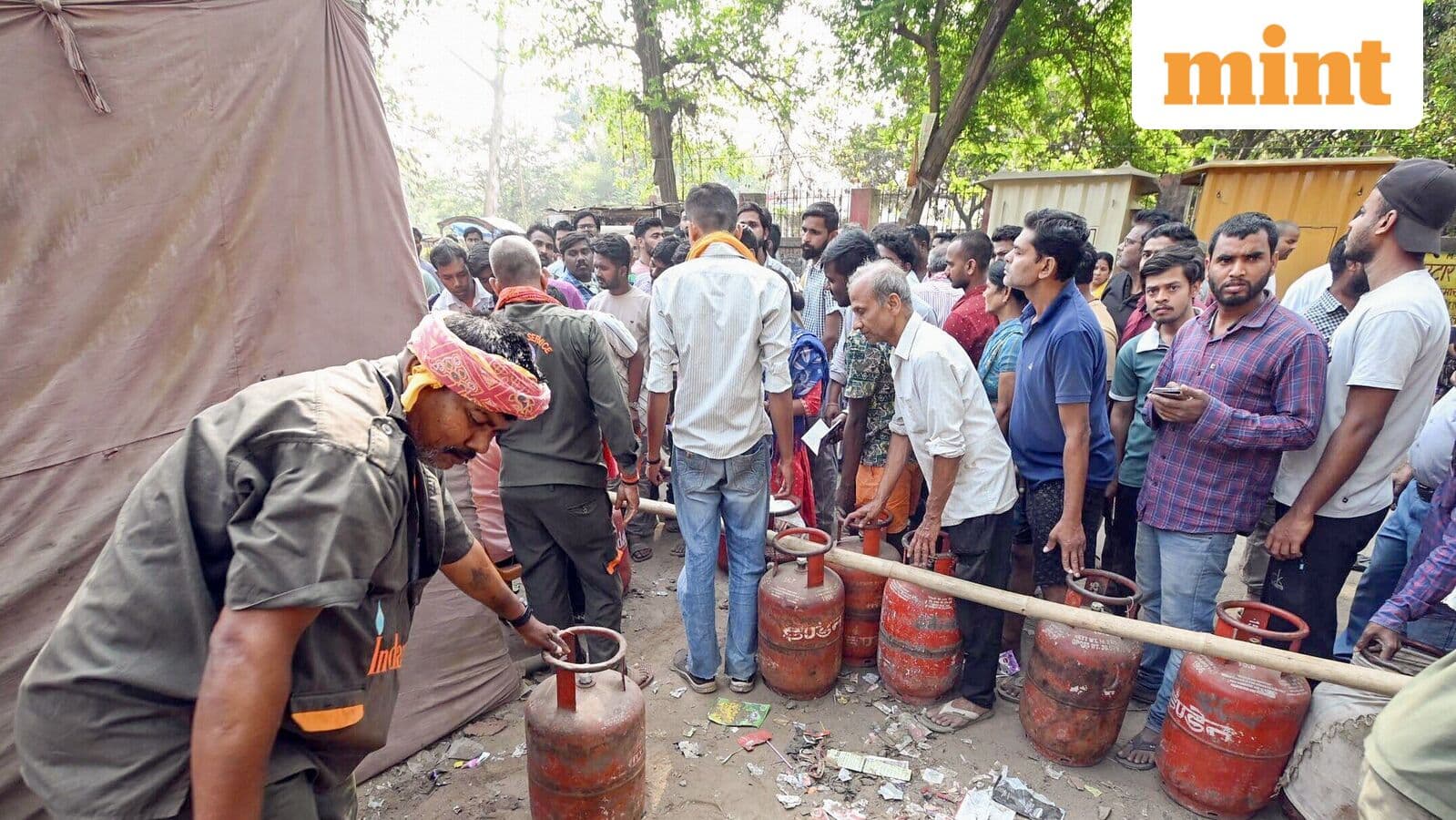
GlipzoIn a significant development reflecting current geopolitical tensions, the Union Ministry of Petroleum and Natural Gas announced on Tuesday that online bookings for liquefied petroleum gas (LPG) cylinders have surged to 90%. This increase comes as the ministry continues to monitor the supply situation across India, particularly in light of the ongoing conflict between Iran and the US-Israel coalition.
The rise in online bookings, which jumped from approximately 84% to 90%, indicates heightened consumer activity. Additionally, the Delivery Authentication Code (DAC) coverage has improved substantially, climbing from 53% to around 72%. This measure is part of a broader strategy to prevent the diversion of cylinders at the distribution level, ensuring that supplies are reaching consumers efficiently.
Amid this surge in bookings, the ministry has confirmed that there are currently no reports of dry-outs at any LPG distributorships. States and Union Territories, including Bihar, Delhi, Haryana, Rajasthan, Manipur, and Maharashtra, have issued directives to allocate non-domestic LPG according to the Government of India guidelines. This proactive approach aims to maintain supply levels and address any potential shortages that could arise from the geopolitical climate.
An official statement from the ministry also highlighted a 36% increase in domestic LPG production at refineries. This boost in output is crucial as the country faces challenges related to energy imports amidst ongoing tensions in the Middle East, particularly with the Strait of Hormuz now blocked, affecting a significant portion of global oil and gas shipments.
The current geopolitical situation is particularly precarious for Asia, which relies heavily on imported fuel, most of which is transported through the Strait of Hormuz. This vital maritime route is responsible for about 20% of global crude oil and liquefied natural gas (LNG) shipments. As conflicts escalate, the Indian government has adopted stricter regulations on natural and cooking gas while simultaneously engaging in diplomatic discussions with Iran to ensure safe passage for Indian vessels.
More than 20 Indian ships and hundreds of crew members remain stranded in the Gulf, creating uncertainty regarding their fate as hostilities continue to disrupt maritime flow. Tehran's reaction to recent US-Israeli strikes has nearly halted maritime activities through this critical passage, raising concerns about fuel availability in India, the world's fourth-largest LNG importer and second-largest LPG consumer.
In a positive turn of events, the Indian-flagged tanker Nanda Devi successfully docked at Vadinar, Jamnagar early Tuesday. The vessel, carrying a substantial 46,500 metric tons of LPG, arrived at 2:30 AM and is set to begin a ship-to-ship (STS) transfer of its cargo. This transfer is vital for ensuring that LPG supplies remain steady and accessible during these challenging times.
Sushil Kumar Singh, Chairman of the Deendayal Port Authority in Kandla, confirmed the vessel's arrival and outlined the logistics of the operation. He stated, “It has arrived this morning. So Nanda Devi vessel has arrived at 2:30 AM and it has come with a parcel size of 46,500 metric tons of LPG. Now it has come here for a ship-to-ship transfer.”
The STS transfer will take place between the anchorage area and the high seas, utilizing a secondary vessel, the BW Birch, which has also arrived on-site to facilitate the offloading process. Singh mentioned that preparations for the transfer, including deploying fenders and necessary equipment, commenced promptly after the arrival of both vessels.
As the geopolitical situation remains fluid, the Indian government’s proactive measures in the LPG sector will be crucial in navigating potential fuel shortages. With rising online bookings and increasing domestic production, India appears poised to manage its LPG supply effectively.
However, the uncertainty surrounding the ongoing conflict in the Middle East and its implications for shipping routes will require continued attention. Diplomatic negotiations with Iran will be essential to secure safe passage for vessels and prevent disruptions in fuel supply.
The coming weeks will be critical as the situation develops. Stakeholders in the energy sector and consumers alike should stay informed about any changes in supply chains and government policies that may arise from the evolving geopolitical landscape.
In summary, while the current situation presents challenges, India’s strategic responses, including increased LPG production and enhanced booking mechanisms, reflect a commitment to maintaining energy stability in an uncertain global environment.
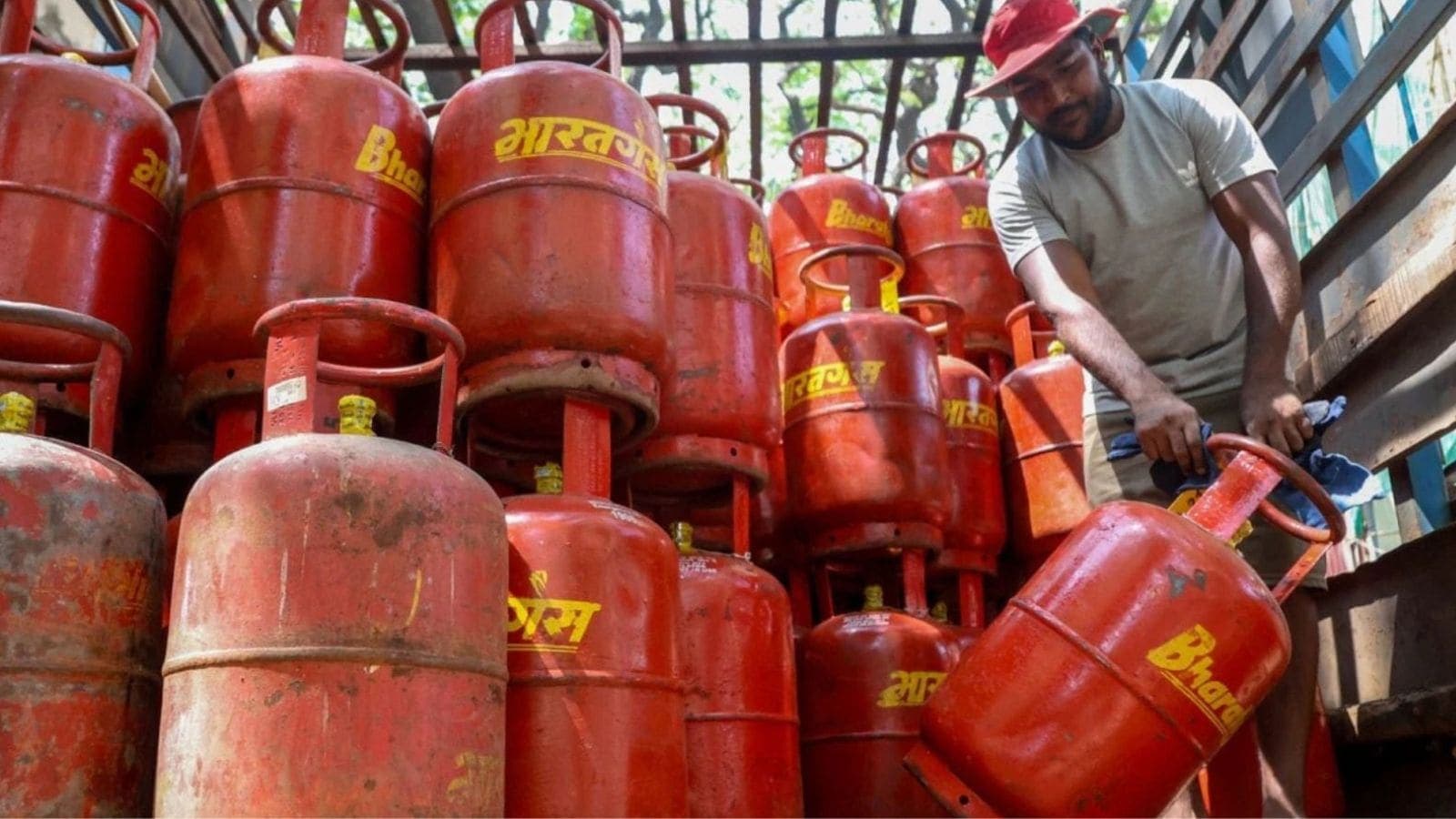
Commercial LPG prices have risen again, with increases of ₹42 in Delhi and ₹53.50 in Kolkata impacting businesses and consumers alike. Find out more.
Indian Express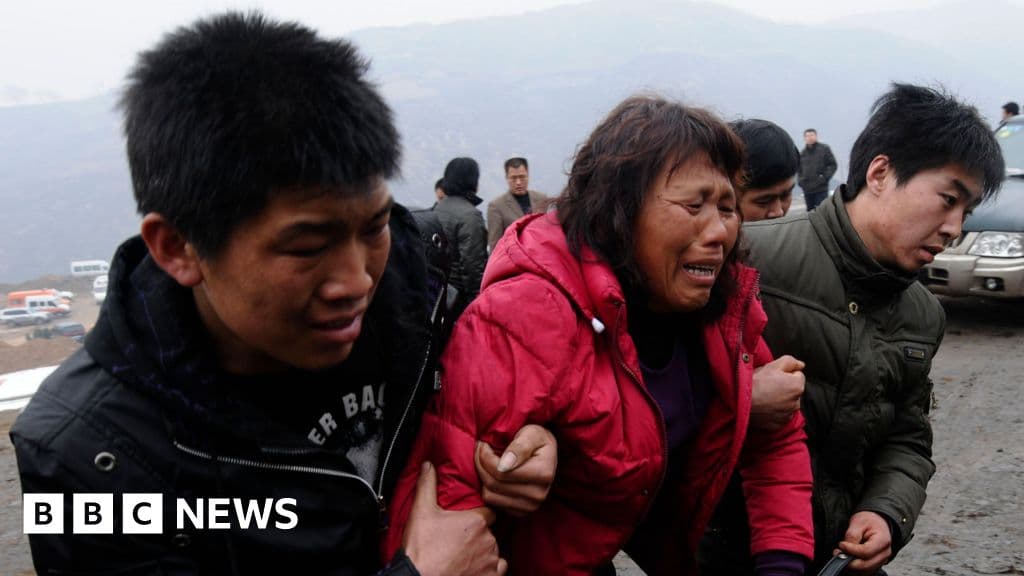
Discover how a tragic coal mine explosion in Shanxi, China, reveals ongoing safety concerns in the industry amidst a push for green energy.
BBC Business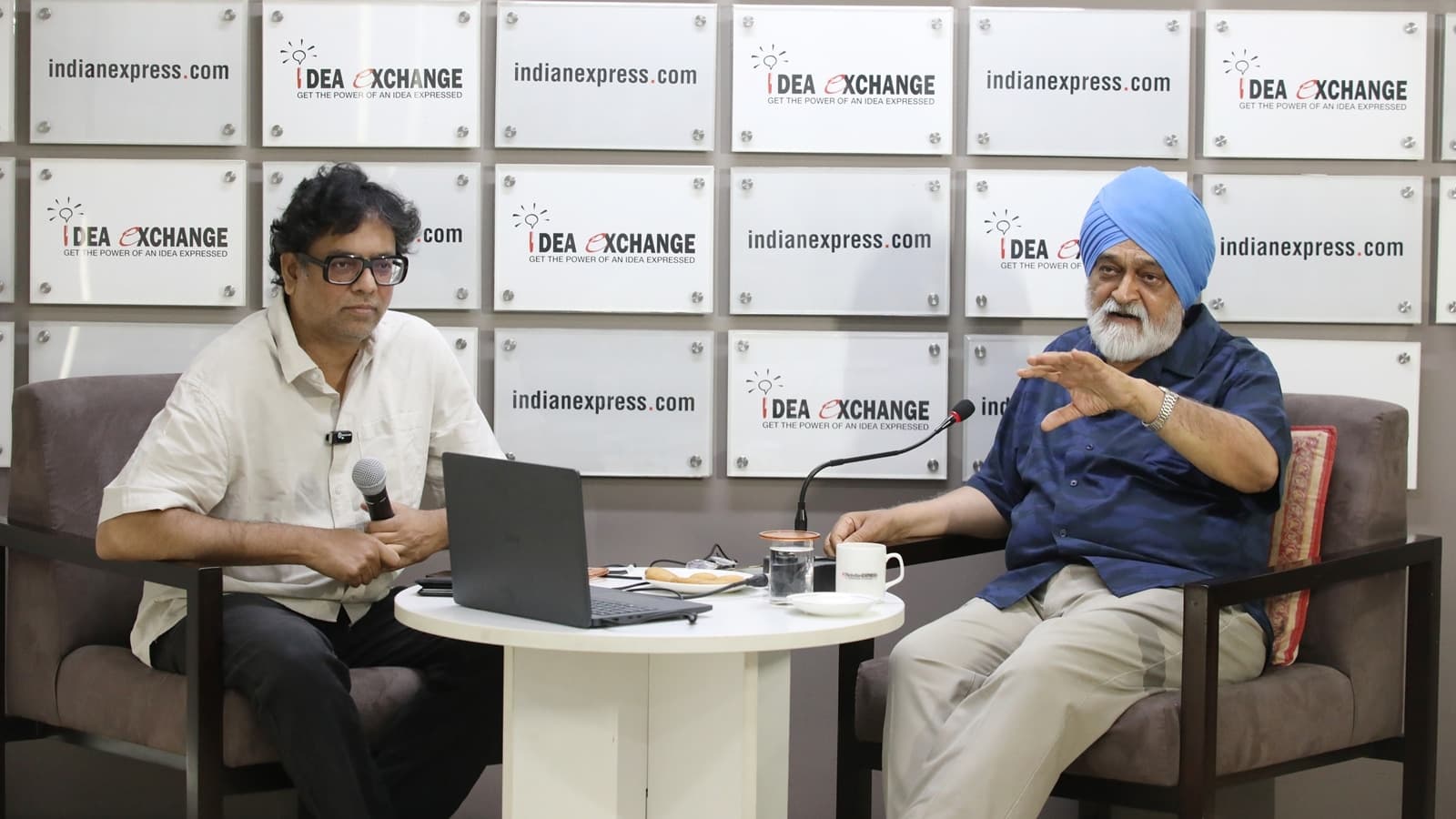
Montek Singh Ahluwalia highlights key economic challenges for India, emphasizing the need for a strategic approach to balance payments and investment.
Indian Express