

Image: BBC Business
Discover how a Supreme Court ruling on tariffs could affect your wallet. Will you see a refund? Find out the implications for consumers and businesses alike.
GlipzoAlex Grossomanides, a 37-year-old personal trainer from Massachusetts, thought he had snagged a fantastic deal on a down jacket imported from France. However, his excitement quickly turned to disbelief when he received a bill for over $400 (£298) in tariffs and processing fees—an amount nearly equal to the jacket's price. The hefty fees stemmed from the fact that the parka was manufactured in Myanmar, which was subjected to a staggering 40% tariff rate. Consequently, Grossomanides was left with a staggering $248.04 in unexpected charges, illustrating the profound impact of international trade policies on everyday consumers.
The recent ruling by the Supreme Court has declared that this tariff, along with many others imposed by former President Donald Trump, is invalid. This landmark decision has initiated what could become the largest refund process in U.S. history, potentially affecting around 330,000 importers who have been burdened by these tariffs. Yet, as excitement builds around the possibility of refunds, many individuals like Grossomanides are left wondering if they will see any of their money returned.
While the Supreme Court's decision opens the door for refunds, it specifically addresses importers who directly paid the tariffs. This raises significant concerns for many consumers and small businesses who experienced indirect tariff impacts, such as increased prices and additional fees. As Grossomanides aptly points out, he paid the tariff through DHL, but has yet to hear from them regarding a potential refund. "They should be refunding people. It's all my money, and I took the hit for it, which I don't think is fair," Grossomanides expressed.
The U.S. Court of International Trade issued an order in March mandating customs officials to refund the more than $160 billion (£121 billion) collected from these tariffs. Customs officials are working diligently on the refund process and are expected to provide an update to the Court on April 14. But many fear that even if refunds are issued, significant challenges remain.
Small business owners are expressing their frustrations as well. Sue Johnson, a lamp-maker from California, has felt the financial strain of tariffs firsthand, as her suppliers have raised the price of mica—an essential material in her Art Deco designs—by nearly 100%. While she acknowledges the potential for refunds, she holds little hope for any assistance that could benefit her directly. "Maybe they'll get repaid, but I have no hope they're going to refund me," Johnson lamented.
The complexities surrounding tariffs have left many businesses grappling with dual challenges. While some have raised prices to mitigate tariff costs, others have found that these increases do not fully cover the additional expenses incurred. The tariffs have also induced other costs, such as increased debt and lost sales opportunities. Kacie Wright, representing a small Texas-based business specializing in musical instruments, shared her challenges during a We Pay the Tariffs forum, highlighting the extensive six-month process required just to set up a claim for a refund.
The burden of navigating the refund process falls heavily on businesses, particularly smaller ones that may lack the resources to handle complex claims. Jared Slipman, a lawyer specializing in tax issues, pointed out that the process has been designed to require companies to gather substantial documentation to substantiate their claims. He noted that some smaller firms may decide against pursuing a refund because the effort required might not justify the potential return. For others, litigation might become the only avenue left to recover what they are owed.
Consumers are often left bearing the brunt of these tariff policies, with many feeling that they have been subjected to an orchestrated financial loss. "It may very well be the case that this is an orchestrated theft from the American consumer... and that would be very unfortunate," Slipman cautioned, underscoring the broader implications of such trade policies.
As the refund process begins to unfold, the outcome remains uncertain. Many consumers and small businesses are left in limbo, awaiting clarity on whether they will be able to reclaim any of the funds they have already lost. The anticipation of a refund, however, may not alleviate the financial burdens that have already been placed on many.
The complexities of tariff implementation and the subsequent challenges they create for businesses highlight a critical conversation about trade policy and its effects on the American economy. Questions arise about how these policies could be adjusted to protect consumers and businesses alike moving forward.
As we await updates on the refund process from customs officials, it is crucial for individuals and businesses affected by the tariffs to stay informed and actively participate in the claims process. The landscape of international trade is shifting, and those impacted must advocate for their rights to fair treatment and financial reimbursement. The coming weeks will be pivotal in determining the extent to which these tariffs will be addressed and how consumers and businesses alike will navigate the fallout.
---
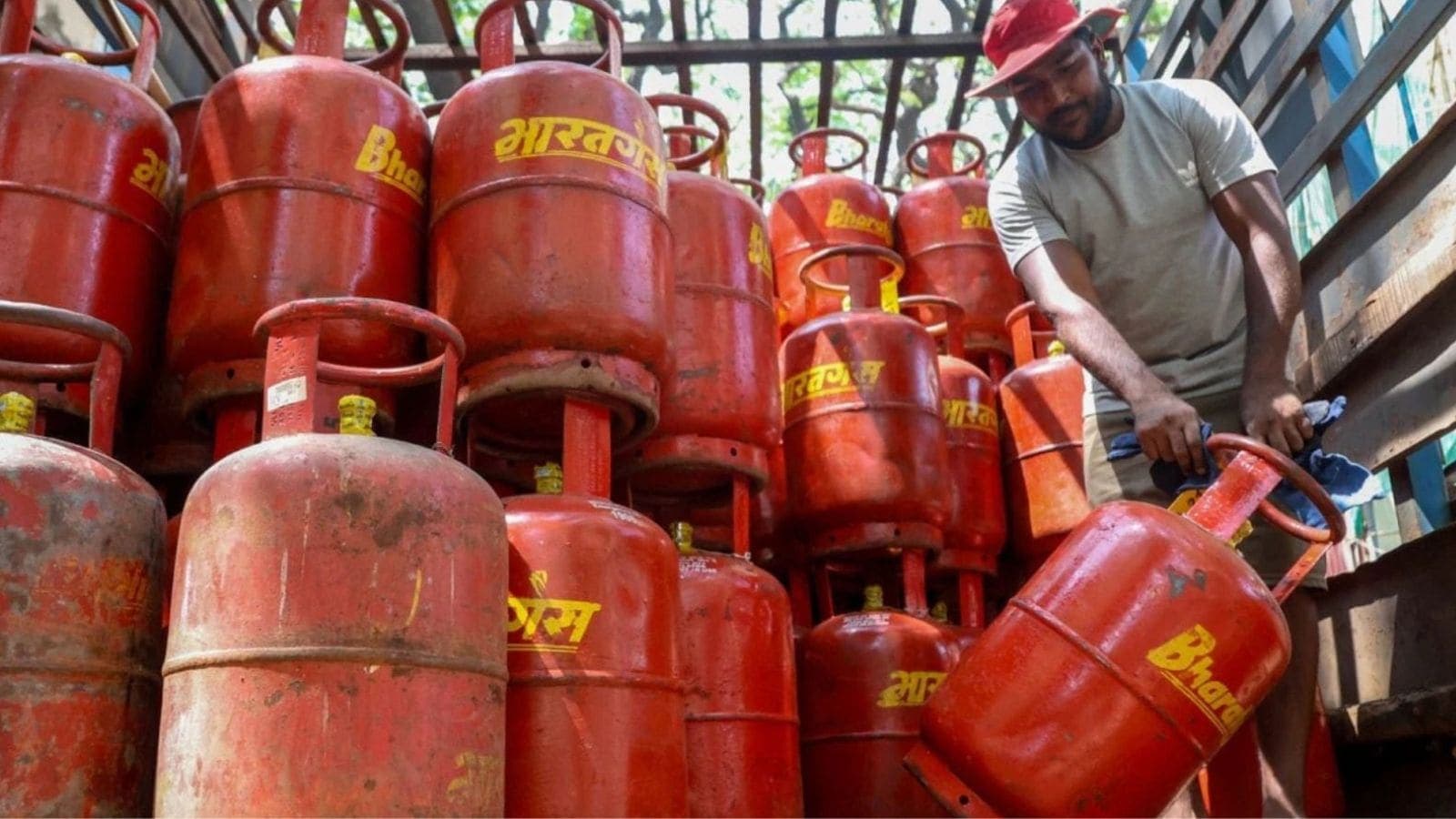
Commercial LPG prices have risen again, with increases of ₹42 in Delhi and ₹53.50 in Kolkata impacting businesses and consumers alike. Find out more.
Indian Express
Discover how a tragic coal mine explosion in Shanxi, China, reveals ongoing safety concerns in the industry amidst a push for green energy.
BBC Business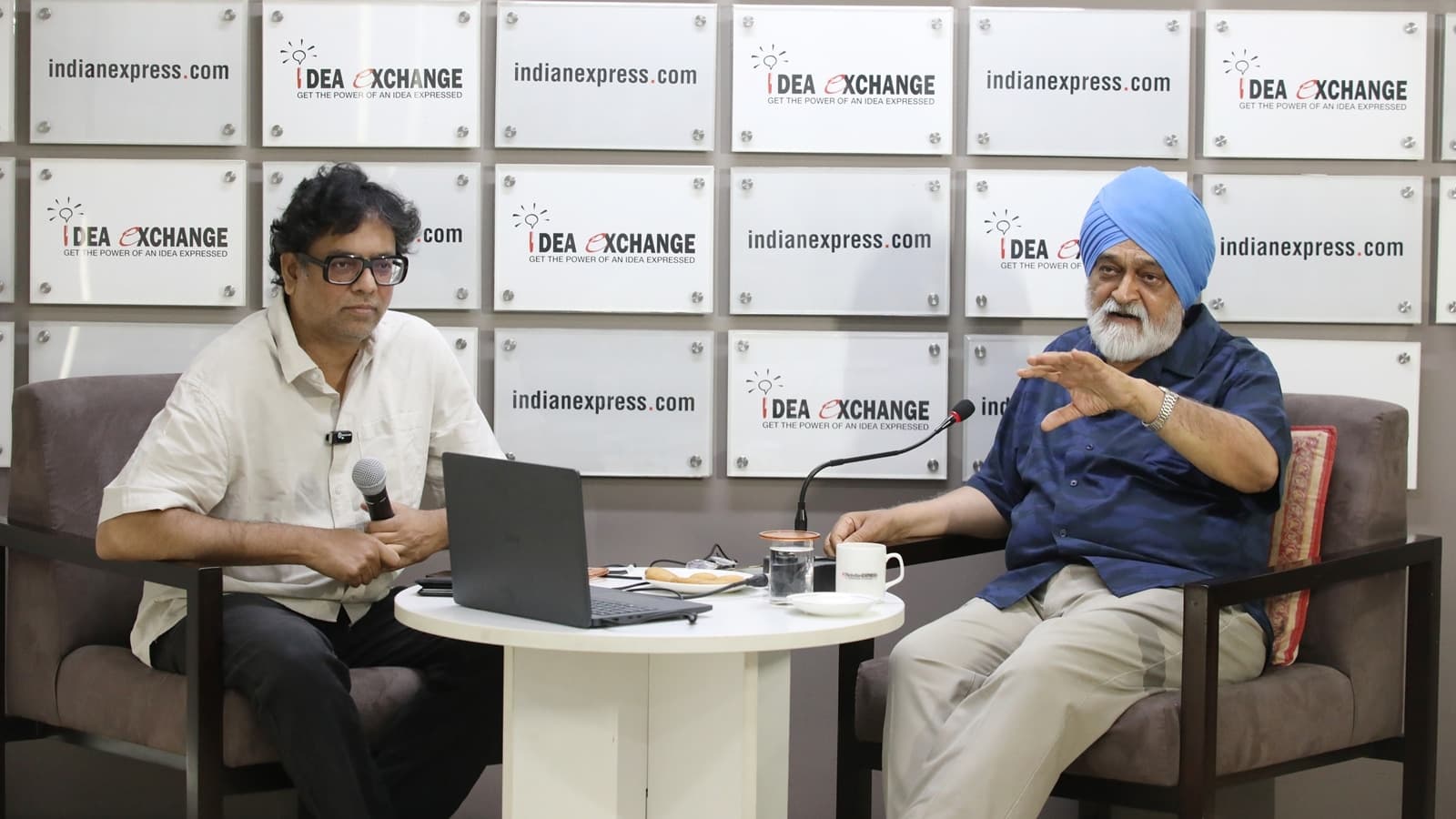
Montek Singh Ahluwalia highlights key economic challenges for India, emphasizing the need for a strategic approach to balance payments and investment.
Indian Express