
Image: BBC Business
Tech giants face crucial discussions at Downing Street on children's online safety. What changes might come from this meeting? Click to learn more!
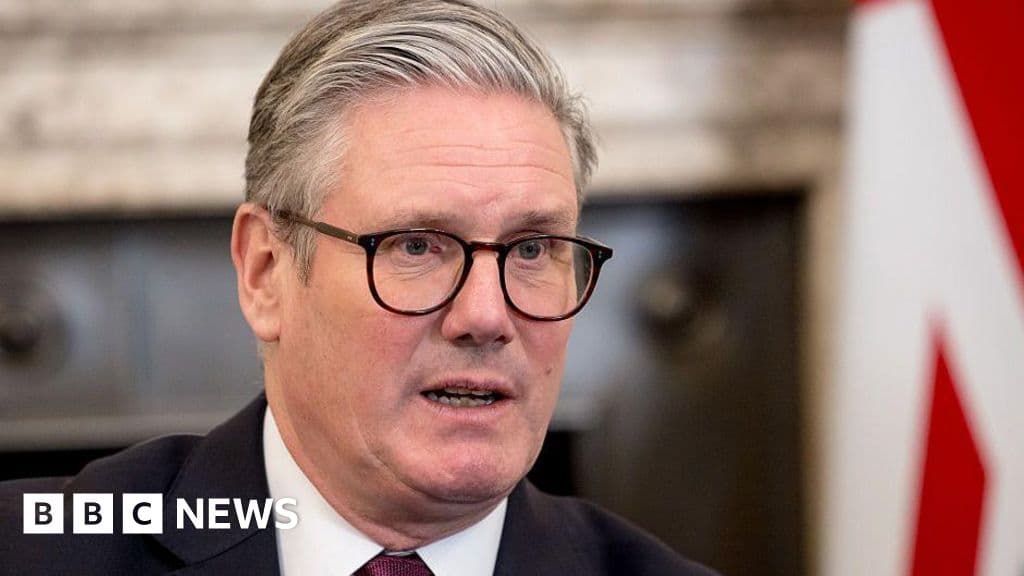
GlipzoSocial media executives from leading platforms are set to convene at Downing Street this Thursday to engage in critical discussions regarding the safety of children on their platforms. The meeting, called by Prime Minister Rishi Sunak, will include top representatives from tech giants such as Meta, Snap, YouTube, TikTok, and X. They will face scrutiny from Sir Keir Starmer, the leader of the Labour Party, along with Technology Secretary Liz Kendall.
This summit comes at a pivotal time, as the UK government is actively seeking ways to enhance the online safety of minors. The discussions will focus on how these companies can better protect children and address the growing concerns of parents. Sir Keir Starmer emphasized the urgency of the meeting, stating, "We owe it to parents, and to the next generation, to put children's safety first - because they won't forgive us if we don't."
This meeting is taking place amid a public consultation initiated by the government, examining the possibility of banning social media usage for those under 16. This follows similar regulatory actions taken in Australia, where a ban was implemented in December 2025. While the UK government has not confirmed which executives will attend, the stakes are high, as this meeting could set the groundwork for future regulations.
Recent trends indicate that some social media platforms have begun implementing safety measures, like disabling autoplay features for younger users and enhancing parental controls over screen time. Yet, the effectiveness of these changes remains in question. Starmer noted, "The consequences of failing to act are stark," underlining the necessity of robust action to safeguard children in the digital realm.
Despite the government's efforts, the House of Commons recently voted against a proposal to ban social media for minors, a decision that has drawn criticism from various quarters. Conservative shadow education secretary Laura Trott accused Labour MPs of neglecting the safety of parents and children, stating, "Other countries are waking up to the harms, but under Keir Starmer, the UK is falling behind."
In contrast, Liberal Democrat education spokesperson Munira Wilson stressed the need for immediate action, asserting that half-measures are no longer sufficient. The urgency of the matter is underlined by disturbing statistics from the Molly Rose Foundation, which revealed that over 60% of underage Australians continue to use social media despite existing bans.
The foundation was established in memory of Molly Russell, who tragically took her life at the age of 14 after being exposed to harmful content on social media platforms, including Instagram. Andy Burrows, the foundation's chief executive, expressed cautious optimism regarding the upcoming meeting but warned against allowing it to result in mere lip service from tech leaders. He urged Sir Keir Starmer to transform his encouraging statements into decisive action by advocating for a new Online Safety Act in the forthcoming King's Speech.
Digital mental health expert Prof. Amy Orben from Cambridge University highlighted the pressing need for accountability for social media companies and their business models. She noted that the powerful algorithms employed by these platforms have raised significant concerns among parents and young users alike, particularly regarding the difficulty in disengaging from addictive online environments.
The ongoing national consultation, which is set to conclude on May 26, is not limited to social media but also aims to evaluate potential age restrictions on other platforms, including gaming sites and AI chatbots. As of now, the government has received over 45,000 responses along with feedback from around 80 organizations, including schools and community groups, indicating widespread interest and concern.
The outcome of this consultation and the discussions at Downing Street could have far-reaching implications for the future of children's online safety in the UK. As the government grapples with how to protect minors in an increasingly digital world, the focus will be on whether meaningful legislative actions will emerge from these high-profile meetings.
As the conversation around online safety continues to evolve, all eyes will be on the results of the upcoming discussions. Will the government take decisive action to enforce stricter regulations on social media platforms? How will tech companies respond to the growing demands for accountability? The answers to these questions will significantly shape the landscape of online safety for children in the UK.
The call for comprehensive measures is louder than ever, with experts and advocates urging the government to prioritize the well-being of the next generation. The forthcoming weeks will be crucial in determining the trajectory of online safety regulations, and stakeholders from all sides will be watching closely as the situation unfolds.

Tensions soar as the US and Iran engage in air strikes near the Strait of Hormuz, raising concerns over global oil supply and regional stability.
BBC World
Trump's international interventions face serious stalemates. What will this mean for U.S. foreign policy? Explore the critical challenges ahead.
Indian Express
Tehran denies resignation of President Masoud Pezeshkian amid claims of IRGC influence. What does this mean for Iran's political stability? Click to learn more!
Indian Express