

Image: The Hindu
A staggering 24.7 lakh candidates participated in the 2026 FLNAT across Andhra Pradesh, showcasing a remarkable commitment to foundational literacy and numeracy.
GlipzoOn March 15, 2026, the Akshara Andhra Foundational Literacy and Numeracy Assessment Test (FLNAT) took place across Andhra Pradesh, showcasing an impressive turnout and robust administrative support. The event was marked by the participation of 24,72,092 candidates, translating to an extraordinary 98.62% attendance rate from the initial target of 25,06,696 learners. This response highlights the significant commitment to enhancing foundational literacy and numeracy in the region.
The Adult Education Department, led by Director Ranjit Basha, organized the exam across 34,406 centers, ensuring that every detail was meticulously planned. A dedicated team of 44,921 invigilators played a crucial role in maintaining transparency and efficiency throughout the assessment. This extensive logistical framework included real-time monitoring via the Akshara Andhra app, which was instrumental in the successful execution of the test.
The examination's success was further underscored by certain districts achieving remarkable attendance levels. For instance, Guntur, Alluri Sitharama Raju, and Anakapalli districts reported a 100% participation rate. Additionally, many other districts boasted attendance figures exceeding 99%, which can be attributed to effective outreach strategies and community mobilization efforts under the Akshara Andhra programme.
Director Basha praised the collaborative efforts that made this event possible, particularly the leadership of HRD Minister Nara Lokesh and the guidance of School Education Secretary Kona Sashidhar. Their continuous support provided a solid foundation for the successful organization of the FLNAT.
The successful execution of the FLNAT was no small feat; it involved a comprehensive administrative arrangement that included: - Advance planning and strategic deployment of resources. - Monitoring by district and mandal-level officials to ensure smooth operations. - Logistics management that catered to the needs of the venues and participants. - Real-time reporting that allowed for immediate updates and feedback through the Akshara Andhra app.
Mr. Basha, alongside district Collectors, Education Department officials, volunteers, and field staff, coordinated efforts to create a seamless examination environment. This level of cooperation and planning illustrates the commitment to enhancing educational standards in Andhra Pradesh.
The FLNAT is more than just an examination; it serves as a critical tool in assessing and improving foundational literacy and numeracy among learners in Andhra Pradesh. This initiative aligns with broader national goals to elevate educational standards and ensure that every child has access to quality basic education. The high attendance rates reflect a community that values education and is willing to engage actively in initiatives aimed at improving literacy rates.
Moreover, the successful execution of the FLNAT provides valuable data that can inform future educational policies and strategies. By identifying areas of strength and those needing improvement, the state can implement targeted interventions to bolster literacy and numeracy skills among learners.
As the state moves forward, the results from the FLNAT will likely shape future educational frameworks and initiatives. Stakeholders in the education sector will be keenly analyzing the data gathered from this assessment to identify trends and areas that require focused attention.
Additionally, the success of this year's FLNAT could lead to the introduction of further assessments aimed at measuring educational outcomes in other critical areas. With ongoing support from state leaders and community involvement, Andhra Pradesh can continue to make significant strides in enhancing its educational landscape.
In conclusion, the 2026 FLNAT marks a pivotal moment for foundational education in Andhra Pradesh, setting a precedent for future assessments and educational reforms aimed at fostering a literate and numerate society.
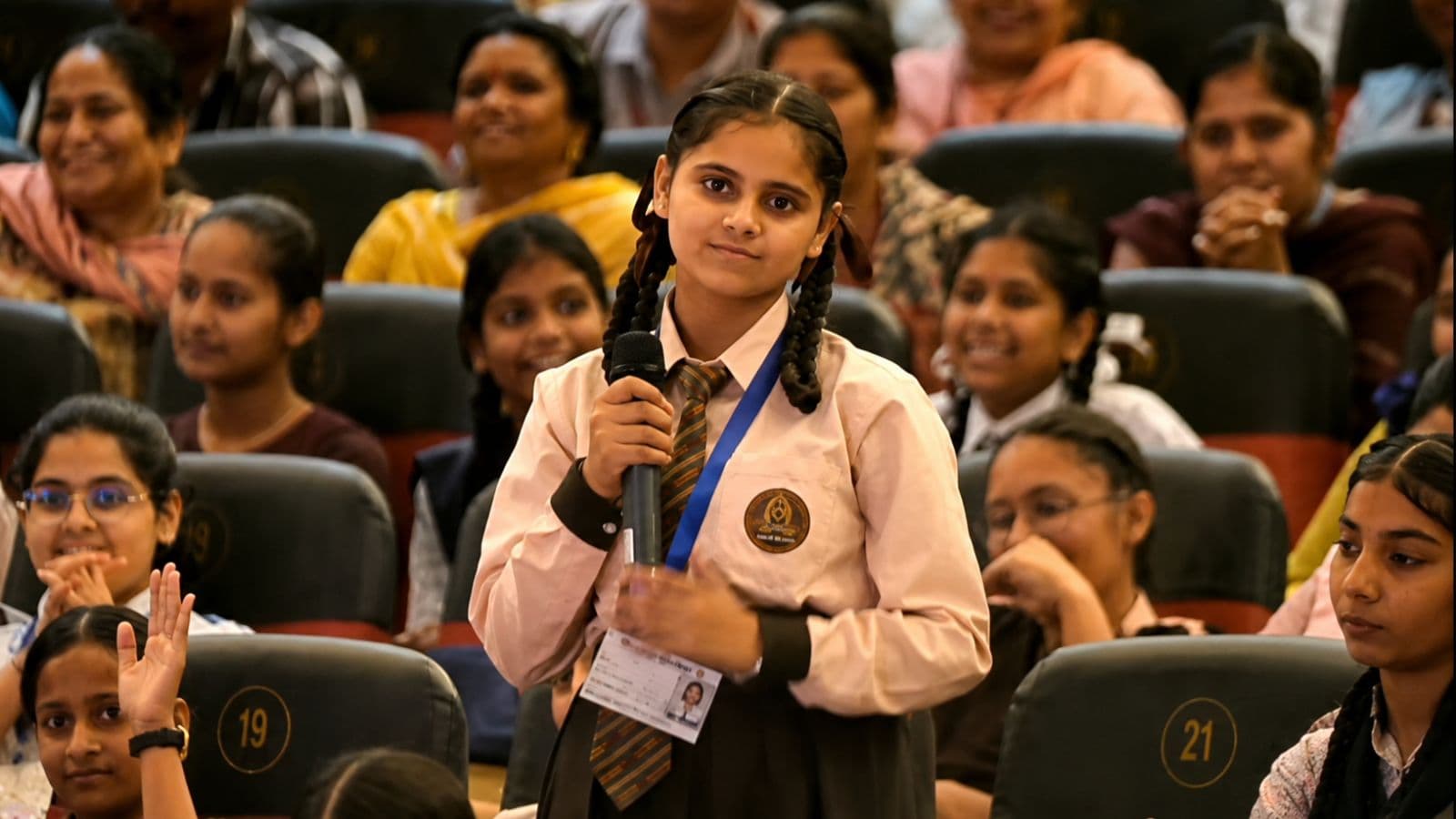
Amritsar student questions age-based ranking, prompting Punjab CM to reform PSEB policies. A significant change towards merit-based recognition is underway.
Indian Express
AP EAMCET 2026 results are out! Discover how to check your scorecard and navigate the upcoming counselling process for college admissions.
Indian Express
CBSE's new OSM system faces backlash as students struggle with re-evaluation. Will their futures be jeopardized by technical flaws?
Indian Express