

Image: Science Daily
A major study reveals genetic links between cancers in cats and humans, offering insights for new treatment strategies in both species. Discover the findings.
GlipzoA newly published study has shed light on a significant connection between cancer in cats and humans, marking a pivotal moment in veterinary and medical research. Conducted by a diverse team of scientists from institutions such as the Wellcome Sanger Institute and the Ontario Veterinary College, this extensive analysis examined tumors from nearly 500 pet cats across five different countries. The findings highlight critical genetic changes that not only inform treatment strategies for feline cancers but also have potential implications for human oncology.
The researchers undertook this ambitious project to explore the genetic basis of cancers in cats, revealing striking similarities to human cancers. By leveraging DNA sequencing techniques, the study, featured in the journal Science, identified key genetic alterations driving various types of cancer in felines. Notably, the study found that feline mammary cancer closely resembles human breast cancer, emphasizing the shared vulnerabilities between species.
The intimate living arrangements of pet cats with their owners foster shared environmental risk factors, which may contribute to their cancer susceptibility. The study utilized tissue samples that were originally collected for veterinary diagnostics, showcasing the potential overlap in cancer risk factors between cats and their human companions. This research underscores the importance of understanding these environmental influences as they relate to genetic predispositions.
Some critical insights from the study include: - Genetic Patterns: The analysis revealed that several genetic pathways in feline cancers mirror those found in human cancers, suggesting new avenues for treatment. - First Comprehensive Analysis: As the first large-scale examination of cat tumors, this research provides a foundational resource for advancing the field of feline cancer genomics. - Genetic Similarities: A striking number of genetic drivers associated with cancer in cats were found to parallel those in human cancers, indicating shared biological mechanisms.
With over 10 million cats inhabiting the UK alone, and a significant portion of households owning at least one cat, the health implications of this study are vast. Cancer remains one of the leading causes of illness and mortality in felines, yet the genetic underpinnings of these diseases have not been thoroughly understood until now.
The research team meticulously screened around 1,000 genes linked to human cancers, comparing tumor samples with healthy tissues across 13 different types of feline cancer. This comprehensive approach allowed researchers to draw direct comparisons not only with human cancers but also with those affecting dogs. The results indicate a promising avenue for further exploration.
Among the cancers studied, mammary carcinoma stood out as a particularly aggressive form of cancer prevalent in cats. Researchers successfully identified seven key driver genes implicated in tumor development. The gene FBXW7 was notably altered in over 50% of the tumors analyzed. In humans, mutations in this gene are associated with worse outcomes in breast cancer cases, suggesting a similar pattern in cats.
Additionally, the study revealed that certain chemotherapy treatments could be more effective for tumors exhibiting FBXW7 mutations. While these findings stem from laboratory-grown tissue, they could lead to strategic treatments applicable to both feline and human breast cancer.
The presence of the PIK3CA mutation was also notable, found in 47% of feline mammary tumors. This specific mutation is already known in human breast cancer and is treated with targeted therapies known as PI3K inhibitors.
Beyond mammary cancer, the researchers discovered shared genetic mutations across various cancers affecting the blood, bone, lungs, skin, gastrointestinal system, and central nervous system. These findings illuminate the potential for cross-species cancer studies, offering a unique opportunity to develop therapies that could benefit both cats and humans.
One significant concept arising from this research is the 'One Medicine' approach, which advocates for collaboration between human and veterinary medicine. By leveraging discoveries in one field to inform the other, this strategy may accelerate the development of effective treatments.
Bailey Francis, co-first author at the Wellcome Sanger Institute, emphasized the value of comparing cancer genomics across different species. "By comparing cancer genomics across different species, we gain a greater understanding of what causes cancer," said Francis, highlighting the importance of this research for both veterinary and human health.
As scientists continue to explore the genetic landscape of cancer in both cats and humans, several exciting opportunities lie ahead: - Clinical Trials: Discoveries from this research could lead to new clinical trials that test existing human cancer therapies in feline patients. - Expanded Research: The open resource created by this study will serve as a platform for future investigations into feline cancer, potentially leading to breakthroughs in treatment. - Enhanced Understanding: As our understanding of cancer genomics deepens, the insights gained may lead to innovative therapies that address the fundamental biological mechanisms shared between species.
In conclusion, this groundbreaking research not only enhances our understanding of cancer in cats but also opens new avenues for improving treatments for both animals and humans. The collaboration between veterinary and human medicine exemplifies a forward-thinking approach to tackling one of the most pressing health challenges of our time.

Shocking findings from Nottingham's maternity unit reveal a toxic culture and alarming neglect. What can be done to improve care? Discover the details.
BBC Health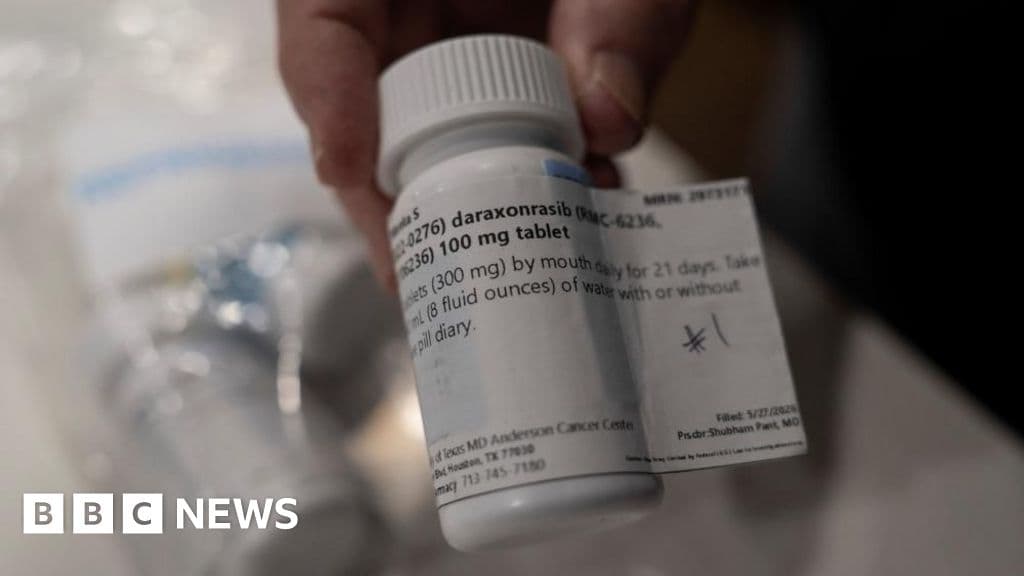
Discover how daraxonrasib, a new pill, is nearly doubling survival rates for pancreatic cancer patients, offering hope in a challenging battle against this deadly disease.
BBC Health
Waste companies propose a £5 deposit on vapes to encourage proper disposal and curb littering as the environmental impact of vapes increases.
BBC Business