
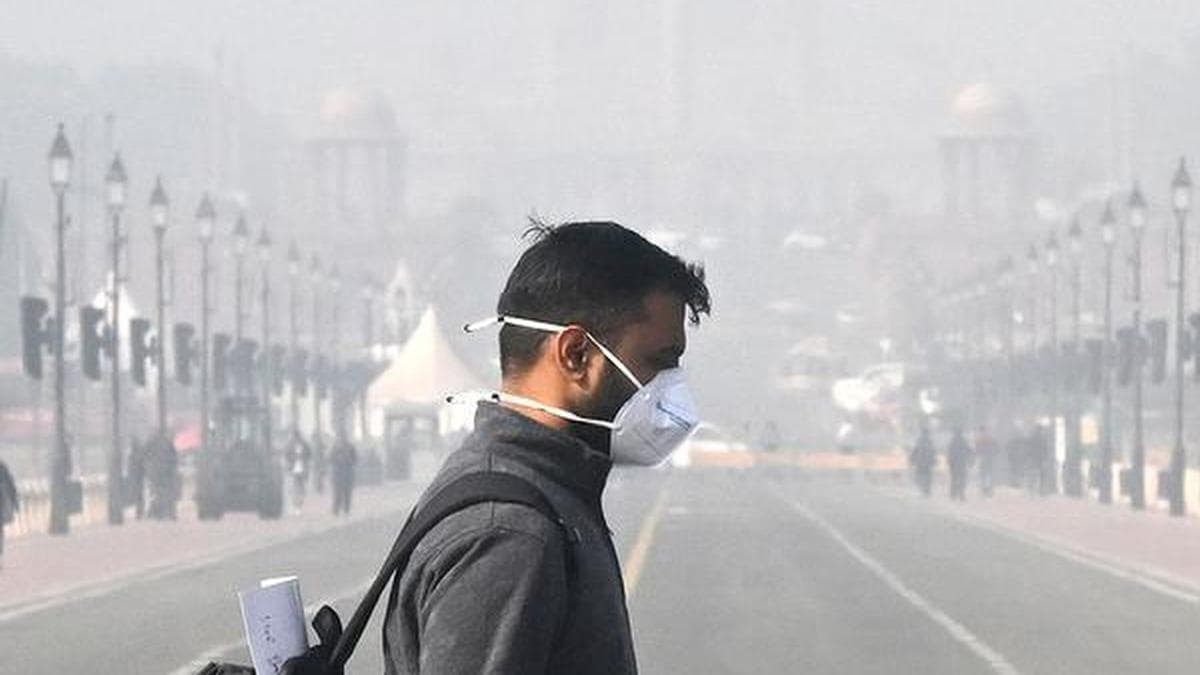
Image: The Hindu
A study reveals climate action could prevent 13.5 million pollution-related deaths by 2050, particularly benefiting low and middle-income countries.
GlipzoConducted by researchers from The University of Texas at Austin and other institutions, the study emphasizes that the health benefits derived from mitigating climate change will depend heavily on how the burden of emissions reduction is shared globally. By limiting global warming to 2 degrees Celsius, the research indicates that substantial improvements in air quality could emerge, particularly for nations that currently face the highest levels of air pollution.
However, the study also highlights a critical dilemma: if wealthier nations take on a larger share of the emissions reduction burden under an ‘equity-based approach,’ it could lead to a situation where LMICs experience fewer air quality benefits.
Co-lead author Mark Budolfson, an associate professor at The University of Texas, explained the complex relationship between climate justice and health outcomes. “Shifting mitigation from poor countries to rich countries has the perverse effect of reducing the number of lives saved via air quality improvements in poor countries—possibly by millions,” he stated.
This third scenario emerges as the most promising option, as it ensures that developing countries can achieve substantial air quality improvements while also promoting fairness in climate action. By investing the savings from reduced climate mitigation costs into conventional air pollution controls—such as technologies targeting soot and sulphur dioxide—LMICs could achieve transformative reductions in air pollution.
With climate change increasingly impacting health outcomes and air quality, the study presents a critical opportunity for policymakers. If they can navigate the delicate balance between equity and effective climate action, they stand to save millions of lives and improve public health in some of the most affected areas globally.
Looking ahead, it will be crucial to monitor how international agreements evolve to incorporate these findings. Potential actions could include: - Strengthening commitments from wealthy nations to assist in emissions reductions in LMICs. - Investing in green technologies and infrastructure that can simultaneously address climate change and air quality. - Implementing policies that support cleaner energy sources in developing regions.
As the world aims to avert the dire consequences of climate change, it is evident that coordinated global efforts can not only mitigate its effects but also provide substantial health benefits, particularly for those in vulnerable populations. The fight against air pollution is inextricably linked to climate action; thus, the paths we choose today will shape the health outcomes of millions tomorrow.
Shocking findings from Nottingham's maternity unit reveal a toxic culture and alarming neglect. What can be done to improve care? Discover the details.
BBC Health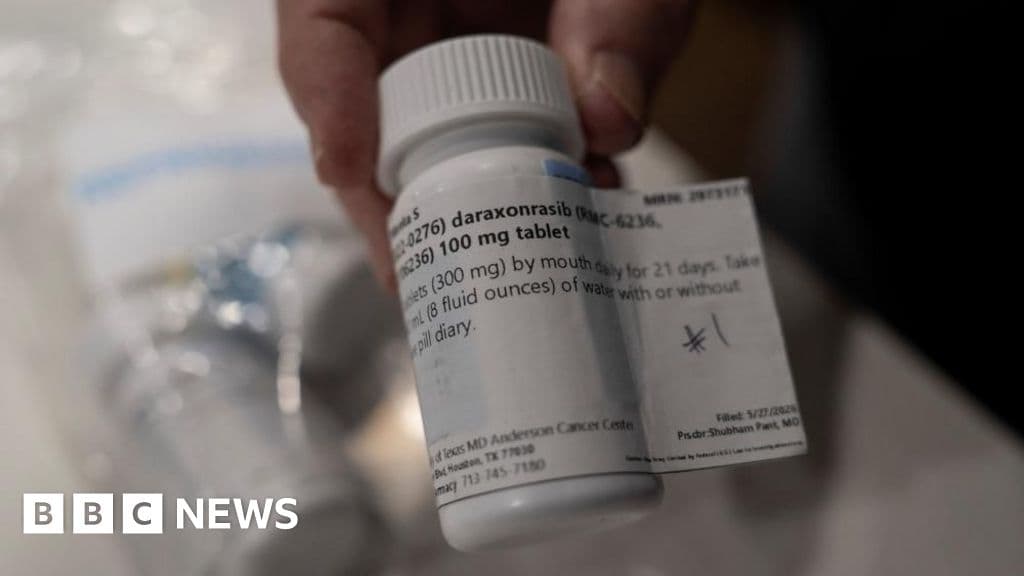
Discover how daraxonrasib, a new pill, is nearly doubling survival rates for pancreatic cancer patients, offering hope in a challenging battle against this deadly disease.
BBC Health
Waste companies propose a £5 deposit on vapes to encourage proper disposal and curb littering as the environmental impact of vapes increases.
BBC Business