Glipzo
WorldTechnologyBusinessSportsEntertainmentScienceHealthPolitics
Glipzo
WorldTechnologyBusinessSportsEntertainmentScienceHealthPolitics
  1. Home
  2. /
  3. Health
  4. /
  5. Major Study Reveals Cannabis Ineffective for Mental Health Issues
Major Study Reveals Cannabis Ineffective for Mental Health Issues

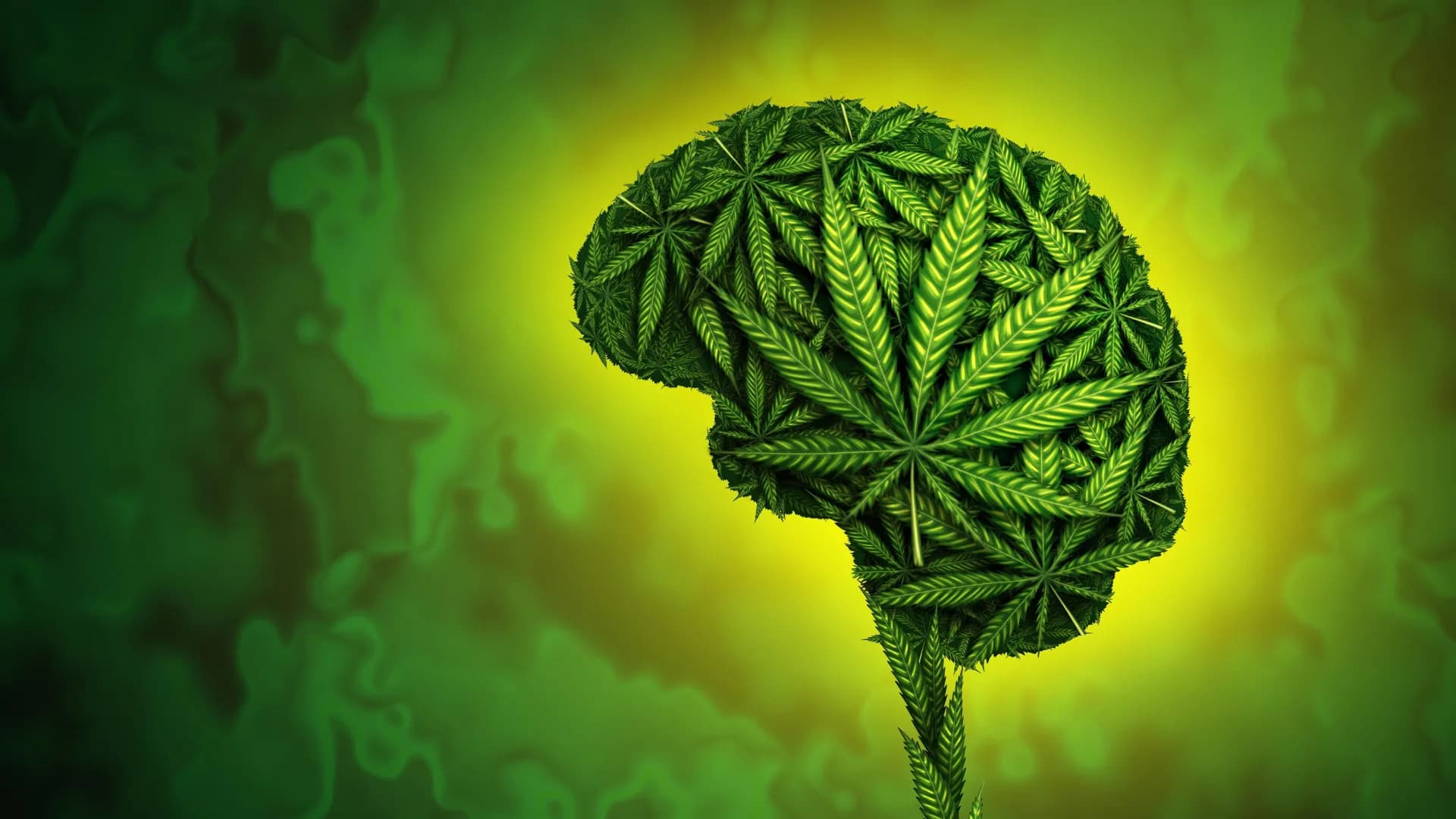
Image: Science Daily

Health
Friday, March 20, 20265 min read

Major Study Reveals Cannabis Ineffective for Mental Health Issues

A major study reveals that medicinal cannabis is ineffective for treating anxiety, depression, and PTSD, raising significant concerns for its medical use.

Glipzo News Desk|Source: Science Daily
Share
Glipzo

Key Highlights

  • Major study finds cannabis ineffective for anxiety, depression, PTSD.
  • 27% of Americans use cannabis for medical reasons, often for mental health.
  • Cannabis may worsen mental health outcomes, warns lead researcher.
  • Evidence for cannabis benefits in other conditions remains weak.
  • Calls for stricter regulations on medicinal cannabis prescriptions.

In this article

  • Major Findings on Cannabis and Mental Health A **significant study** published in **The Lancet** has generated considerable discourse regarding the use of medicinal cannabis for mental health disorders. The analysis, which is the largest of its kind, concludes that cannabis does not effectively alleviate symptoms of **anxiety**, **depression**, or **post-traumatic stress disorder (PTSD)**. This research emerges at a time when the acceptance and use of cannabis for medical purposes are prevalent, particularly in the United States and Canada.
  • Concerns Raised by the Research Leading the study, **Dr. Jack Wilson** from the University of Sydney's **Matilda Centre**, noted that the findings prompt serious concerns regarding the endorsement of medicinal cannabis for treating conditions like anxiety, depression, and PTSD. He stated, "Though our paper didn't specifically look at this, the routine use of medicinal cannabis could be doing more harm than good by worsening mental health outcomes."
  • Limited Evidence for Other Conditions While the study found limited support for cannabis in treating mental health disorders, it did identify possible benefits for other conditions. Some patients with **cannabis use disorder**, **autism**, **insomnia**, and **Tourette's syndrome** may experience some alleviation of symptoms. However, Dr. Wilson cautioned that the evidence backing these claims is not robust.
  • Mixed Outcomes for Substance Use Disorders The comprehensive review also examined the effects of medicinal cannabis on various **substance use disorders**. The results were inconsistent, highlighting the complexity of cannabis's role in addiction treatment.
  • Urgent Calls for Regulation The surge in medicinal cannabis prescriptions has prompted concerns from major medical organizations, including the **American Medical Association**. Experts argue that the lack of regulation and the uncertainty surrounding the safety and effectiveness of these products warrant a stronger oversight.
  • A 45-Year Global Analysis The conclusions drawn from this research stem from a **systematic review and meta-analysis** of **54 randomized controlled trials (RCTs)** conducted over the past **45 years** worldwide. This extensive examination gives weight to the findings, suggesting that the medical community must proceed with caution when considering cannabis for mental health treatment.
  • What’s Next for Cannabis Research? As the discussion surrounding medicinal cannabis continues, this study serves as a pivotal reference point for both clinicians and patients. Moving forward, several key considerations arise: - **Increased Research**: There is a need for more rigorous studies to explore the nuances of cannabis effects, particularly in mental health. - **Policy Changes**: Regulatory bodies may need to reassess cannabis prescriptions and establish guidelines based on emerging evidence. - **Patient Education**: Health professionals should prioritize informing patients about the potential risks and limitations of cannabis for mental health management.

Major Findings on Cannabis and Mental Health A **significant study** published in **The Lancet** has generated considerable discourse regarding the use of medicinal cannabis for mental health disorders. The analysis, which is the largest of its kind, concludes that cannabis does not effectively alleviate symptoms of **anxiety**, **depression**, or **post-traumatic stress disorder (PTSD)**. This research emerges at a time when the acceptance and use of cannabis for medical purposes are prevalent, particularly in the United States and Canada.

Approximately 27% of individuals aged 16-65 in these regions report utilizing cannabis for medicinal reasons, with nearly half citing mental health management as their primary motivation. The implications of this study challenge longstanding assumptions about cannabis as a therapeutic option for mental health conditions, prompting a reevaluation of its approval and prescription.

Concerns Raised by the Research Leading the study, **Dr. Jack Wilson** from the University of Sydney's **Matilda Centre**, noted that the findings prompt serious concerns regarding the endorsement of medicinal cannabis for treating conditions like anxiety, depression, and PTSD. He stated, "Though our paper didn't specifically look at this, the routine use of medicinal cannabis could be doing more harm than good by worsening mental health outcomes."

Dr. Wilson highlighted potential risks associated with cannabis use, including an increased likelihood of psychotic symptoms, developing cannabis use disorder, and delaying access to more effective treatments for mental health conditions. These revelations raise critical questions about the safety and efficacy of cannabis, which has recently seen a surge in popularity as a treatment option.

Limited Evidence for Other Conditions While the study found limited support for cannabis in treating mental health disorders, it did identify possible benefits for other conditions. Some patients with **cannabis use disorder**, **autism**, **insomnia**, and **Tourette's syndrome** may experience some alleviation of symptoms. However, Dr. Wilson cautioned that the evidence backing these claims is not robust.

  • **Key Findings on Other Conditions:**

Dr. Wilson emphasized the importance of caution when considering medicinal cannabis for autism due to the unique experiences of individuals on the spectrum. He stated, "While some evidence exists, it is worth noting that there is no one universal experience of autism, so this finding should be treated with caution."

Mixed Outcomes for Substance Use Disorders The comprehensive review also examined the effects of medicinal cannabis on various **substance use disorders**. The results were inconsistent, highlighting the complexity of cannabis's role in addiction treatment.

  • **Findings Include:**

Dr. Wilson likened the potential use of cannabis in treating cannabis dependence to the method of using methadone for opioid-use disorder. He noted that when combined with psychological therapy, certain cannabis medications could help reduce smoking behaviors. Conversely, he cautioned against using cannabis as a treatment for cocaine dependence due to the increased cravings it may elicit.

Urgent Calls for Regulation The surge in medicinal cannabis prescriptions has prompted concerns from major medical organizations, including the **American Medical Association**. Experts argue that the lack of regulation and the uncertainty surrounding the safety and effectiveness of these products warrant a stronger oversight.

Dr. Wilson stated, "Our study provides a comprehensive and independent assessment of the benefits and risks of cannabis medicines, which may support clinicians in making evidence-based decisions. This is crucial for ensuring patients receive effective treatments while minimizing harm from ineffective or unsafe cannabis products."

A 45-Year Global Analysis The conclusions drawn from this research stem from a **systematic review and meta-analysis** of **54 randomized controlled trials (RCTs)** conducted over the past **45 years** worldwide. This extensive examination gives weight to the findings, suggesting that the medical community must proceed with caution when considering cannabis for mental health treatment.

What’s Next for Cannabis Research? As the discussion surrounding medicinal cannabis continues, this study serves as a pivotal reference point for both clinicians and patients. Moving forward, several key considerations arise: - **Increased Research**: There is a need for more rigorous studies to explore the nuances of cannabis effects, particularly in mental health. - **Policy Changes**: Regulatory bodies may need to reassess cannabis prescriptions and establish guidelines based on emerging evidence. - **Patient Education**: Health professionals should prioritize informing patients about the potential risks and limitations of cannabis for mental health management.

As the landscape of medicinal cannabis evolves, keeping an eye on future research and regulatory developments will be essential for understanding its role in mental health treatment. The dialogue initiated by this study has the potential to shape policies and practices surrounding cannabis use in the medical field for years to come.

Did you find this article useful? Share it!

Share

Related Articles

Shocking Child HIV Outbreak Linked to Unsafe Hospital Practices
Health
Apr 14, 2026

Shocking Child HIV Outbreak Linked to Unsafe Hospital Practices

A shocking HIV outbreak in Taunsa, Pakistan, linked to unsafe syringe practices at a local hospital, raises urgent questions about healthcare safety.

BBC World
Doubts About Contraception: A Sex Educator's Struggle
Health
Apr 14, 2026

Doubts About Contraception: A Sex Educator's Struggle

A sex educator shares her doubts about hormonal contraception influenced by social media. Explore the impact of misinformation and personal experiences.

BBC Health
New School Dinner Rules: Deep-fried Foods Banned in England
Health
Apr 14, 2026

New School Dinner Rules: Deep-fried Foods Banned in England

Discover England's groundbreaking plan to ban deep-fried foods in schools, ensuring healthier meals for children starting September 2027.

BBC Health

Categories

  • World
  • Technology
  • Business
  • Sports

More

  • Entertainment
  • Science
  • Health
  • Politics

Explore

  • Web Stories
  • About Us
  • Contact

Legal

  • Privacy Policy
  • Terms of Service

© 2026 Glipzo. All rights reserved.