
Image: Mint (Business)
A historic strike at a Colorado meatpacking plant sees 3,800 workers walk out, demanding better wages and working conditions. What’s at stake?
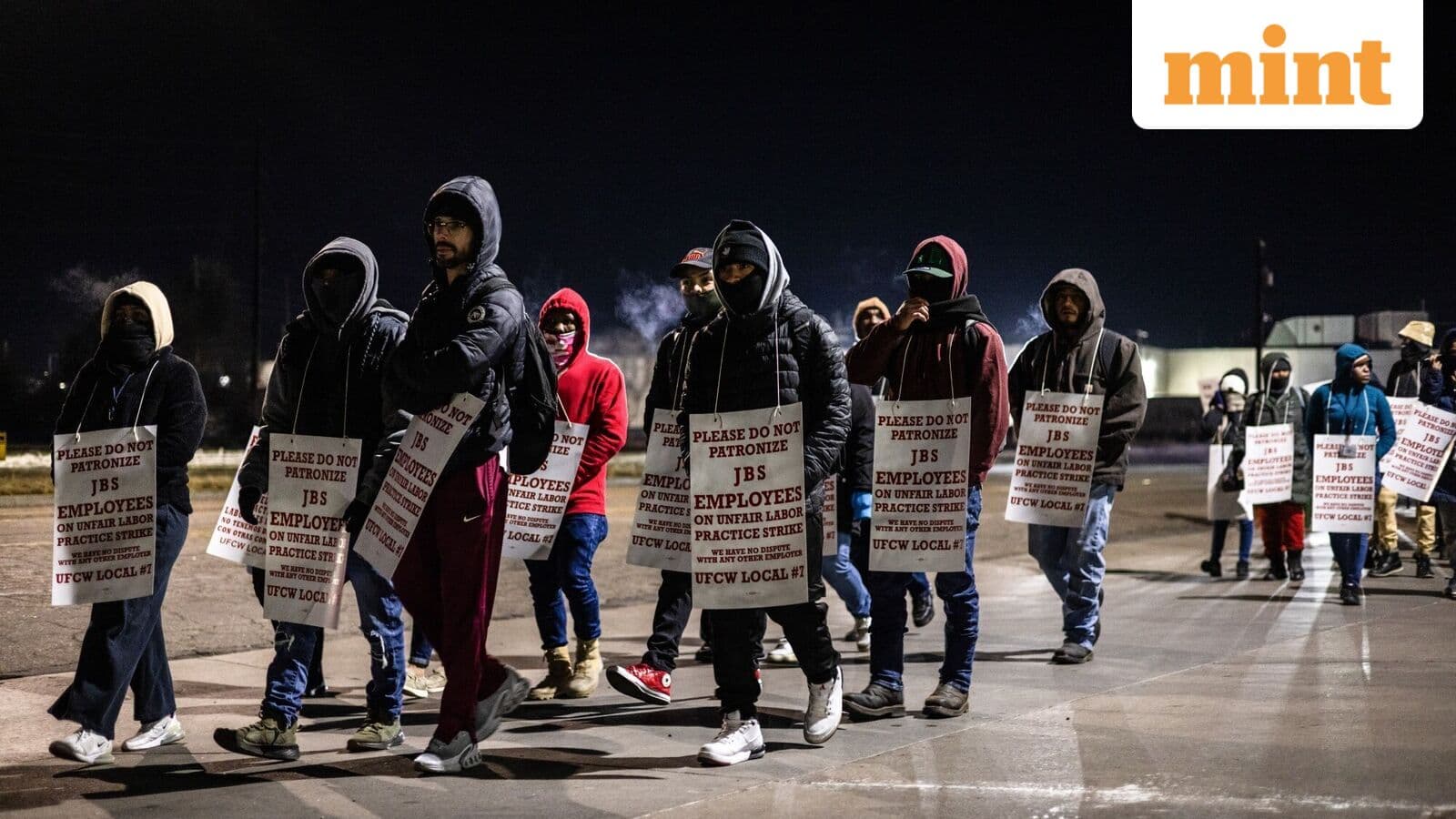
GlipzoIn a historic move, around 3,800 workers at one of the largest meatpacking facilities in Colorado initiated a strike on March 16, 2023. This significant labor action marks the first walkout at a U.S. beef slaughterhouse since the 1980s, according to union representatives. The strike has led to the temporary shutdown of the facility, stirring conversations about labor rights and fair wages in America's meatpacking industry.
The workers, represented by the United Food and Commercial Workers Local 7, are demanding better wages, improvements in healthcare access, and better working conditions. Claire Poundstone, an attorney for the union, emphasized the challenging and risky nature of the jobs these workers perform daily. “Our workers perform some of the most difficult and dangerous jobs in the country. They deserve wage increases that keep pace with inflation, ensure they receive healthcare commensurate with the toll this work takes on their bodies, and that allow them to live with dignity and respect,” she stated.
The significance of this strike cannot be understated, as it represents a pivotal moment in labor relations within the meatpacking industry. According to Cordova, a union spokesperson, this is the first strike at a U.S. slaughterhouse since a notable strike at a Hormel plant in Minnesota back in 1985. That strike lasted over a year and was marked by violent confrontations between police and protesters, highlighting the intense struggles faced by workers in this sector.
The current strike at the Colorado plant is not only a reflection of the dire working conditions but also comes at a time when the U.S. faces a 75-year low in cattle population. As of January 1, 2023, the cattle inventory stood at 86.2 million animals, marking a 1% decrease from the previous year. This drop in cattle numbers adds urgency to the ongoing labor dispute, especially as the industry grapples with fluctuating supply and demand.
In response to the strike, JBS USA, the parent company of the facility, has stated that employees who choose not to participate in the strike will still have work and will be compensated. The company plans to operate two shifts on the day of the strike and has indicated that it may move production to other facilities as needed to minimize disruption.
JBS USA assured that it complies with all federal and state labor laws, emphasizing its commitment to resolving the situation amicably. “Our goal is to minimize impact to our customers, our partners, and the broader marketplace while we work toward a fair resolution in Greeley,” the company's statement read.
The timing of this labor action is particularly critical, as the Trump administration has been exploring trade deals with Argentina that could potentially reduce food prices, particularly beef. Such agreements could impact both local and national markets, emphasizing the importance of resolving labor disputes swiftly to maintain stability in the meat supply chain.
The broader implications of this strike extend beyond the immediate economic concerns. It raises questions about the treatment of workers in industries known for their demanding and often hazardous work environments. As labor movements gain momentum across various sectors, the outcome of this strike may serve as a bellwether for future labor relations in the U.S. meatpacking industry.
As the strike continues, all eyes will be on the negotiations between JBS USA and the United Food and Commercial Workers Local 7. The resolution of this dispute has the potential to set a precedent for labor rights in the meatpacking industry and could influence similar movements across the country.
Workers and advocates are calling for sustained attention to the conditions within the meatpacking sector, which has historically faced scrutiny over labor practices. The outcome of this strike could lead to significant changes in wages, healthcare benefits, and overall working conditions for thousands of workers in the industry.
In the coming days, updates from both the striking workers and the company will be crucial in determining the course of this labor dispute. The situation remains fluid, and the potential for further unrest or solidarity strikes could arise if demands are not met.
This strike not only highlights the ongoing struggles of laborers but also serves as a critical reminder of the need for fair treatment and respect in workplaces across America. As this story unfolds, it will be vital to monitor how it impacts not only the workers involved but also the broader economy, consumers, and the future of labor relations in the U.S.
---
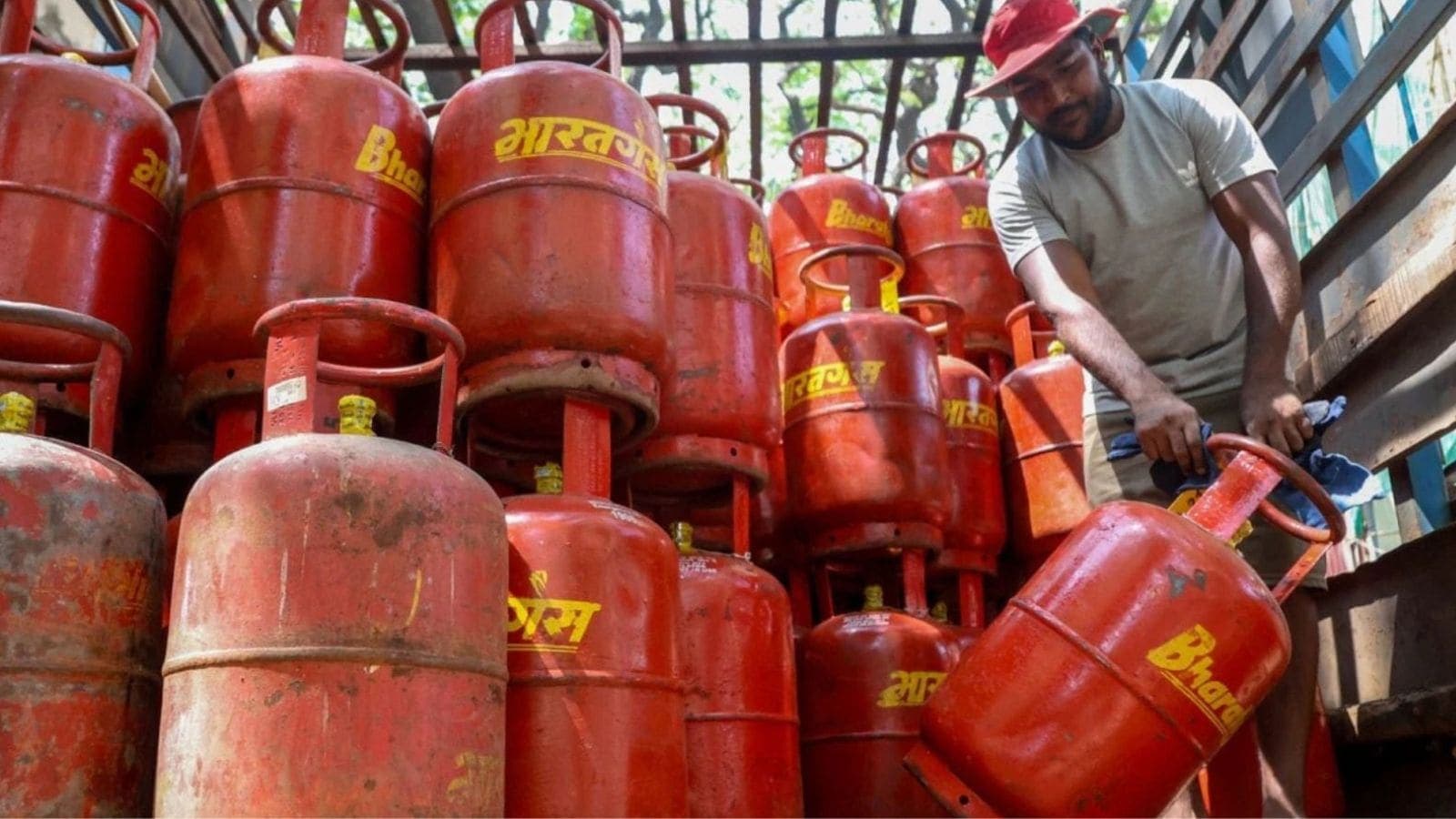
Commercial LPG prices have risen again, with increases of ₹42 in Delhi and ₹53.50 in Kolkata impacting businesses and consumers alike. Find out more.
Indian Express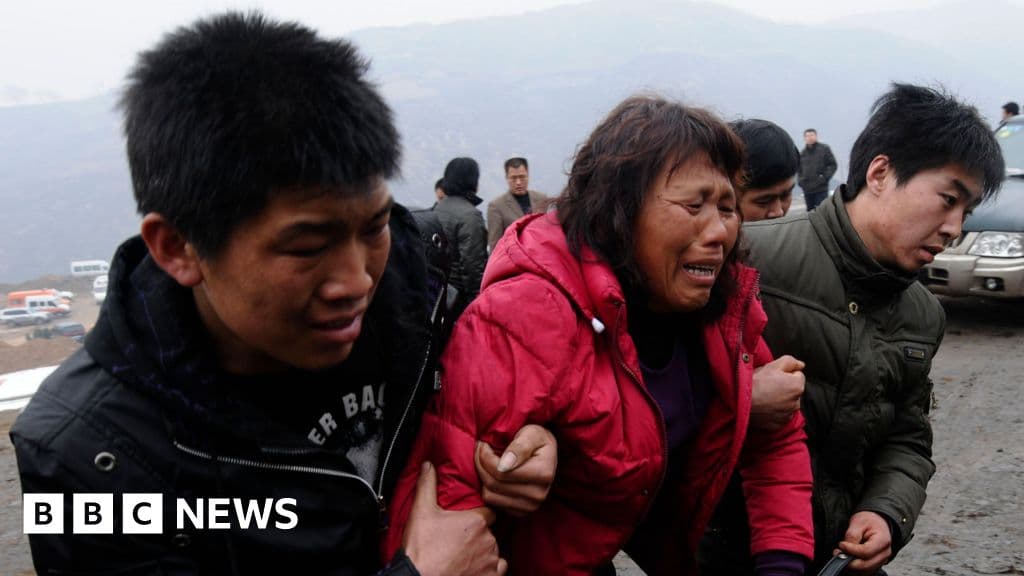
Discover how a tragic coal mine explosion in Shanxi, China, reveals ongoing safety concerns in the industry amidst a push for green energy.
BBC Business
Montek Singh Ahluwalia highlights key economic challenges for India, emphasizing the need for a strategic approach to balance payments and investment.
Indian Express