
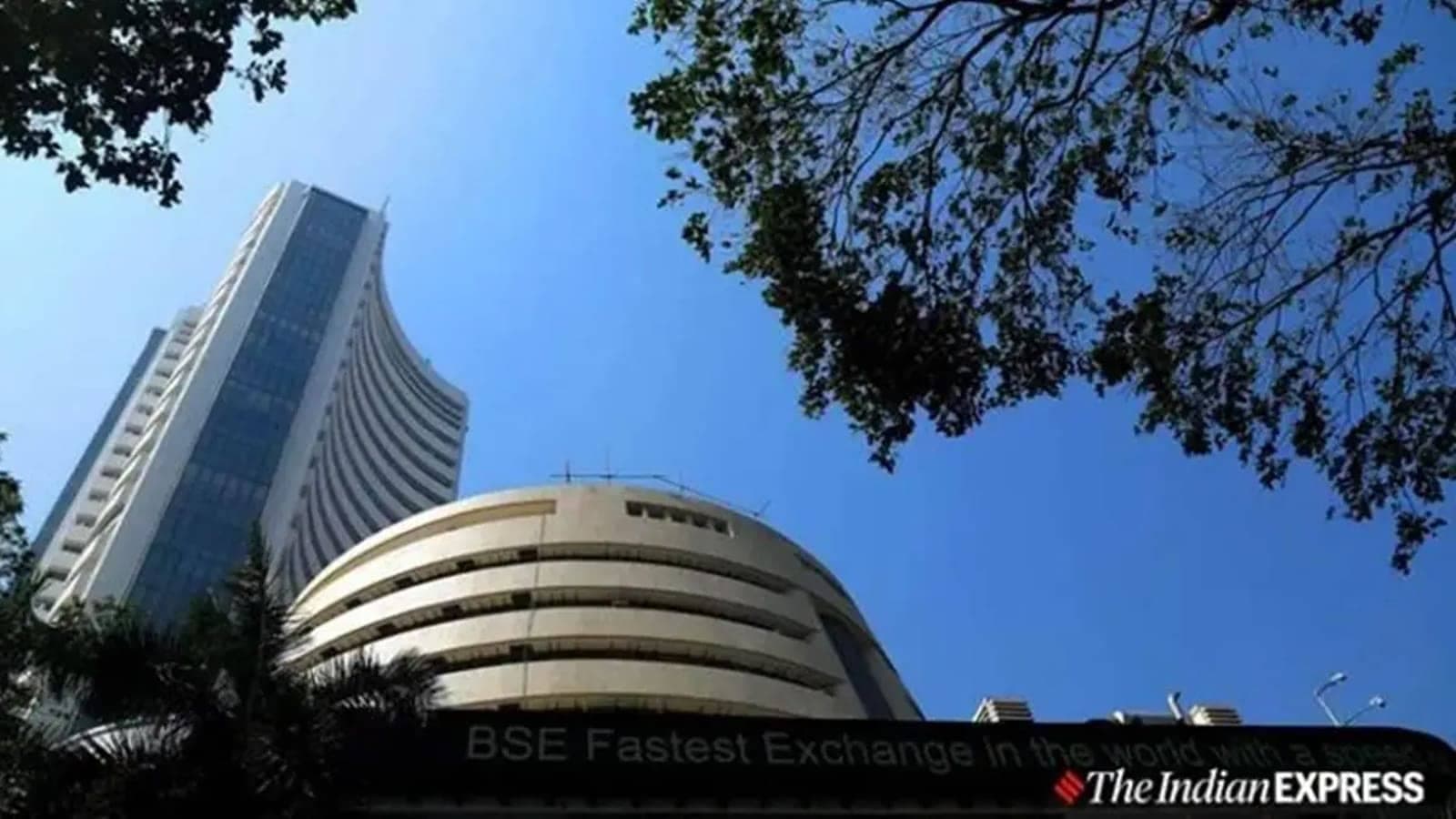
Image: Indian Express
Indian stocks surged over 3% amid US-Iran ceasefire news. What does this mean for the market and upcoming RBI rate decisions? Find out now.
GlipzoIndian stock markets experienced a significant boost on Wednesday, with indexes rising by over 3%. This surge comes in the wake of a two-week ceasefire agreement reached between the United States and Iran, which has sparked optimism among investors.
The BSE Sensex saw an impressive increase, climbing 2,700 points to reach 77,325.58. Meanwhile, the NSE Nifty 50 also demonstrated strong performance, jumping nearly 800 points to settle at 23,922. This rally is indicative of a broader global trend, where markets are reacting positively to geopolitical stability and falling oil prices.
The agreement between the US and Iran has not only calmed tensions in the Middle East but has also led to a notable decline in crude oil prices. Lower oil prices generally ease inflation concerns, which is a crucial factor for economies like India that are heavily reliant on oil imports. Investors are hopeful that this ceasefire may pave the way for further negotiations and stability in the region.
This market behavior is reflective of investor psychology; when geopolitical risks diminish, markets tend to react favorably. The correlation between global events and local market performance is becoming increasingly significant in today’s interconnected financial landscape.
Amidst this market optimism, all eyes are now on the Reserve Bank of India’s upcoming Monetary Policy Committee (MPC) meeting. Scheduled to convene shortly, the MPC is widely expected to maintain its current interest rates. This decision comes as officials evaluate the ongoing impacts of the Iran conflict on the Indian economy.
The consensus among economists suggests that keeping interest rates stable would be a prudent approach in light of recent global developments. The RBI's focus will likely be on monitoring inflation trends, currency stability, and overall economic growth. A stable interest rate can further encourage market confidence and investment.
The developments surrounding the US-Iran ceasefire and the anticipated RBI interest rate decision are pivotal for several reasons:
1. Investor Confidence: A steady interest rate will likely bolster investor sentiment, encouraging more investments in equities and other financial instruments. 2. Inflation Control: With oil prices potentially stabilizing, inflationary pressures may ease, allowing for more robust economic growth. 3. Geopolitical Stability: The ceasefire may lead to a more stable geopolitical environment, which is crucial for attracting foreign investments.
This positive momentum in the Indian stock market underscores the interconnectedness of global events and local economic indicators. As investors digest the implications of the ceasefire, the focus will shift toward upcoming economic data and policy announcements.
As we move forward, market participants should keep an eye on several key indicators: - Further Developments in the US-Iran Situation: Any escalation or further agreements will influence market sentiment. - RBI's Policy Decision: The MPC’s stance on interest rates will be critical in shaping the economic outlook. - Global Economic Indicators: Watch for trends in inflation, oil prices, and other macroeconomic factors that could impact the Indian economy.
In conclusion, while the stock market's immediate response to the ceasefire is promising, the long-term outlook will depend on a series of unfolding events both domestically and internationally. Investors are encouraged to remain informed and agile as they navigate this dynamic landscape.

Commercial LPG prices have risen again, with increases of ₹42 in Delhi and ₹53.50 in Kolkata impacting businesses and consumers alike. Find out more.
Indian Express
Discover how a tragic coal mine explosion in Shanxi, China, reveals ongoing safety concerns in the industry amidst a push for green energy.
BBC Business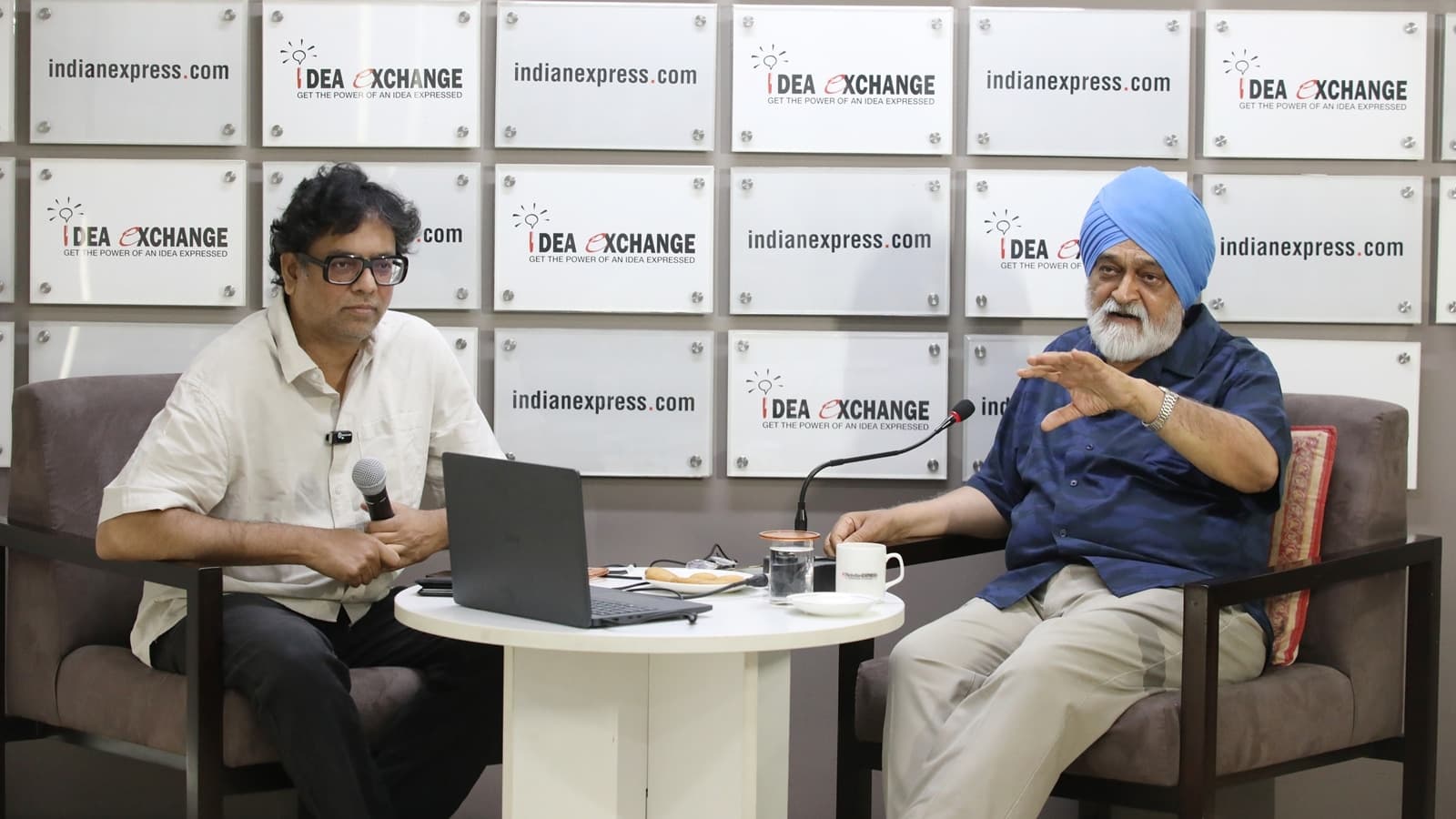
Montek Singh Ahluwalia highlights key economic challenges for India, emphasizing the need for a strategic approach to balance payments and investment.
Indian Express